Disclosure: This post contains affiliate links, meaning, at no additional cost to you, we will earn a small commission if you click through and make a purchase. Learn more
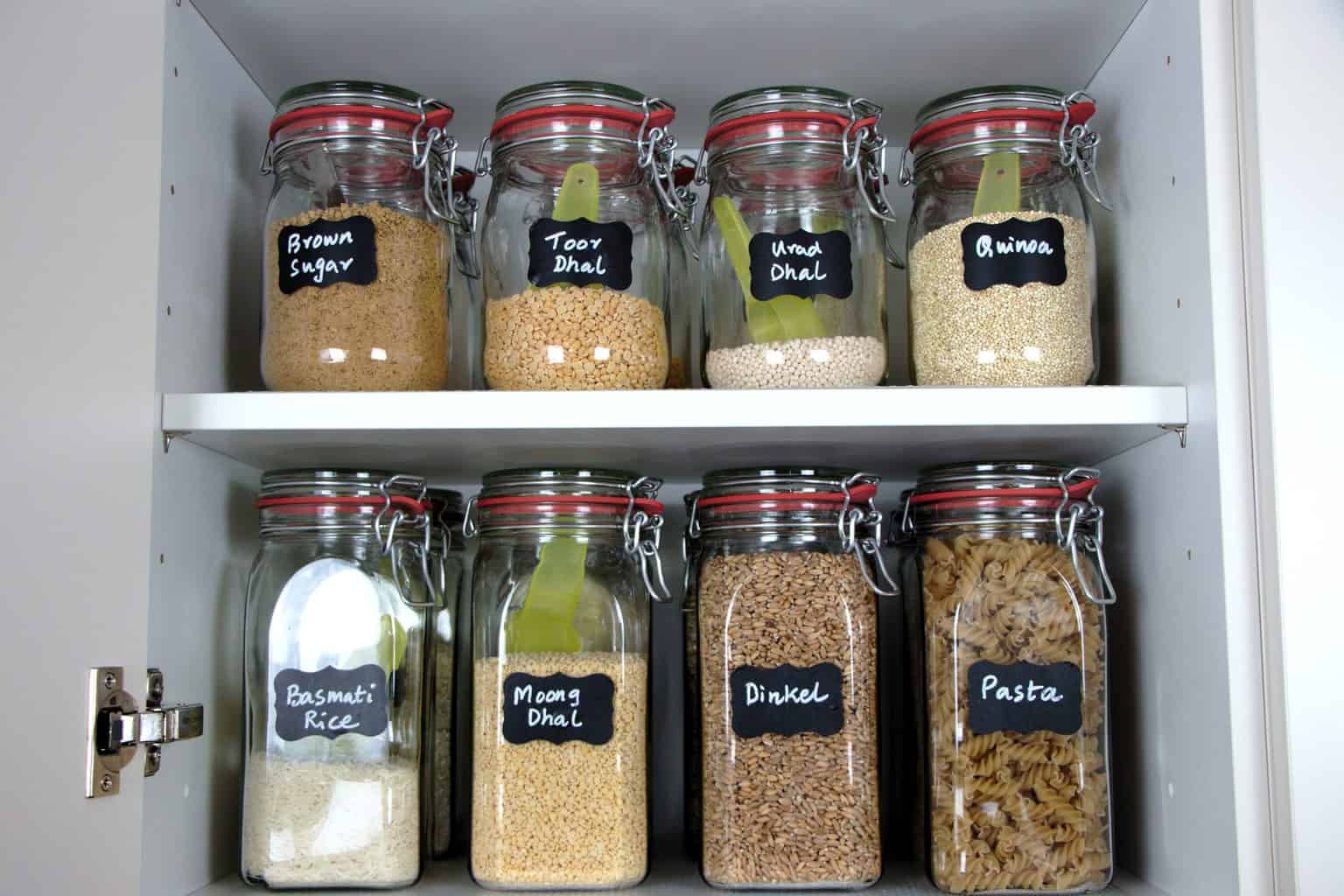
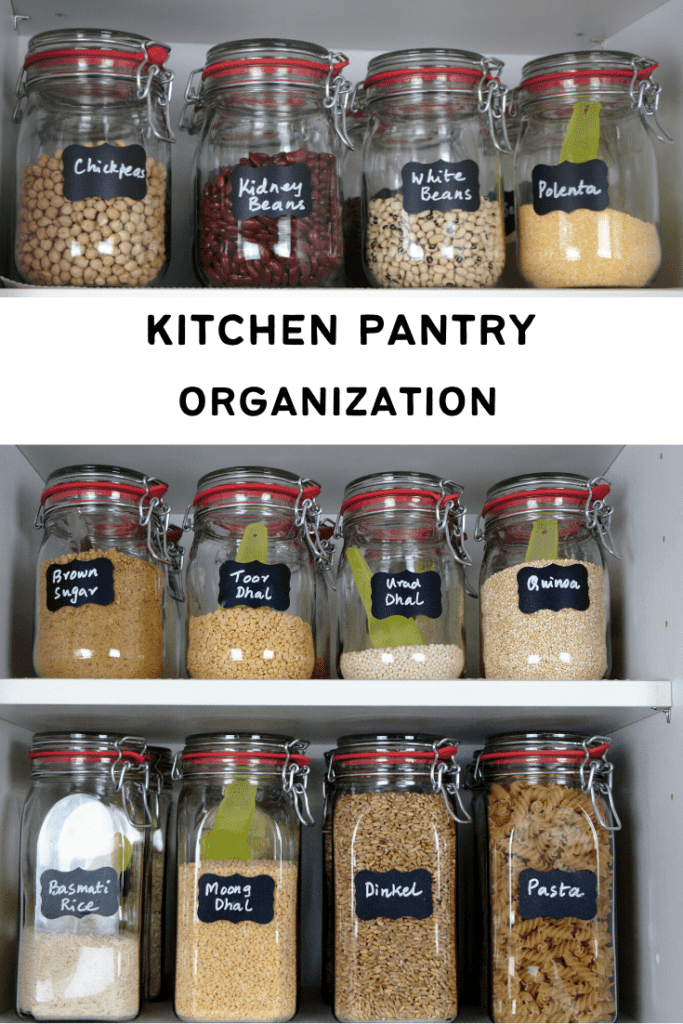
This pantry got reorganized with canning jars during spring cleaning — a switch back from Tupperware, mostly just to try something different and see how it worked out.
A well organized pantry is a game changer for any kitchen. During this year’s round of spring cleaning, pantry organization got revamped with canning jars. It was time for a change anyway, so why not do it while spring cleaning was already underway.
It’s all too easy for a pantry to collect clutter along with forgotten, expired groceries. An effective pantry organization system is really the key to zero food waste and well-planned cooking. An earlier post on pantry organization with Tupperware is one of the most-read posts on the blog, sharing the original reasons behind switching to Tupperware containers in the first place.
Table of Contents
Why Canning Jars?
Canning jars from Arc had already been in use in this pantry for a decade before, so it was a natural choice to return to. This time, the jars came from a German manufacturer via Amazon, at a competitive price — a better fit than the ones available at IKEA.
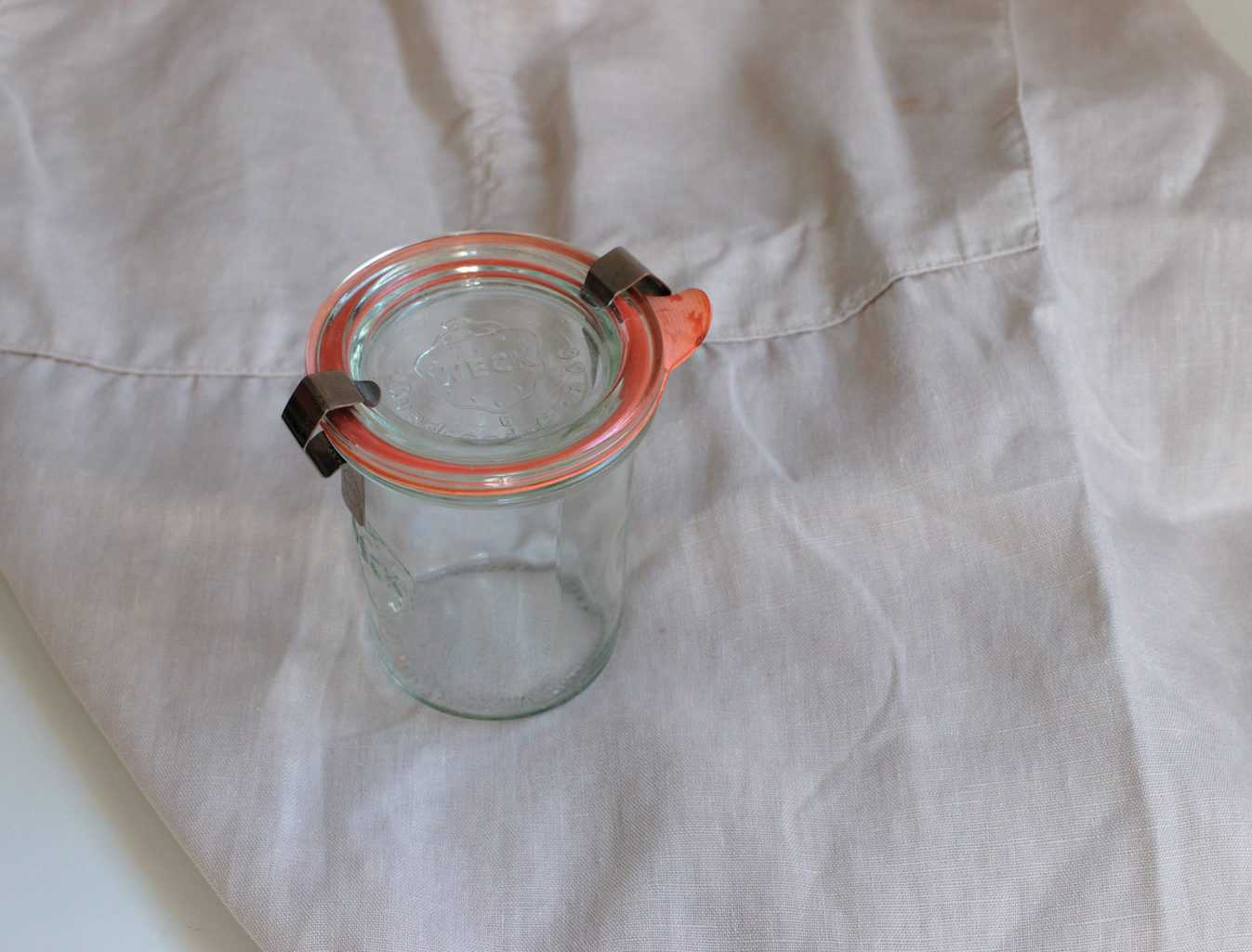
Weck canning jars were considered too, but their 2-clip design makes them more complicated for daily use, and a few lids have broken over the years. A handful of Weck jars are still kept around for making syrups and jams, and for storing small things in the fridge, since opening them multiple times a day just isn’t practical.
Where to Get the Jars
Disclosure: This post contains affiliate links, meaning, at no additional cost to you, we will earn a small commission if you click through and make a purchase. Learn more
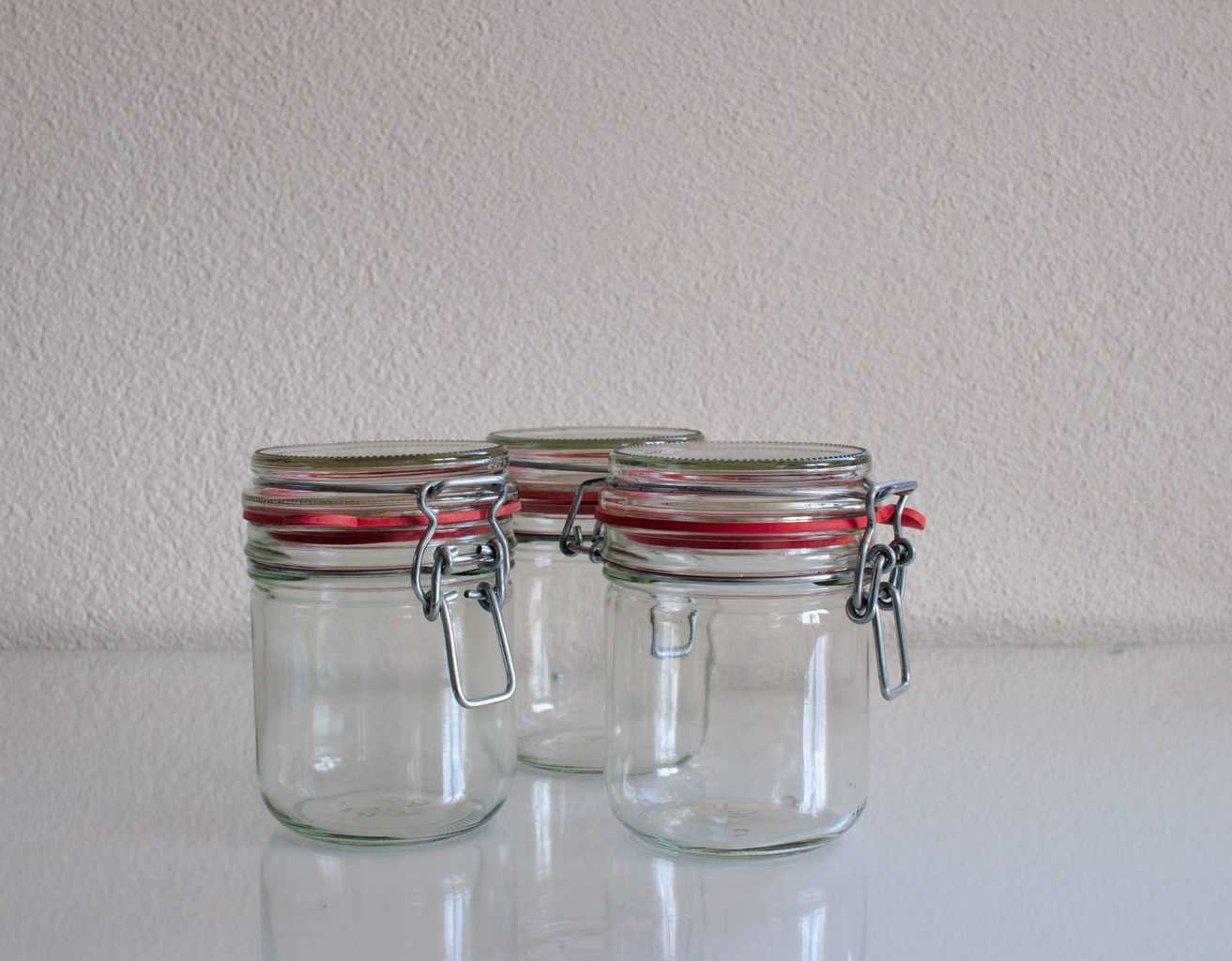
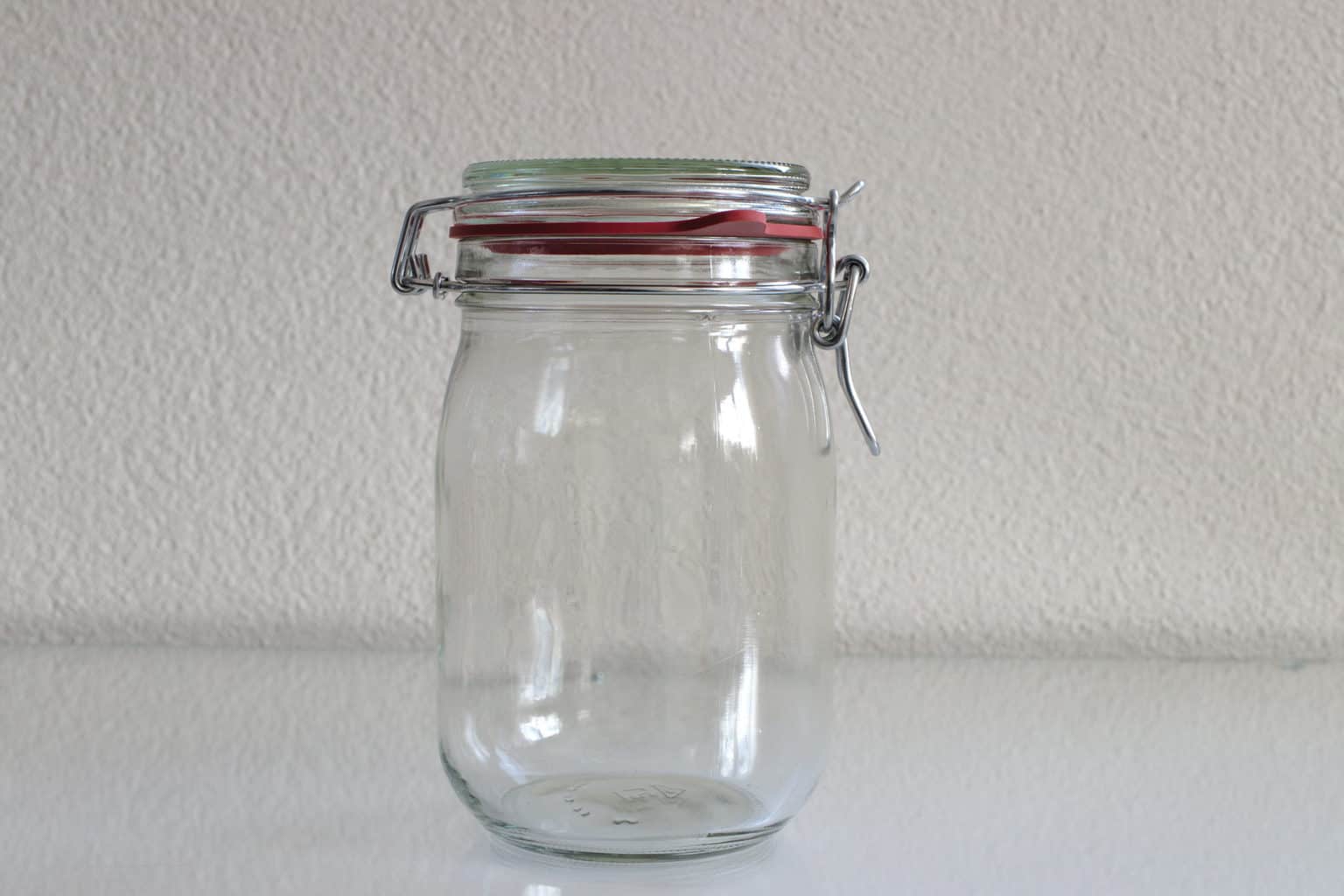
Clear glass makes it easy to see what’s inside at a glance — one of the main reasons Weck jars, with their fiddly 2-clip design, didn’t win out this time around.
Air-Tight Sealing:
The wired clip and gasket seal is genuinely tight, making these jars ideal for both wet and dry ingredients, and keeping bugs and other unwanted visitors out of the food. Replacement gaskets are easy to find too, since most brands sell them in a fairly standard size.
Dishwasher Safe:
Being a big fan of the dishwasher (and no fan at all of washing pots and pans by hand), glass jars are a welcome relief — aside from cast iron and wooden utensils, everything else goes straight in. The one small catch is removing the gasket and wire seal before loading the jars in. Tupperware, by contrast, always got washed by hand here, to avoid heat affecting the plastic, even though it’s technically dishwasher safe and BPA-free.
Budget Friendly:
Glass canning jars cost roughly a fifth of a regular Tupperware container. Tupperware needed replacing fairly often too, whenever pieces got scratched, which added up. A few pieces are still kept around for overflow storage, but most of the switch was made with cost in mind.
Ecological and Easy to Recycle:
Glass recycles easily and doesn’t leach chemicals into food. Just be sure to choose non-leaded glass for anything meant for food storage.
Multi-Purpose Use:
Canning jars handle both wet and dry storage well — pickling, liquids, dry goods, and various DIY projects all make use of them here.
The Downsides of Glass Jars
Canning jars aren’t perfect. A few things worth knowing:
Bulky and breakable: glass takes more care than plastic. More jars needed: it takes more jars to store the same quantity of food compared to Tupperware. More pantry space: glass jars simply take up more room. Can’t be stacked: unlike Tupperware, these don’t stack.
Even with those downsides, canning jars still tick a lot of boxes — and Tupperware hasn’t been fully phased out here, kept around for practical reasons.
Tips for Pantry Organization with Canning Jars
Group by how you actually cook: organize food items based on personal habits rather than copying someone else’s system from the internet — whatever gets cooked most often should stay within easy reach. Maintain a system: since glass jars can’t be stacked, occasional-use items go toward the back and frequently used ones toward the front, with bigger jars behind smaller ones. Same-item overflow can go behind the first jar in use. Schedule a check-in: a cleaning routine every 3 months helps keep the system working and catches anything that’s expired. Label if it helps: not strictly necessary since glass is clear, but labeling adds uniformity — a cut-out expiry date dropped into the jar, or a sharpie note on the glass, both work well.
Sourcing the Jars
All the canning jars from the previous pantry organization system were given away at the time, so new ones had to be sourced again in different sizes. The smallest jars pictured are upcycled honey jars, so no new purchase was needed there. For the rest, about 50 canning jars across 2 sizes were ordered. Since this isn’t a minimalist kitchen — everything gets cooked from scratch — nearly all of them found a use, aside from a couple that ended up in the cellar for long-term storage.
Have some feedback you’d like to share? Leave a note in the comment section below! Thank you so much for visiting Vital Fair Living – we’re so happy you’re here! and thanks for taking the time to read this post. I would love it if you can share this post using the social media buttons.
Frequently Asked Questions
Are Canning Jars Dishwasher Safe?
Yes, the glass itself is dishwasher safe — just remove the gasket and wire seal first before loading the jars in.
Why Not Use Weck Jars Instead?
Weck jars have a 2-clip design that’s more complicated for daily use, and a few lids have broken over time. They’re still used here for syrups, jams, and small fridge storage, just not for everyday pantry use.
How Often Should You Check a Pantry for Expired Food?
About once every 3 months works well as a regular check-in to catch anything that’s expired and keep the system running smoothly.