7 Tips to cook from scratch without meal planning
Disclosure: This post contains affiliate links, meaning, at no additional cost to you, we will earn a small commission if you click through and make a purchase. Learn more
- Home
- Home & DIY
- Budgeting
- 7 Tips to cook from scratch without meal planning
These 7 tips for cooking from scratch without meal planning come from growing up with a mother who never needed a menu — just fresh ingredients, good habits, and a well-stocked pantry.
Cooking from scratch comes naturally to many, myself included. Growing up with a stay-at-home mom, this is simply what I grew up with. In this post, I’ll share my 7 tips to cook any meal from scratch without meal planning.
Eating healthy, home-cooked wholesome meals every day can feel daunting for some, which is why many turn to meal plan apps to solve it. Nothing wrong with that approach — but for me, it’s all too complicated, since it usually means an extra shopping trip for supplies some recipe calls for. I want meals to stay simple, so I usually rustle something up from the pantry without any planning at all, saving complicated menus for special days.
Table of Contents
Learning by Example
A talented mother was a role model growing up — an excellent cook among other things, who cooked every meal from scratch without any big fanfare or meal planning. Growing up in India a few decades back, there were no ready-to-eat meals, junk food, or even big supermarkets. Groceries came from local mom-and-pop stores, with fresh vegetables from the farmers market — visited 3 times a week. Fresh vegetables were also easily available at the door from street vendors.
A fridge was unnecessary in that world, especially with constant long power cuts making one impractical anyway. My father was also a strong advocate of healthy eating — he disliked leftovers and food reheated from the fridge, so everything got eaten within 2 hours of cooking. With no fridge, nothing was ever wasted or kept for the next meal. Food tastes best and freshest this way, and it’s easier on digestion too — old, reheated food can take a real toll on that.
Flexibility to Cook Without Meal Planning
Since meal planning is stressful, a menu plan has simply never been made — this allows a lot of flexibility to cook at the spur of the moment. A daughter, at age 7, once drew up a plan to follow, but it couldn’t be stuck to, since it was a rather one-sided plan — just pasta, french fries, and pizza. It got scrapped, with the thought that maybe she’ll try again someday with healthier choices.
Cooking follows the season and what’s available. Food shopping means buying what’s on offer to reduce the grocery bill — since the diet here is organic, there’s no interest in buying unnecessary things that would never get used. Buying seasonal and local is simply cheaper. An earlier post on eating organic on a budget covers more on this.
7 Tips to Cook from Scratch Without Meal Planning
Supplies List
- 1. Cook seasonal foods
- 2. Prep a little ahead
- 3. Soak beans overnight
- 4. Keep easy cooking staples on hand
- 5. Keep the fridge stocked with sides
- 6. Stock up on healthy snack staples
- 7. Keep meals simple
Instructions
1. Cook Seasonal Foods:
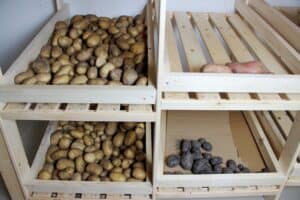
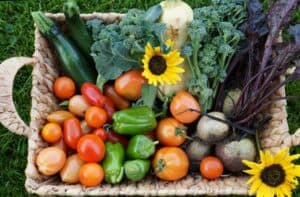
Since gardening began, relying on what nature and the garden provide has become the real secret. For winter months, a good stock of pumpkins, potatoes, and onions sits in the cellar, enabling easy recipes like soups and baked vegetables. Surplus produce gets preserved by canning for winter too. The freezer stays minimal by choice — just nuts, some frozen peas, cut coconut, and a little frozen berries.
2. Prep a Little Ahead:
This isn’t about planning meals — it’s about being a fan of fermented foods. Yogurt and idli batter, or other fermented batters, are usually stocked in the fridge at any given time. With a fermented idli batter, idli can be made for breakfast or even dinner — high in protein and light to digest. The same batter also makes South Indian savory pancakes called dosas. A little preparation goes a long way — sauerkraut and fermented sauces kept on hand can bulk up any meal, add flavor to bland ones, and are good for gut health too. Extra bread also makes it easy to rustle up a sandwich in between.
3. Soak Beans Overnight:
As vegetarians, whole beans and pulses are a regular part of the diet. For dinner, cooked beans get served with bread and soup — a strategy that doesn’t require much active cooking. Beans usually get soaked overnight with a little baking soda, with the water changed a couple of times during the day, then cooked and served with vinegar and olive oil. It’s difficult to get a daughter to eat vegetables, but this way she at least gets some vegetable protein in her diet. These soaked beans often get cooked while lunch is being made, sorting out dinner too — extra can be cooked and refrigerated for another meal, turned into a spicy soup served with rice, or added to a no-cook salad with onions, tomatoes, carrots, and cheese. Pre-cut and pre-cooked vegetables generally aren’t used here — freshly cut is preferred — but pre-cooked beans are fine to store for a couple of days.
4. Keep Easy Cooking Staples on Hand:
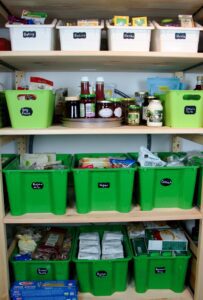
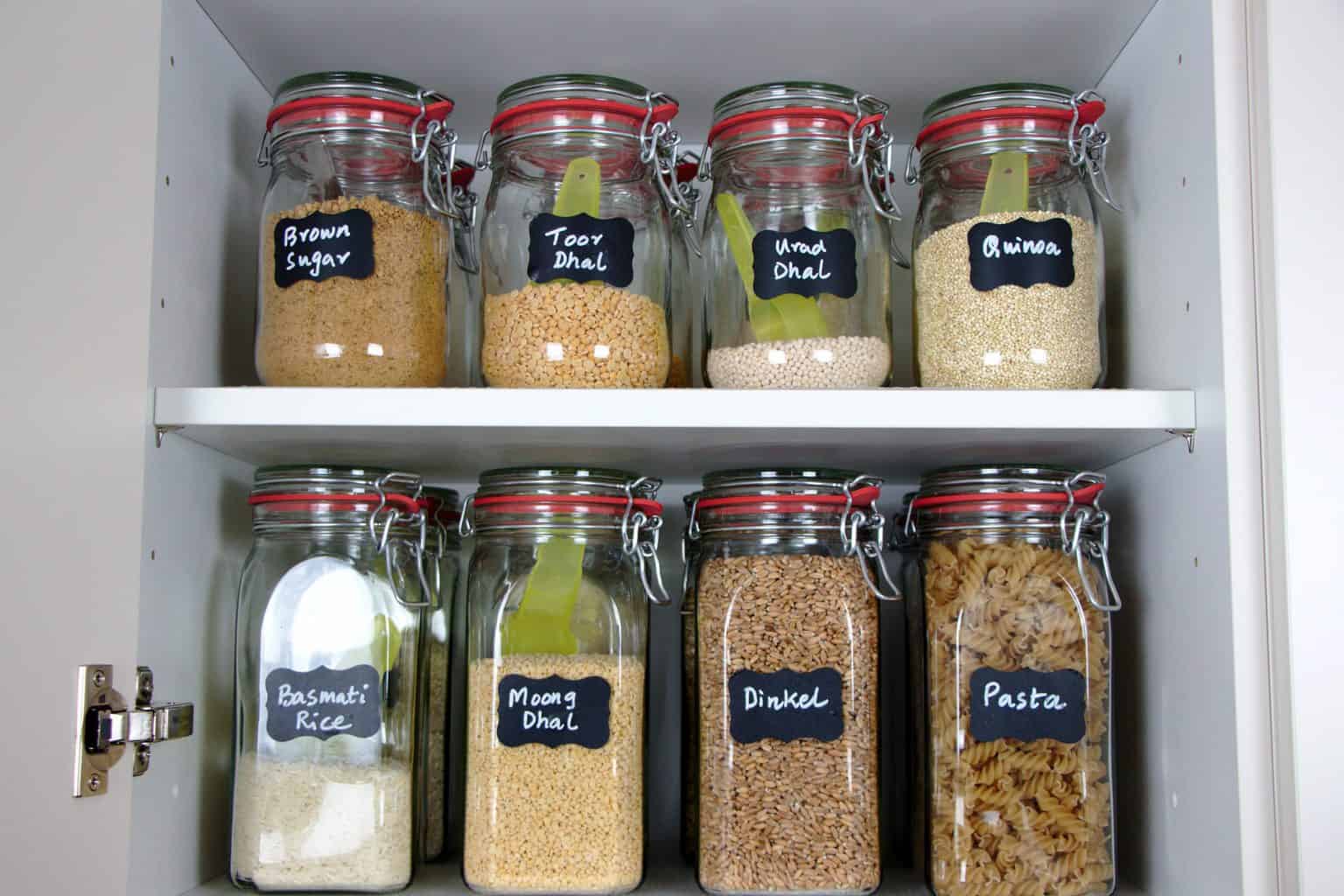
A well-stocked pantry solves most problems. Some things can be cooked within 30 minutes — pasta, quinoa, and sometimes canned beans among the favorites. Kitchari, a one-pot dish made with rice, mung dhal, carrots, and ginger, is one of the easiest — cooked in a pressure cooker with seasoning added at the end, done in 15 minutes start to finish, and served with cut lemons, homemade pickles, and yogurt. It’s considered one of the best wholesome meals in Ayurveda, with the added bonus of less washing up. Other easy preps include rosti, made even without pre-cooked potatoes, and baked sweet potatoes. Potatoes, onions, and ginger are staples in the vegetable storage rack, making it easy to put together healthy options with a little creativity.
5. Keep the Fridge Stocked with Sides:
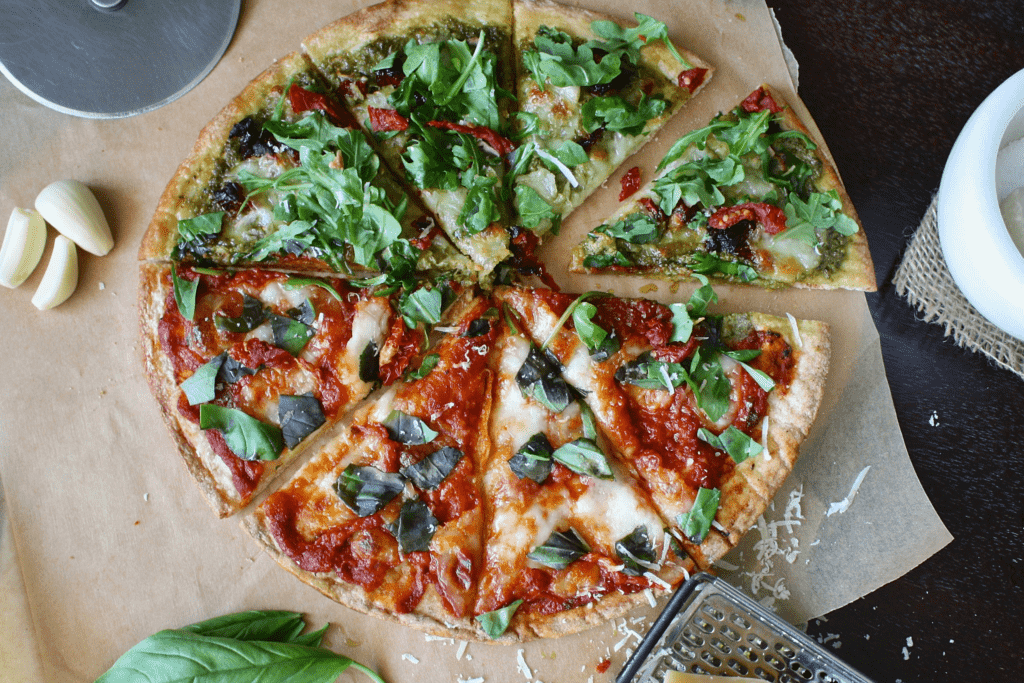
At any given time, the fridge holds apples, carrots, lemons, yogurt, cheese, butter, milk, homemade jam, sauerkraut, homemade pesto sauce, and other seasonal fruits. Carrots are easy to chop and eat raw, apples make a nice snack, and seasonal fruits like strawberries and cherries last a couple of days in the fridge. Smoothies come together easily with fresh or frozen berries and a little yogurt — a daughter now makes her own. Muesli with homemade yogurt, fresh or dry fruits, and frozen berries is a favorite in this Swiss household too. Avocados are another option, though expensive in Switzerland and often a gamble — half of them can turn out rotten, so they’re only bought on offer. Homemade bread is always in the bread bin, so a little butter, cheese, or jam makes a quick snack — a daughter has even figured out how to make a quick pizza by smearing tomato paste and cheese on bread and baking it.
6. Stock Up on Healthy Snack Staples:
The pantry stays stocked with dry fruits, nuts, muesli, and oats — always on hand for snacking. A quick semolina porridge with some dry fruits makes a filling option too. During the holidays, there’s a good stock of cookies, and granola bars get made when there’s time. Bananas are a favorite — probably the one fruit that’s always on hand.
7. Keep Meals Simple:
Even for an experienced cook, the most important tip is to keep meals simple — it’s easier and quicker too. Sticking to wholesome meals that don’t require planning works well: soups made with whatever’s in the fridge, using up odd vegetables before they go to waste, pasta, stir-fried vegetables in a wok, pre-soaked and cooked beans, or a one-pot lentil soup. Spicing food differently each meal keeps things from getting boring, helped along by a well-stocked spice cabinet. Oats on hand are handy for a quick porridge if there’s no bread, and muesli with yogurt and fresh or frozen fruit makes a wholesome breakfast. Lengthier, more special meals get saved for weekends when there’s more time.
What’s Always in the Fridge
For more on what’s kept stocked and how it’s organized, the fridge organization post covers exactly what goes in the fridge day to day.
A Few Closing Tips
Keep a variety of spice mixes ready: spicing food differently each meal keeps things from getting boring, even when cooking the same base ingredients often.
Save special meals for weekends: lengthier, more involved dishes are easier to manage when there’s more time to spare.
Don’t fight your own habits: if meal planning feels stressful, a well-stocked pantry and fridge can replace it entirely.
Watch the Video
Your feedback is valuable
Did you like this post on tips to cook from scratch without meal planning? Are you a meal planner? Do you have tips? Leave me a comment, I’d really love to know! Thank you so much for visiting Vital Fair Living – we’re so happy you’re here! Thanks for taking the time to read this post.
Frequently Asked Questions
Soaking overnight with a little baking soda, and changing the water a couple of times, makes the beans easier to cook and digest — they’re then simply cooked and served with vinegar and olive oil.
It’s a one-pot dish of rice, mung dhal, carrots, and ginger, cooked start to finish in about 15 minutes in a pressure cooker — considered one of the most wholesome meals in Ayurveda, with the bonus of less washing up.
Relying too much on the freezer isn’t the preferred approach here — it’s kept mostly to nuts, some frozen peas, cut coconut, and a little frozen berries, leaning instead on seasonal, fresh, and pantry-stored food.