Top Reasons to Store Heirloom Seeds
Disclosure: This post contains affiliate links, meaning, at no additional cost to you, we will earn a small commission if you click through and make a purchase. Learn more
Food self-sufficiency alone is reason enough to store heirloom seeds — but there are quite a few more reasons worth knowing, turbulent times or not.
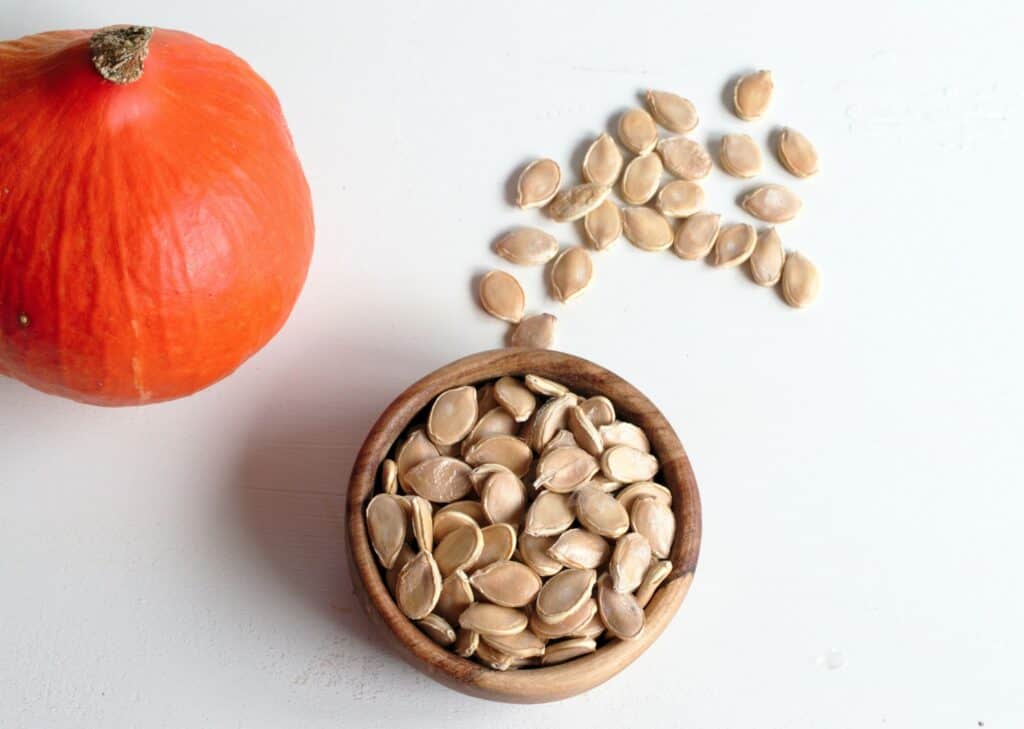
During turbulent times, it pays to have some food self-sufficiency — that alone should be one of the top reasons to store heirloom seeds. There’s certainly more than one reason to do it though, and these hold true for any time, not just the current global situation.
Table of Contents
What Are Heirloom Seeds?
The art of storing vegetables, roots, and heirloom seeds has kept ancestors and whole communities fed and nourished for centuries. Proper seed and vegetable storage is what keeps quality and breed intact for next year’s planting, and for future generations.
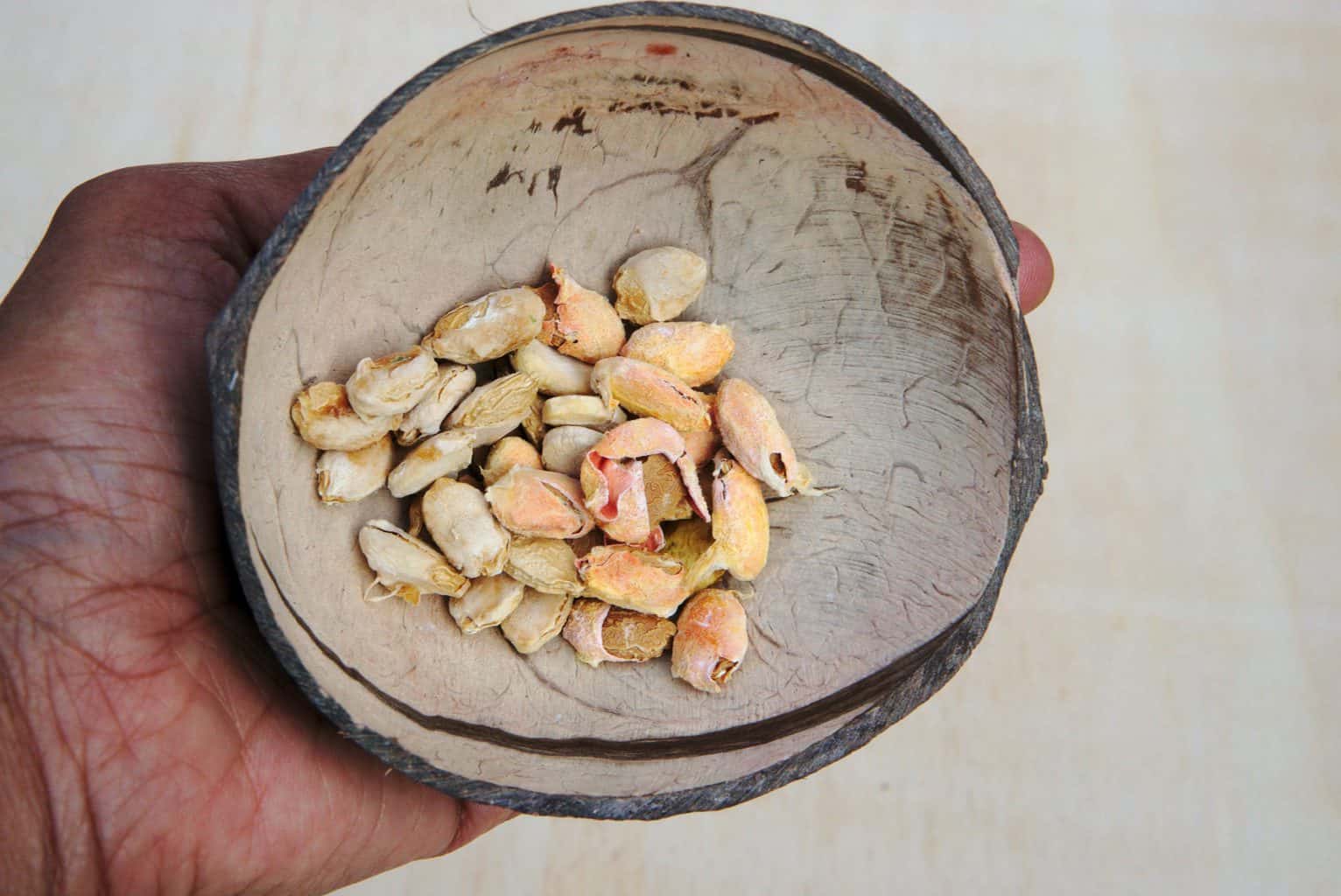
Heirloom seeds are the seeds of purebred plants — uncrossed and uncontaminated by other seed varieties.
A Growing Collection
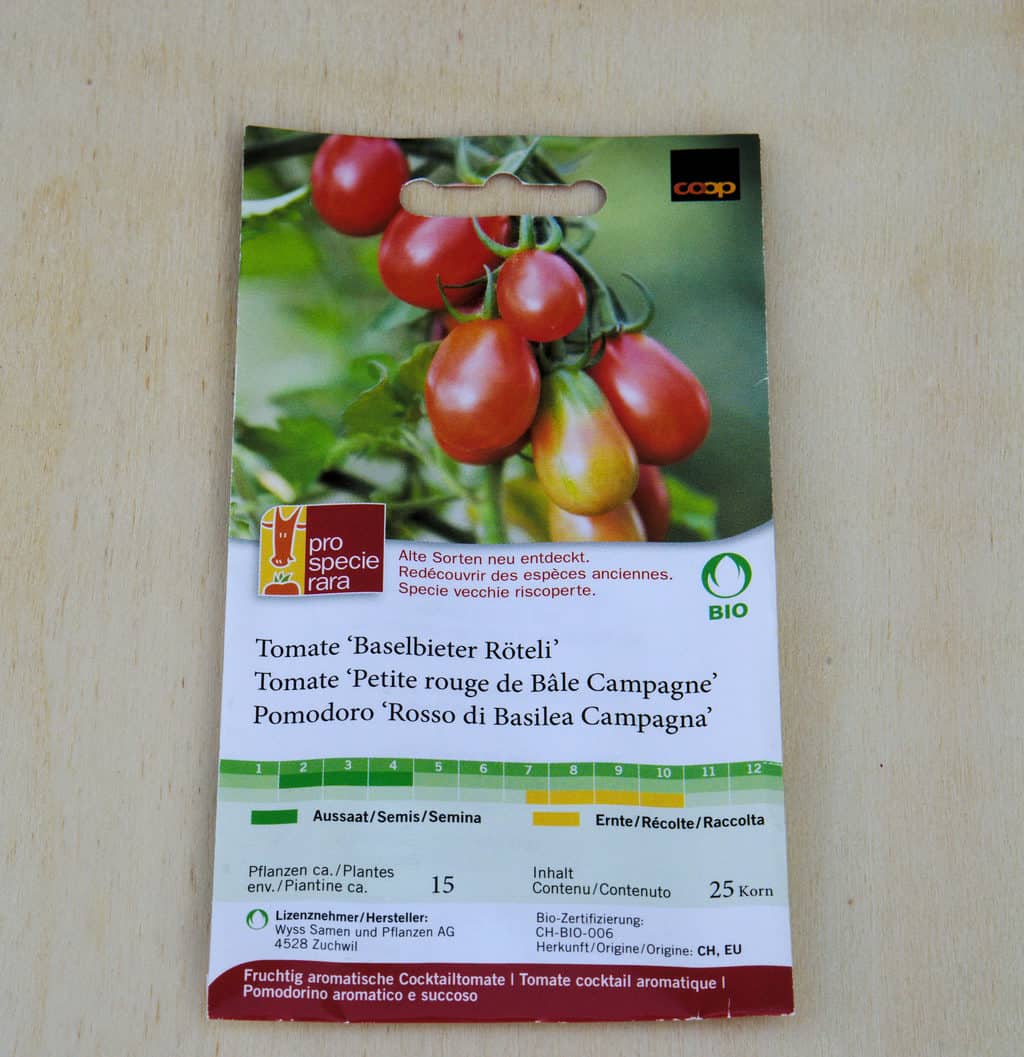
Recent years have seen a real revival of rare seed varieties in Switzerland, thanks to a trust called Pro Specie Rara. Cultivating a number of these rare varieties has become something of a passion here, with the collection steadily growing after each harvest.
Top Reasons to Store Heirloom Seeds
Supplies List
- 1. Save money
- 2. Better acclimatized to your soil
- 3. Emergency food security
- 4. Start your own seed bank
- 5. Self-reliance
- 6. Learn crop rotation
- 7. Open pollination
- 8. More nutritious produce
- 9. Exceptional taste
Instructions
1. To Save Money:
Seed and seedling costs can easily run into the hundreds when looking for good quality heirloom and organic varieties. A fair amount has been invested in seeds over the years, but planting as many heirlooms as possible over the last couple of seasons has helped keep costs down.
2. Heirloom Plants Are Acclimatized to Your Soil:
Saving seeds from the best plants each year gradually improves them, making future seeds better adapted to local climate and soil conditions. Heirloom plants tend to thrive better in familiar soil than foreign seed does — this year, 90% of plants came from heirloom seed, and despite a cold summer, most of them did well.
3. Store Heirloom Seeds for Emergencies:
2020 was turbulent in more ways than one. Being aware of the economic uncertainty building up over the previous few years meant being reasonably well prepared for spring planting, thanks to a seed collection built up over time. Inflation on basic necessities like food is a real concern too, and good quality seeds may become scarce or unavailable as prices rise — plenty of gardeners struggled to source the seeds they needed during 2020’s planting season. A heirloom seed collection made all the difference that year.
4. To Start Your Own Heirloom Seed Bank:
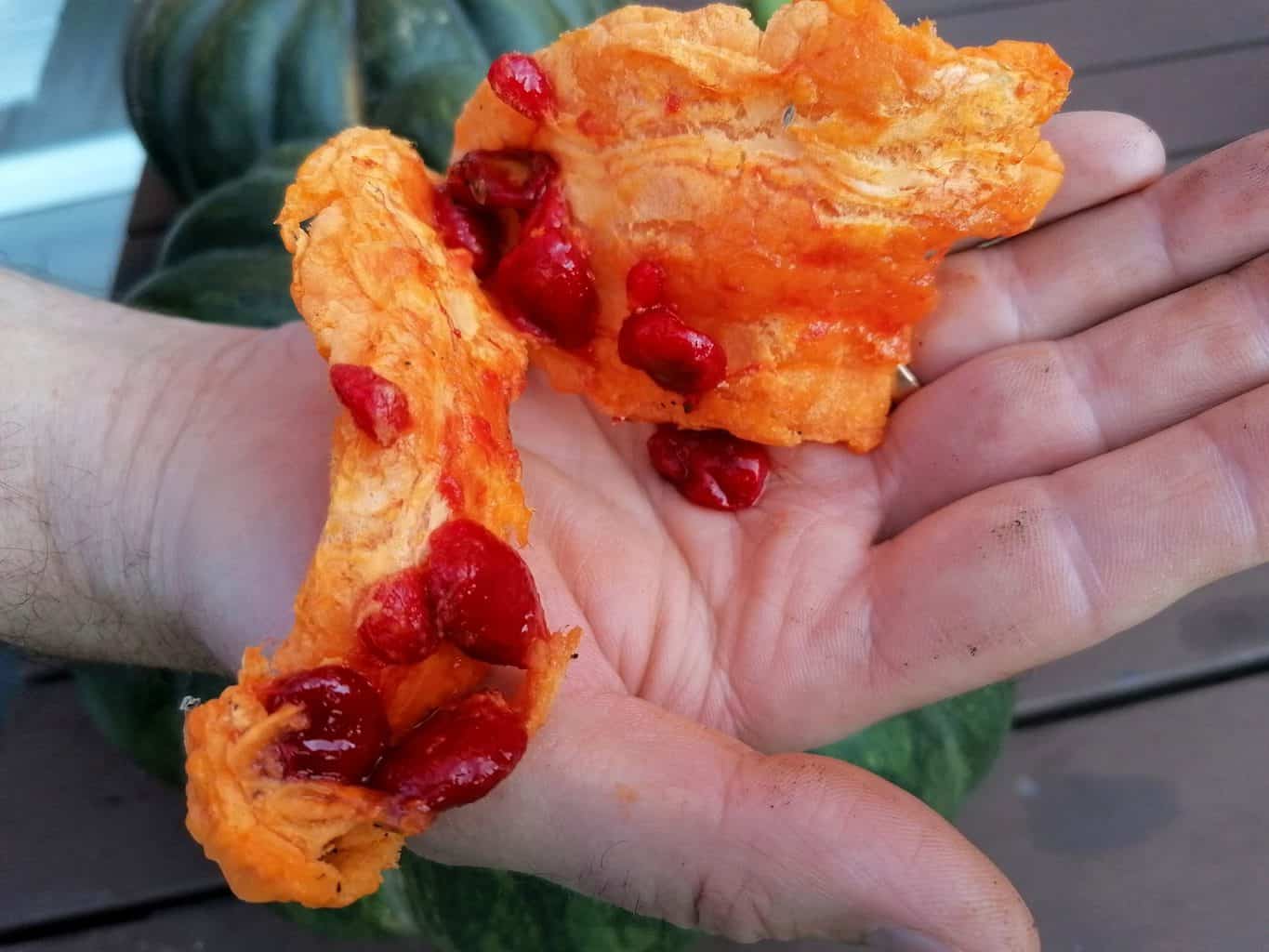
A seed bank works something like an insurance policy — a way to preserve native and heirloom seeds for later use, or in case of extinction or other unforeseen circumstances. Plenty of plant species go extinct each year due to pests, disease, and poor soil, and many familiar varieties have declined significantly over recent generations.
5. Store Heirloom Seeds for Self-Reliance:
Growing global reliance on food imports makes something as vital as food production feel risky to outsource to far-away places. Saving seeds to grow your own food brings a real measure of independence from external food security factors — and for a larger grower, it can mean feeding others locally too.
6. Learn About Nature and Crops:
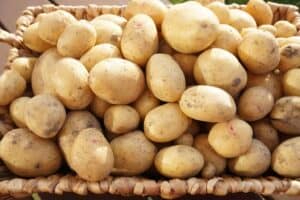
Gardening takes time and patience, and there’s something new to learn every year — crop rotation, caring for different plants, and which plants pair well together, among other things. Not every seed gets planted every season, so saving heirlooms makes it much easier to rotate crops properly. Potatoes, for instance, have taught a clear lesson here: they can’t go in the same patch year after year.
7. Heirloom Seeds Support Open Pollination:
Many gardeners prefer heirloom vegetables because they’re open-pollinated, meaning seeds saved from them can be replanted year after year and will produce the same plants grown centuries ago — hybrids don’t give the same results. A wide variety of seeds planted together also means more flowering plants throughout the garden. Most seeds are fairly easy to collect too.
8. Store Heirloom Seeds for Nutritious Produce:
Despite the commercial push toward higher yields and sturdier varieties, smaller home gardeners have been pushing back in favor of natural yields. Good quality, nutritious vegetables matter more here than perfect-looking but nutritionally thin commercial produce — and the extra care that goes into growing them adds to the taste too. Some research has suggested that many newer vegetable and grain varieties are meaningfully less nutritious than their heirloom counterparts.
9. Exceptional Taste from Heirloom Seeds:
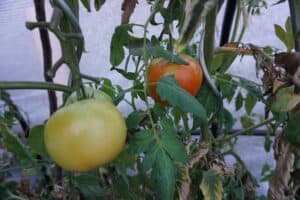
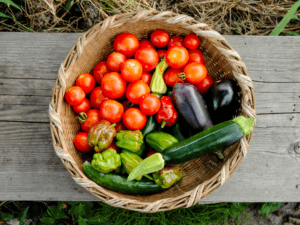
Modern hybrid cultivation methods have taken a toll on both taste and nutrition, with most produce picked unripe and ripened artificially afterward, losing much of its flavor in the process. Growing your own and picking it ripe, right off the plant, gives a far better result. Heirloom vegetables were never bred for shipping durability — home gardeners grow for their own table, not for toughness, and a sweet, juicy, genuinely tasty vegetable is worth far more than a tough one built to travel.
Collecting and Storing Seeds
Most seeds are fairly easy to collect and store once you know the basics — a topic detailed enough to deserve a dedicated post of its own down the line.
Tips for Saving Heirloom Seeds
Save from your best plants: selecting seeds from the strongest performers each year gradually improves how well future generations adapt to local conditions.
Rotate what you plant: not every seed needs planting every year — having a saved collection makes proper crop rotation much easier to manage.
Skip the hybrids if seed-saving matters to you: only open-pollinated heirloom varieties reliably reproduce true to type from saved seed.
Part of a No-Dig Approach
A no-dig approach has been part of the planting method here since 2020, alongside a heavy reliance on heirloom seed for that season’s garden.
More Related Reading
Related reading: how to grow and store potatoes, a good example of a crop that benefits from careful seed selection and rotation planning.
A Note on Nutrition
Newer vegetable and grain varieties have, in a number of studies, shown up as noticeably less nutritious than their heirloom counterparts — one more reason good seed stock is worth holding onto.
Watch the Video
Your feedback is valuable
Thank you for taking the time to read this post on the top reasons to store heirloom seeds. Leave a comment — I’d really love to know your thoughts! Thank you so much for visiting Vital Fair Living – we’re so happy you’re here!
Frequently Asked Questions
Heirloom seeds come from purebred plants — uncrossed and uncontaminated by other seed varieties, unlike hybrids.
Heirloom vegetables are open-pollinated, so seeds saved from them produce the same plant grown the year before — hybrids don’t give the same reliable result.
Some research suggests many newer vegetable and grain varieties are meaningfully less nutritious than their heirloom counterparts, which have been bred over generations for flavor and quality rather than just yield.