Disclosure: This post contains affiliate links, meaning, at no additional cost to you, we will earn a small commission if you click through and make a purchase. Learn more
Dropping temperatures and shorter days are already reshaping the garden — curry plants moved indoors, winter beds going in, and a fall harvest that’s turned out better than expected.
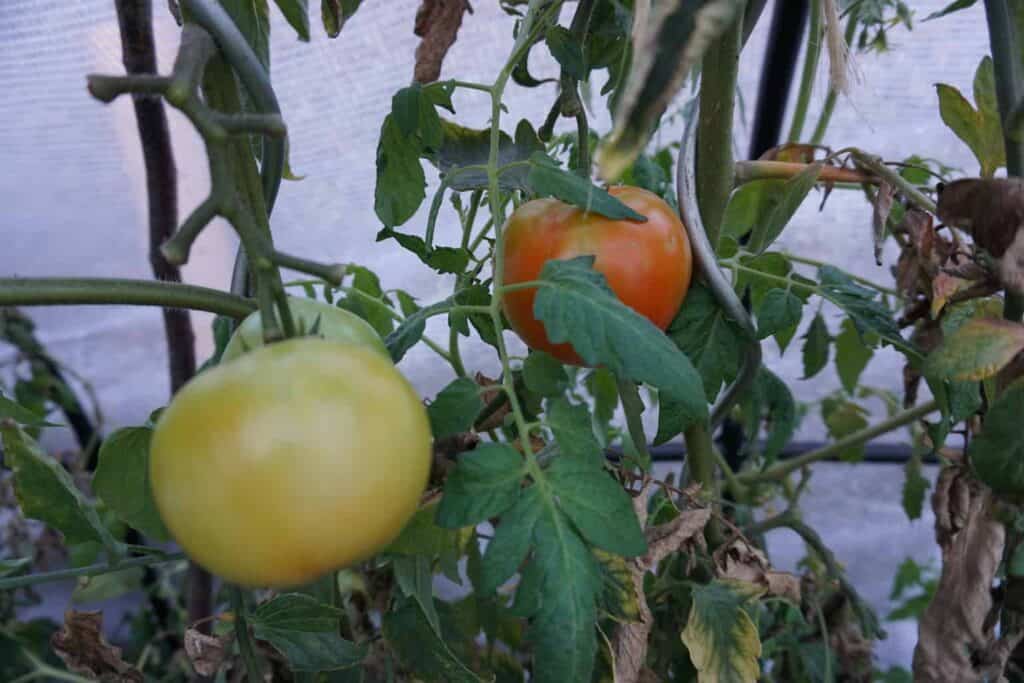
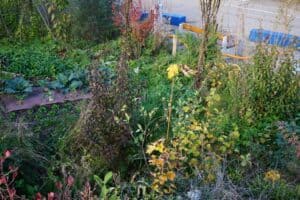
For the past two weeks, day and night temperatures have been dropping steadily. Fall is properly underway now, with temperatures down to as low as 3°C. The garden looks a lot different after getting used to almost tropical weather these past few weeks.
With cooler temperatures, not much new growth is coming from the summer vegetable plants, though some of that summer harvest is still coming in. The curry plants got brought indoors too, since they won’t survive below 5°C outside — they’ll stay housed under special lights until spring.
Table of Contents
Fall Garden Harvest So Far
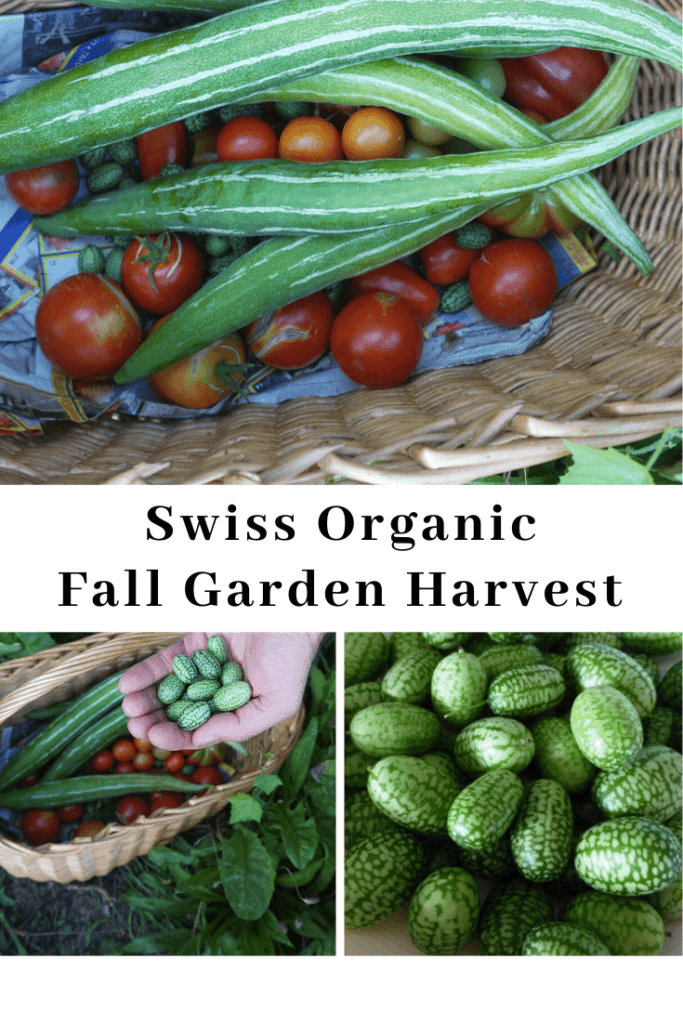
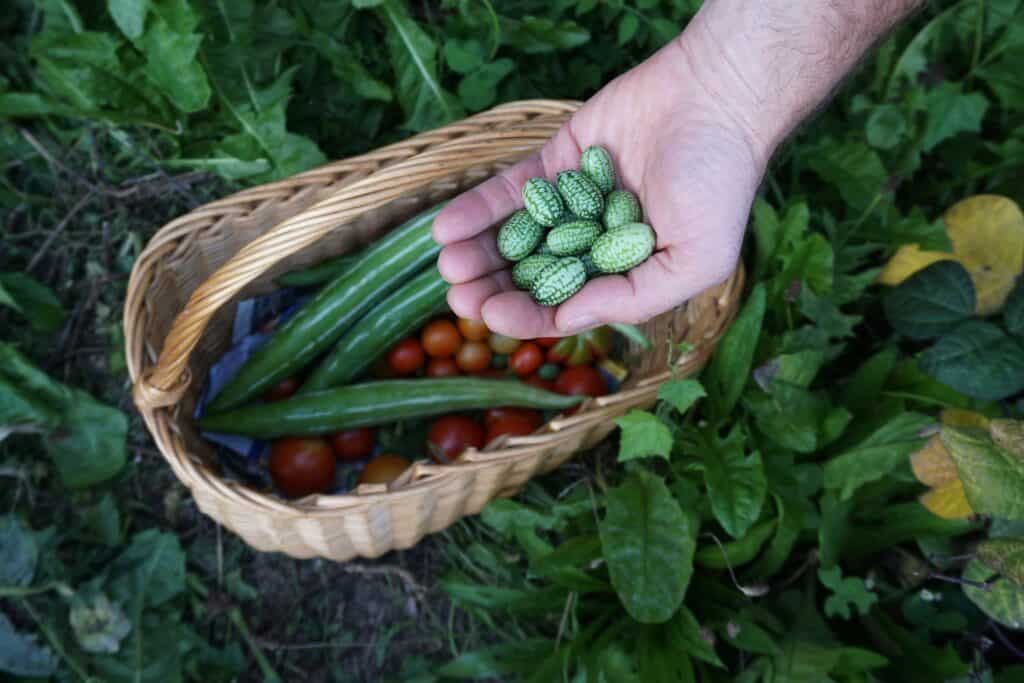
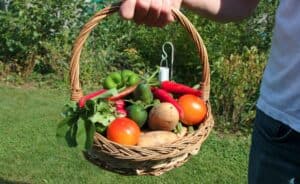
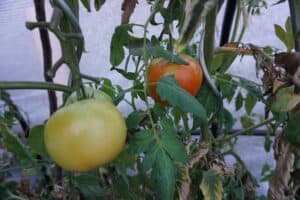
The fall harvest so far has included more zucchini, pumpkin, and butternut squash, along with all of the snake gourds, a couple of savoy cabbages, Mexican cucumbers, tomatoes, string beans, and chilies — a genuinely pleasing result. Some fall vegetables are still ripening and growing in size, to be harvested a little later.
The Mexican cucumbers are only just starting to fruit — never intentionally planted, they grew back from last year’s seeds on their own. They got a bit neglected at first, until they were identified and given proper support with netting, since they’re climbers that need something to grow on. Cooked a few times so far, they’re a touch sour, but genuinely tasty with the right spices.
Winter Garden Preparation
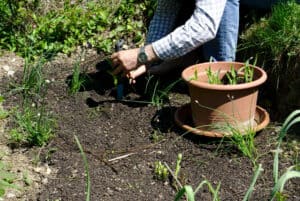
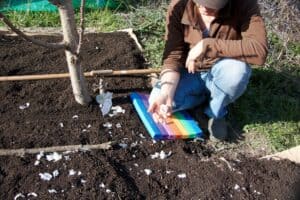
This year’s goal was to prepare the fall garden for winter too, to make the most of the garden and eat homegrown produce year-round. Researching online and on YouTube for inspiration turned up growveg.com — an impressively technical resource on gardening, complete with garden planner apps that seemed genuinely useful for amateur gardeners. Sharing it helped spark even more motivation to grow more vegetables. Winter vegetables went into the old potato bed as a result.
Preparing the Fall Garden for Winter
Supplies List
Zucchini, pumpkin, butternut squash
Snake gourds, savoy cabbage
Mexican cucumbers, tomatoes
String beans, chilies
Winter spinach, lamb’s lettuce
Winter cauliflower
Instructions
What Went In for Winter:
Winter spinach, lamb’s lettuce, winter cauliflower, and savoy cabbages all went into the ground during this stretch.
Leaving Some Vegetables Unharvested:
A few more savoy cabbages are still waiting to be picked. With a 4-week trip abroad coming up, it made more sense to leave them in the cabbage beds rather than the fridge — they keep and preserve better out in the field. The butternut squash and pumpkins can probably wait until the end of October too, harvested alongside the rest of the fall vegetables at that point.
Preserving the Harvest:
In the meantime, preserving has been keeping hands busy too — applesauce and sea buckthorn berry jam both in progress, with posts on each to follow shortly.
Support climbing cucumbers early: Mexican cucumbers and similar climbers need netting or another support structure once identified, rather than being left to sprawl. Leave cabbages in the ground before traveling: savoy cabbage keeps and preserves better left in the field than picked and stored in the fridge. Use a garden planner if you’re new to this: resources like growveg.com, with their planner apps, are a genuinely useful starting point for amateur gardeners.
Watch the Video
Your feedback is valuable
Thank you for taking the time to read this post.
Frequently Asked Questions
What Vegetables Can You Plant for a Winter Garden?
Winter spinach, lamb’s lettuce, winter cauliflower, and savoy cabbage are all good options that can go in as the fall garden winds down.
Should You Harvest Cabbage Before Traveling?
Not necessarily — savoy cabbage tends to keep and preserve better left in the field than picked and stored in the fridge, so it can often stay put during a trip.
Why Bring Curry Plants Indoors in Fall?
Curry plants won’t survive temperatures below about 5°C, so bringing them indoors under special lights for winter is necessary to keep them alive until spring.