Disclosure: This post contains affiliate links, meaning, at no additional cost to you, we will earn a small commission if you click through and make a purchase. Learn more
A heat wave, a week away in France, and a rediscovered Nostrano cucumber plant — plus finally getting proper footpaths and vegetable beds sorted before the weeds took over completely.
There’s a lot to write about this summer garden, though this post will lean mostly on pictures. A lot has happened since the last garden update.
Europe went through a strong heat wave that lasted for weeks. With hardly any rainfall, the lawns dried out completely and the summer garden looked just as parched. Fireworks were even banned for Swiss National Day that year, over fears of fires starting in the dry conditions.
Around that time, a week-long trip to the Paris area in France felt like a good break — plenty of sightseeing and adventure. The garden suffered a bit while away, between the neglect and the ongoing dry heat. Watering as much as possible helped, and a variety of vegetables still came in, just not in huge quantities.
Table of Contents
Making Footpaths and Vegetable Beds
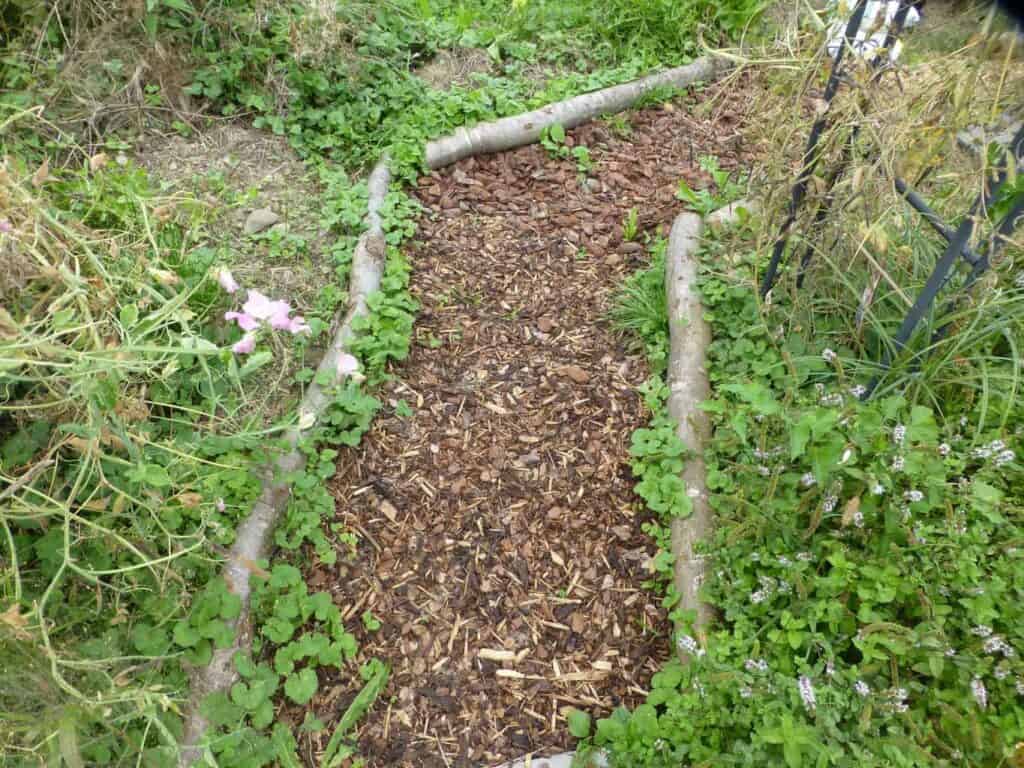
Clearing proper areas for vegetable beds, along with a real footpath to reach the patches, became a real priority. Not allocating those areas clearly from the start had been a mistake — weeds took over, making it genuinely difficult to harvest or work in the garden.
A stock of tree trunks left over from felling some pine trees the year before came in handy for bordering the paths, with a few extra pieces collected from the forest to round it out — only a small amount was needed beyond what was already on hand. Wood chips went down over the new walking areas, bought from Landi, the most ecological and cheapest option available. Getting proper beds in place this way also made harvesting on time much more manageable, and pulling weeds became noticeably easier too.
Highlights of the Harvest
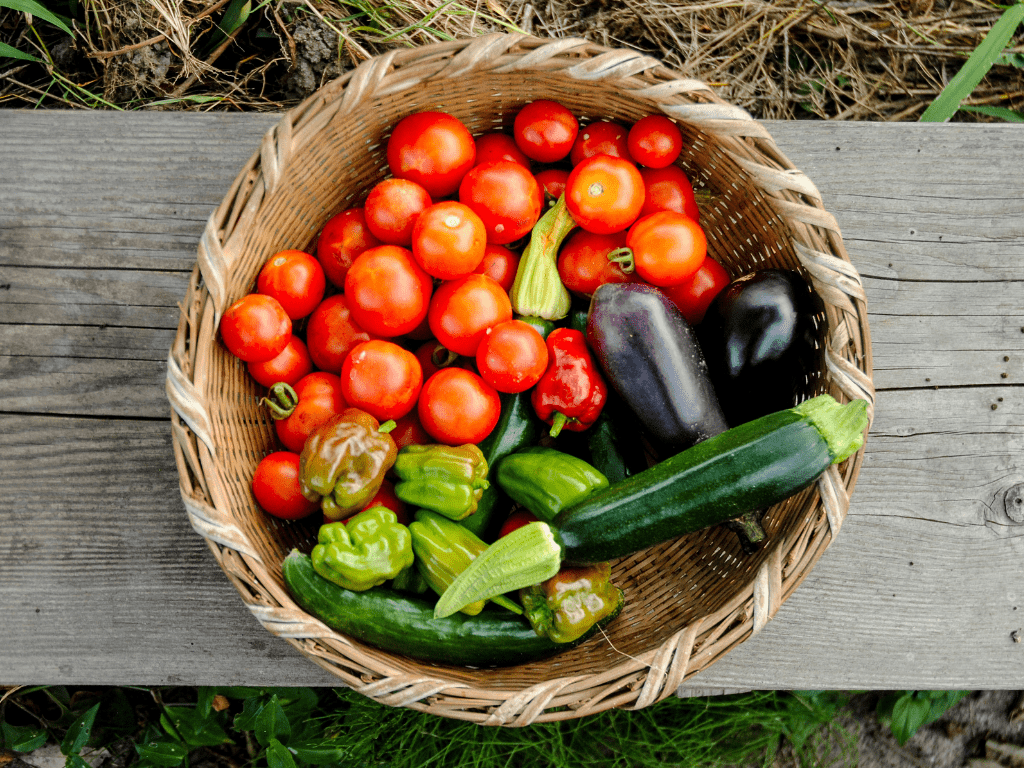
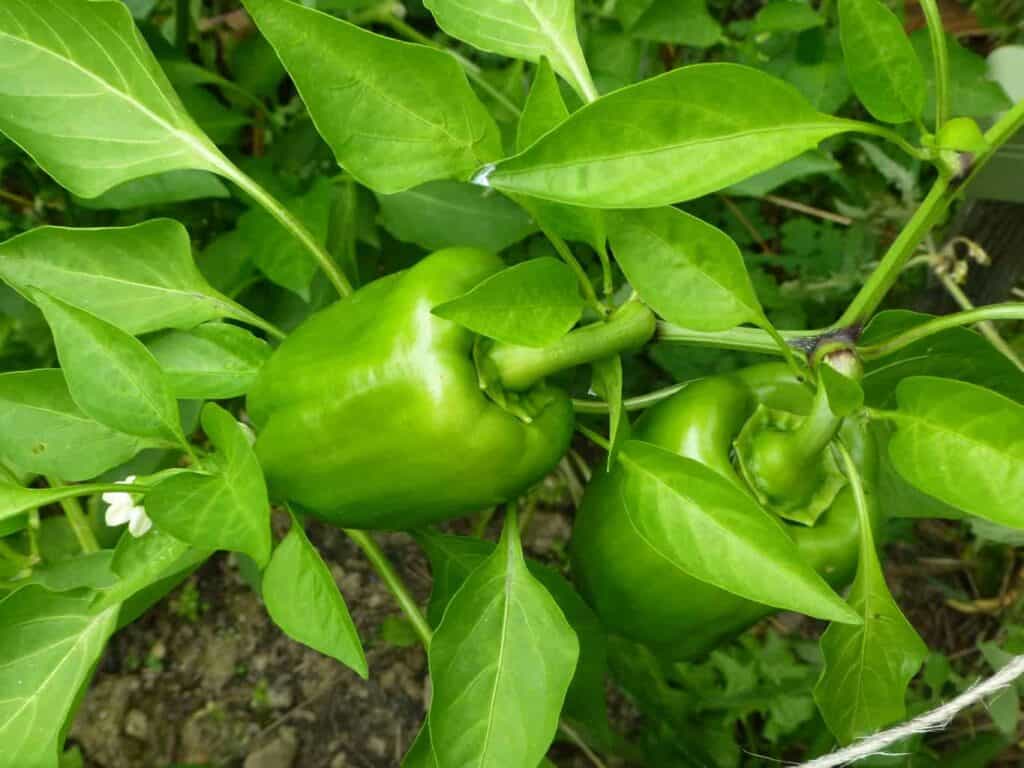
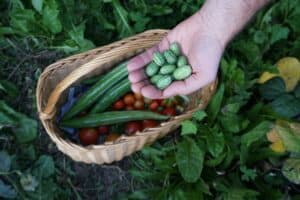
A good variety came out of the late summer garden — eggplants, bell peppers, some chilies, okra, and bitter melons among them. The smaller chili variety turned out very hot, but gave a good yield, with a few batches frozen to last through winter.
While clearing weeds, a Nostrano cucumber plant turned up, thought to have been lost entirely. It’s been harvesting steadily since the start of August — genuinely one of the more enjoyable cucumbers, easy to digest too. Some string beans came in as well, though the yield ran low due to the lack of rain. From last year’s compost, one Mexican cucumber plant even sprouted on its own — flowering a bit late, but likely to yield enough for the season, especially with one bottle of last year’s pickled batch still left over from how much that plant produced the year before.
What This Summer’s Garden Produced
Supplies List
Eggplants, bell peppers
Chilies, okra
Bitter melons
Nostrano cucumber
String beans
Mexican cucumber
Instructions
Sourcing the Wood Chips:
Wood chips for the new footpaths came from Landi — the most ecological and cheapest option found for the job.
Reusing What Was on Hand:
Tree trunks saved from felling pine trees the year before became the path borders, topped up with just a few extra pieces gathered from the forest.
Allocate garden areas clearly from the start: without clear boundaries for beds and paths, weeds can take over fast and make the whole garden harder to work in. Reuse fallen tree trunks for borders: a practical, low-cost way to edge new footpaths, topped up with just a little extra material if needed. Check the compost pile for surprises: a Mexican cucumber plant sprouted entirely on its own from the previous year’s compost.
Watch the Video
Your feedback is valuable
Thank you for taking the time to read this post.
Frequently Asked Questions
Why Clearly Mark Out Garden Beds and Paths?
Without clear boundaries, weeds can quickly overgrow the whole space, making it hard to harvest or even move through the garden — defined beds and paths keep things manageable.
What Can You Use to Border Garden Footpaths?
Leftover tree trunks from felling trees make a practical, low-cost border, topped with wood chips for the walking surface — an ecological and inexpensive combination.
Can Vegetables Grow from Compost on Their Own?
Yes — a Mexican cucumber plant sprouted entirely unplanted from the previous year’s compost pile and went on to produce a usable harvest.