Disclosure: This post contains affiliate links, meaning, at no additional cost to you, we will earn a small commission if you click through and make a purchase. Learn more
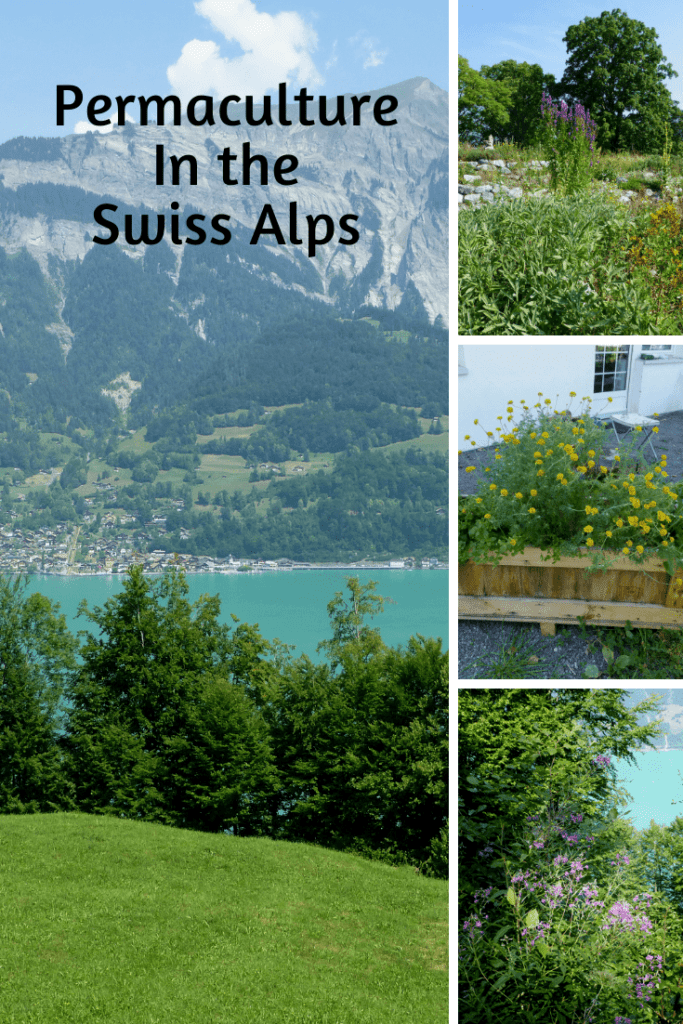
A second visit to the Schweibenalp permaculture community, combining a yoga seminar with an escape from a brutal European heat wave — and a close look at how they grow herbs, vegetables, and fruit trees together at altitude.
Permaculture has been at the heart of gardening experiments here, adapted often, as mentioned in an earlier post on organic vegetable harvesting.
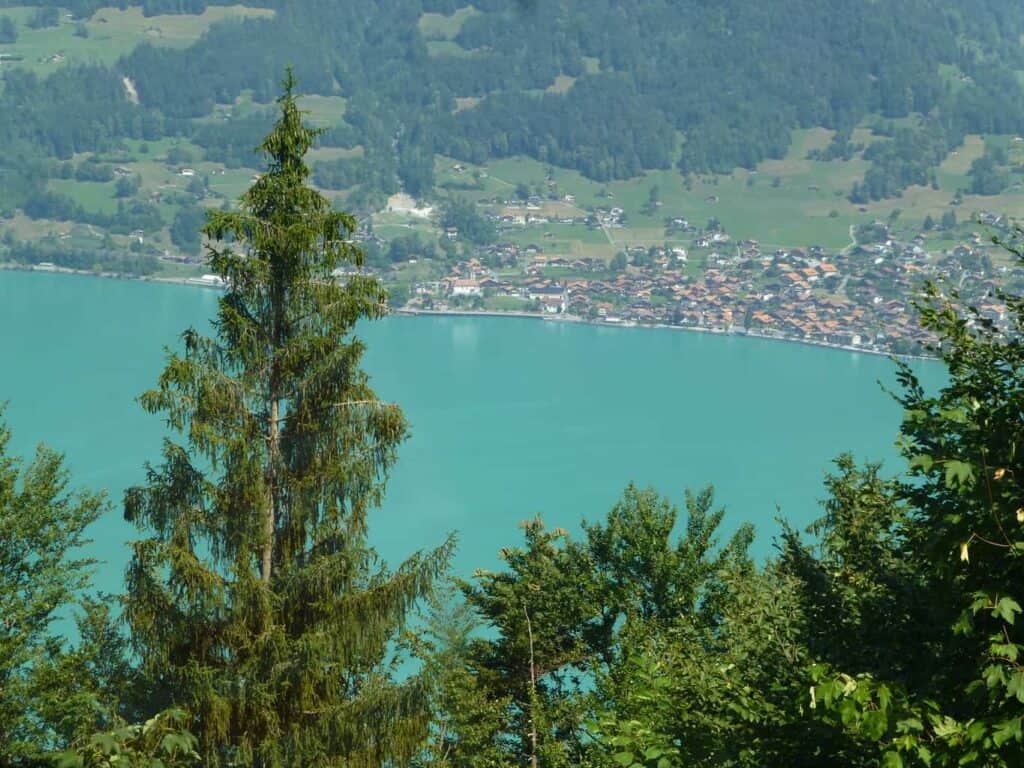
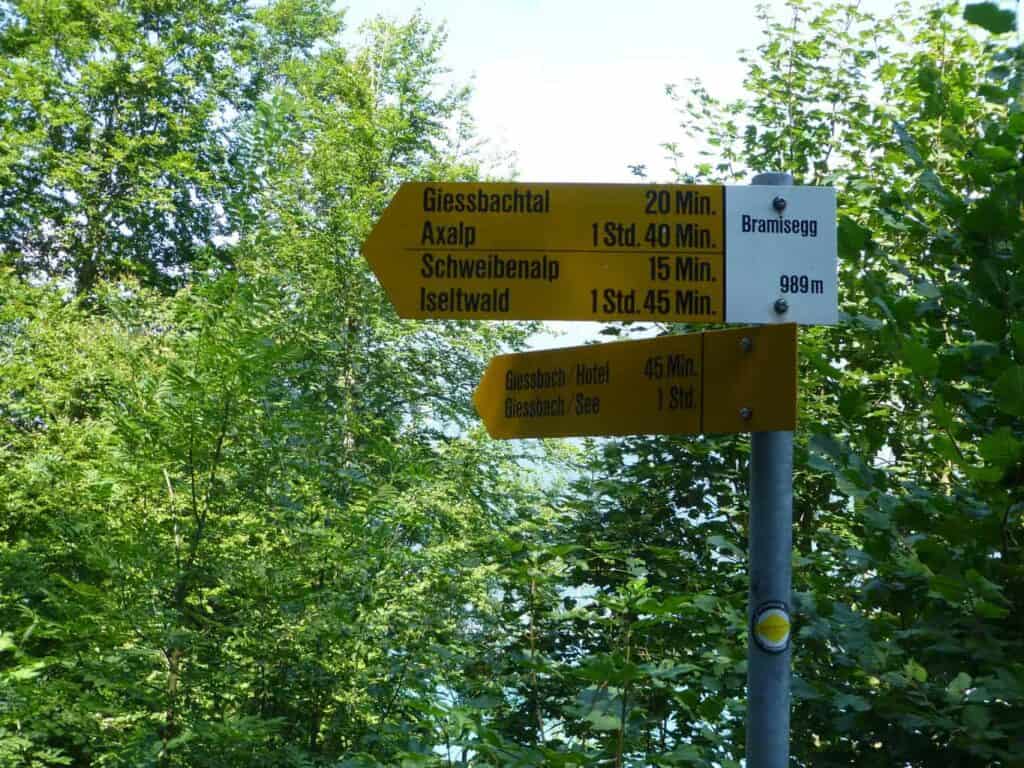
A return visit to the Schwaibenalp permaculture community felt worth making again this year. With Europe going through a heat wave between July and August, a couple of days’ reprieve from the heat sounded appealing — combining a yoga seminar with the cool alpine climate and beautiful natural surroundings seemed like the perfect way to get it.
This was a second visit, after an open day tour the previous summer left a strong impression — enough to start dreaming about staying a full weekend there sometime. Even this short visit offered a complete break from the daily routine, with nature and good company at their best. Another visit is already planned for next summer.
Table of Contents
What Is Permaculture?
Permaculture focuses on sustainability and cooperative support throughout every process of life — starting with symbiotic plant communities and extending across all of nature’s life cycles. Beyond growing food, it also takes in sustainable energy, sustainable building, and sustainable community development as a whole.
Perennial Nursery and Vegetable Garden
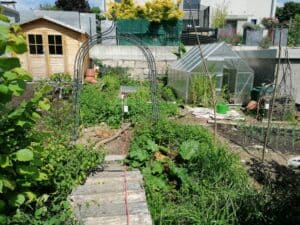
This community maintains a wide range of plants and an extensive nursery, growing herbs, medicinal plants, perennial vegetables, aromatic herbs, berries, and native shrubs.
Being at higher altitude means a later season than in the valleys and flatlands — the redcurrant bushes here were still ready for harvest almost 2 months later than expected. Even so, it was genuinely admirable how many varieties of vegetables, fruits, and herbs the community has managed to cultivate.
To work with the extreme weather and short growing season at altitude, a mix of methods gets used — hills, terraces, heat traps, and ponds, alongside traditionally robust vegetable varieties known in Switzerland as Pro Specie Rara. This category has seen a real revival in recent years, with big supermarkets like Coop now stocking them almost permanently in their organic section — usually organic themselves too. Visitors to the community can buy saplings and seeds directly on site.
A Closer Look at the Community
Supplies List
Herbs, medicinal plants (perennial nursery)
Redcurrant bushes
48+ herb varieties (terrace)
Fruit trees with companion planting
Legumes & herbs (pest deterrent)
Pro Specie Rara vegetable varieties
Instructions
Permaculture Herb Terrace:
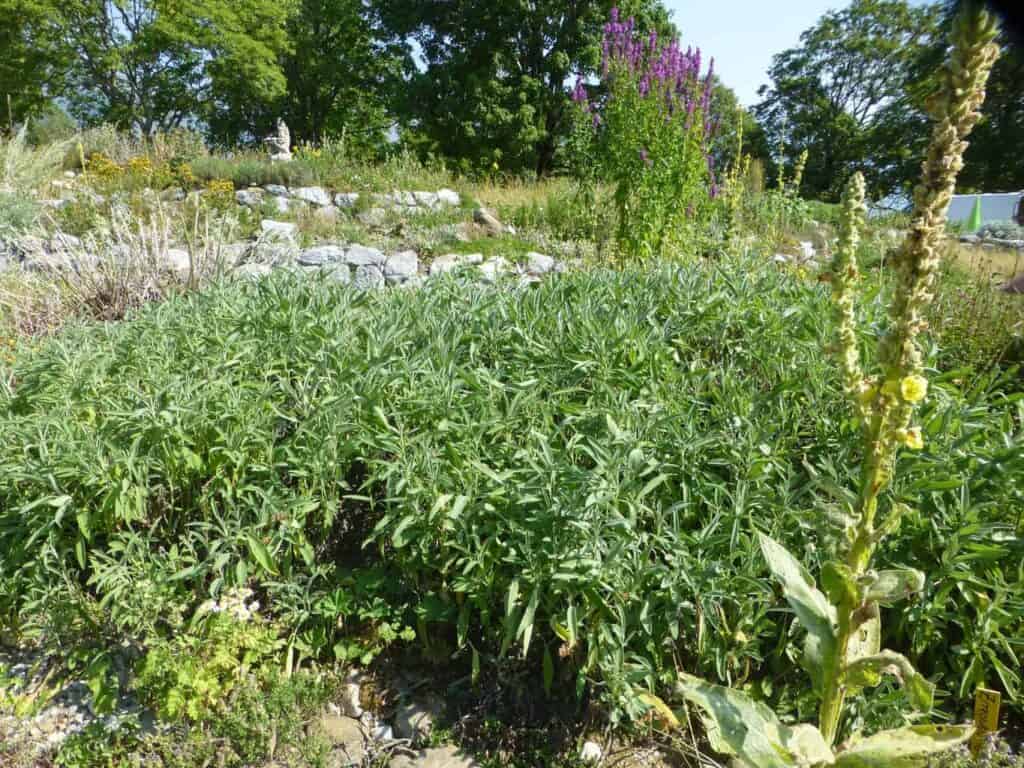
Herbs here are grown on stone terraces, which help store solar energy and create a micro-climate that supports a rich variety of herbs, despite the short season and harsh conditions. Even so, the herbs turn out highly aromatic, with high concentrations of essential oils. More than 48 different herb varieties grow together in mixed culture across the terrace, with the community’s high-quality herbs and derivatives sold in shops.
Fruit Tree Community:
Diverse fruit tree communities have been cultivated here too. Fruit trees tend to grow better alongside herbs, perennials, and berries, which attract pollinators and bring essential oils into the mix to help fend off disease. Supporting plants like legumes and herbs are worked in among the trees as well, distracting herbivores while also supporting the trees’ growth — and offering their own harvest on top of that.
Learn More About Alpine Permaculture
More on the alpine permaculture methods used here can be found on the community’s own site, linked at the top of this post — well worth a look for anyone curious to dig deeper.
A Few Takeaways from the Visit
Use stone terraces for a micro-climate: stone stores solar heat effectively, helping herbs thrive even in short, harsh alpine seasons. Pair fruit trees with companion plants: herbs, perennials, and berries planted alongside fruit trees attract pollinators and help protect against disease. Look for Pro Specie Rara varieties: these traditionally robust vegetable varieties are increasingly available at organic sections in major supermarkets.
Watch the Video
Your feedback is valuable
Thank you for taking the time to read this post.
Frequently Asked Questions
What Is Pro Specie Rara?
A category of traditionally robust vegetable varieties in Switzerland, chosen for their resilience in tougher growing conditions — they’ve seen a real revival in recent years and are now widely stocked in the organic sections of major supermarkets.
Why Do Fruit Trees Grow Better with Companion Plants?
Herbs, perennials, and berries planted nearby attract pollinators and add essential oils into the mix, which helps protect fruit trees from disease.
Why Does the Growing Season Start Later at High Altitude?
Higher elevations stay cooler for longer into the season, which pushes back ripening times — redcurrant bushes at Schweibenalp were ready for harvest almost 2 months later than expected in the valley.