How to create a no dig Garden
Disclosure: This post contains affiliate links, meaning, at no additional cost to you, we will earn a small commission if you click through and make a purchase. Learn more
Creating a no-dig garden became the real priority this spring, after only dabbling with the method briefly years before — here’s how it came together, budget constraints and lockdown timing included.
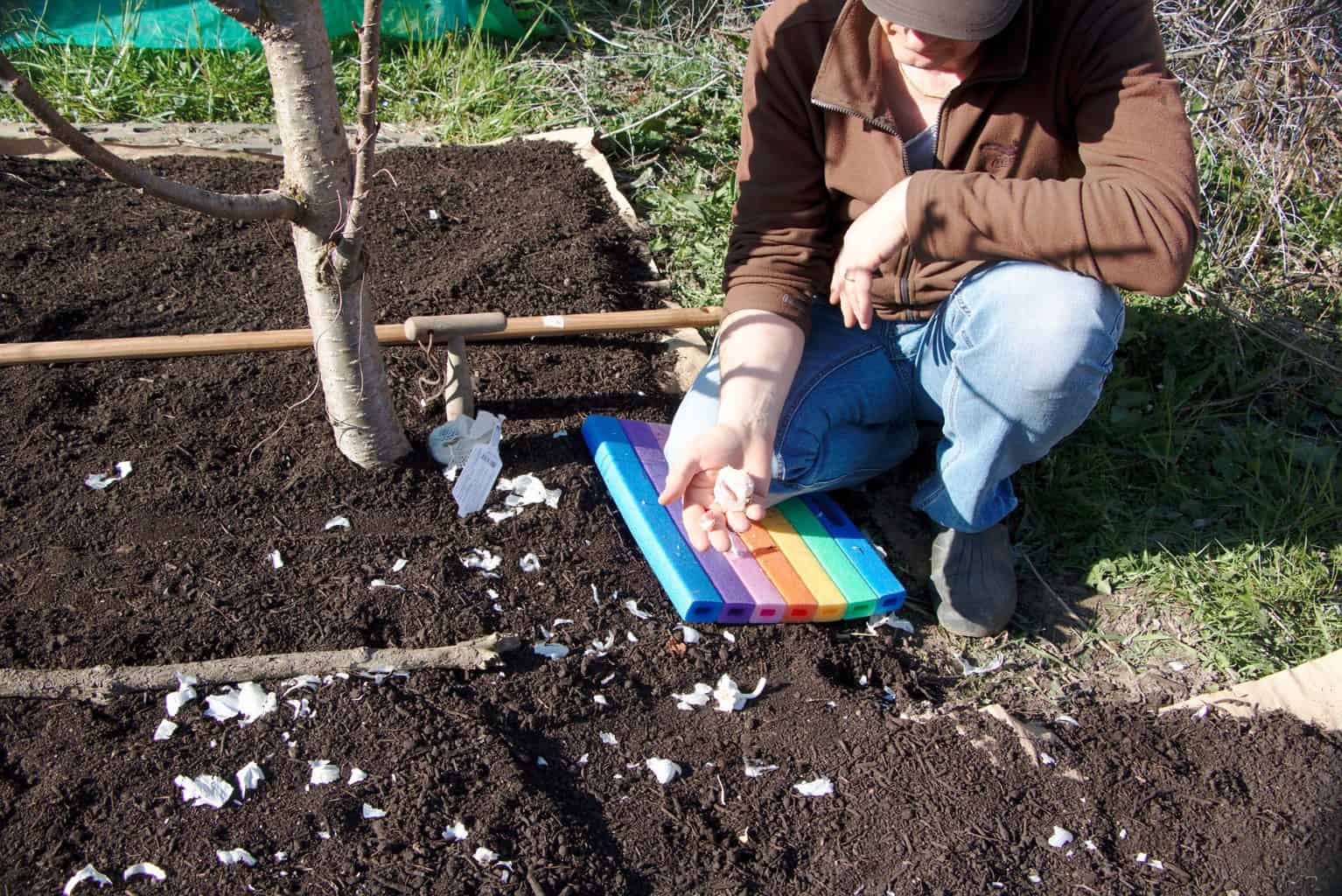
It had been a while since sharing any updates on how the garden was coming along. A lot was happening as the weather warmed up, and creating a no-dig garden this spring became the real priority — something to take seriously after only dabbling with it briefly years before.
Table of Contents
History of No-Dig Gardening
The exact origins of no-dig gardening aren’t entirely clear, though the method may trace back to pre-industrial or nineteenth-century farming practices. Traditional digging serves a few purposes — clearing weeds, loosening and aerating soil, and working compost or manure into the lower layers — but in areas with thin, erosion-prone soil, there’s a strong case against it. Over time, digging can damage the delicate food web living in topsoil, and while it does remove perennial weed roots effectively, it also tends to bring long-dormant seeds to the surface, where they promptly germinate. Aerating the soil this way also speeds up decomposition and depletes organic matter, while displacing nutrients deeper down where there’s less oxygen to break them down into a form plants can use — nutrients that then need replenishing another way. Digging has traditionally been more common in regions with old, deep, rich soils, like Western Europe, typically followed by resting the soil under an undisturbed cover crop.
No-dig gardening has been gaining real popularity in recent years among organic and permaculture gardeners. Charles Dowding is one of the best-known voices in that community — well worth following for more on the method.
1. Covering the Vegetable Patches with Cartons
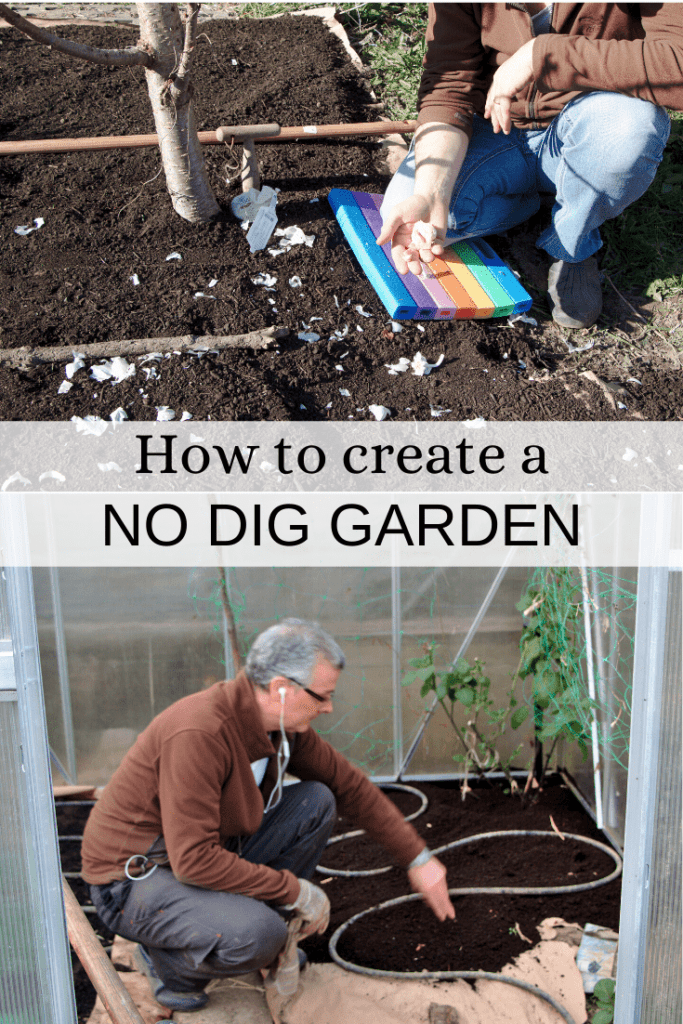
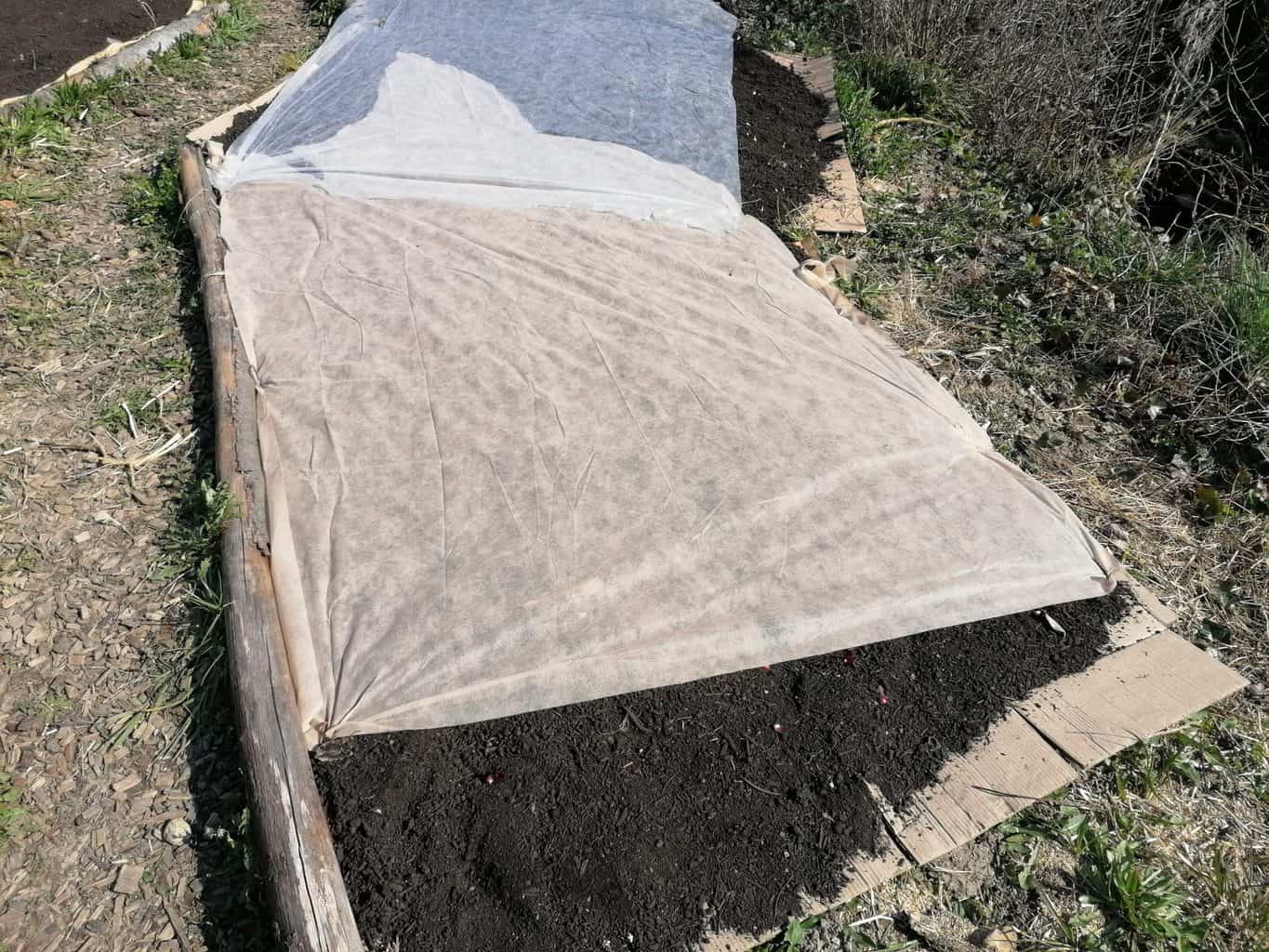
Mulch beds started coming together from homemade compost by mid-February, with things getting serious by early March — gardening productively felt more important than ever given the economic climate at the time. All the dried-out plants from the previous season were cleared and composted. Being on a tight budget meant looking for low-cost ways to prepare the beds, and covering them with cardboard cartons before layering mulch on top turned out to be the answer. A whole stack of free cartons came from the local supermarket almost by accident — they were being thrown out anyway, with nothing purchasable during the lockdowns regardless, and the store was happy to hand them over. Every bed got covered this way.
2. Preparing Mulch Beds
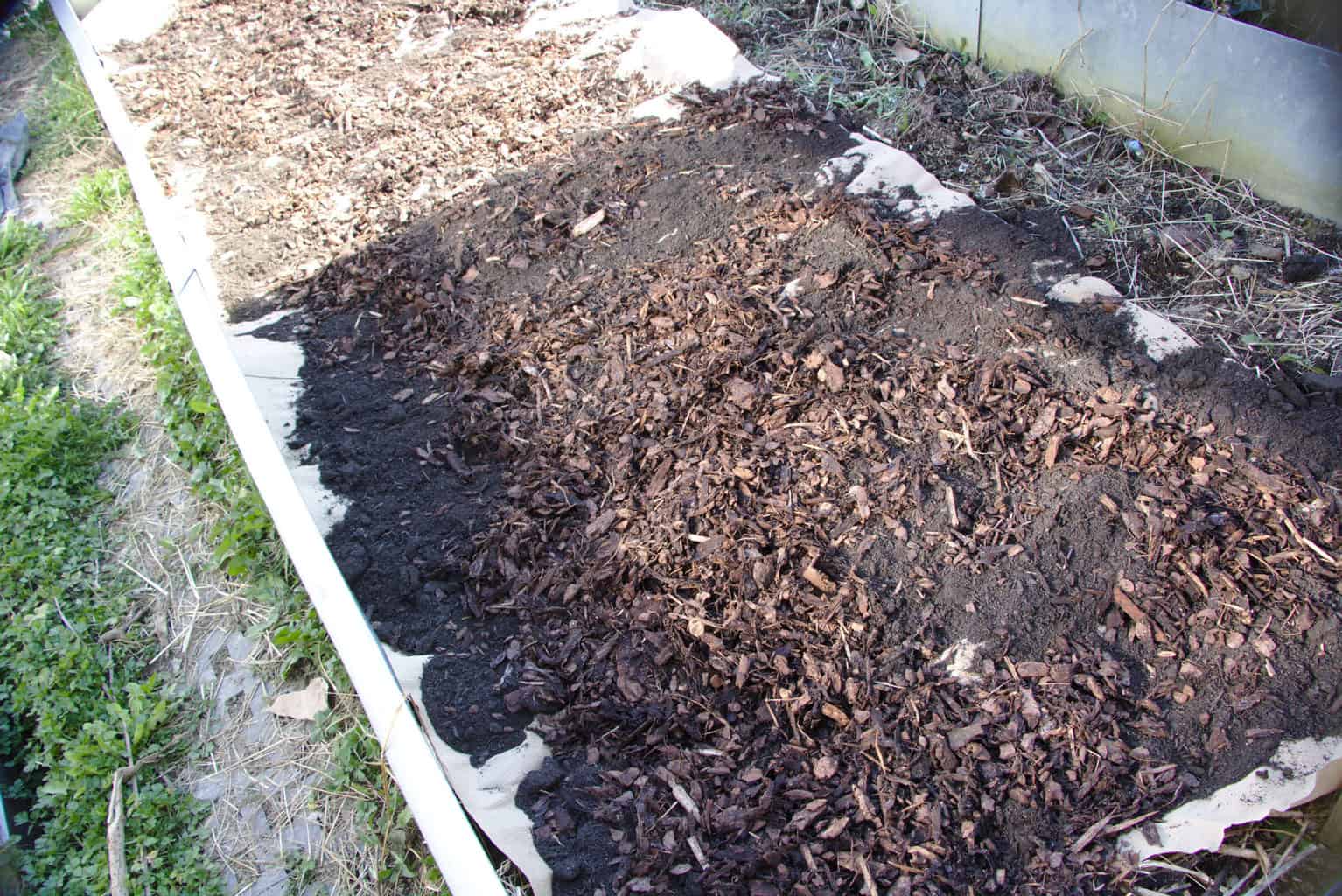
The next step was layering organic mulch on top of the cartons. Homemade compost wasn’t nearly enough to cover even one bed, so a few bags of organic mulch were bought from the local garden center just before lockdown — an impractical, fairly expensive option given how many trips it took with a small car and limited boot space. With lockdown just hours away, that clearly wasn’t going to work at scale, so a call went out to a longtime gardener, who came through with a full load of organic mulch at the very last hour before the official lockdown began.
How We Prepared Our No-Dig Garden
Supplies List
- Cardboard cartons
- Organic mulch
- Snip and drip irrigation system
- Cover sheets (for weed prevention)
- Seed blockers
- Onion, garlic & seed bulbs
Instructions
3. Prepare No-Dig Beds in the Greenhouse:
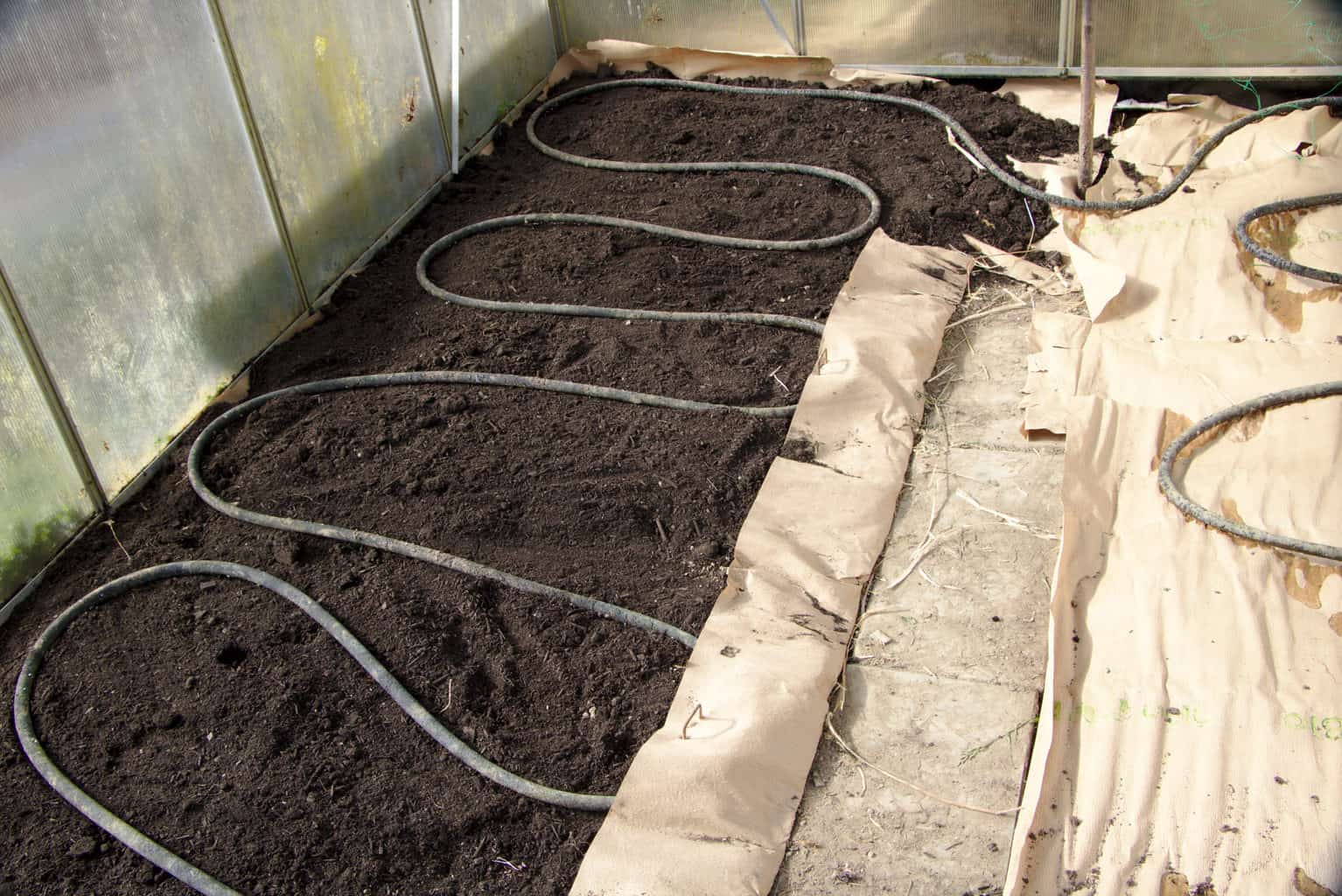
Since pipes blocked direct access to the garden, the load of mulch got dropped off in the front yard instead and had to be wheeled in by hand — tedious and time-consuming, but it got done. The greenhouse itself was cleared of the previous season’s dried-out plants and prepared with the same carton-and-mulch method. The snip and drip irrigation system went back into the greenhouse and outdoor beds too, with plans to extend it to the remaining beds budget permitting.
4. Cover the Prepared Beds to Prevent Weeds:
Since it was still too early to plant most vegetables even by the first or second week of March, the beds needed covering to keep weeds from taking hold. A couple of special sheets, sourced well in advance, did the job. Frost was still a real risk too, possible right up until around Easter — night temperatures stayed below zero even on seemingly warm days.
5. Plant Frost-Resistant Bulbs and Seeds:
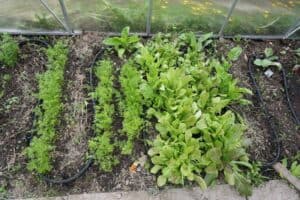
A planting timetable helped this year, aiming to get a few vegetable varieties into the ground at just the right time for the best harvest. Bulbs like onion and garlic, along with spinach and lettuce, are good March plantings. Bags of onion and garlic bulbs were sourced before the official lockdown — a bit of intuition that something like this might happen meant garden supplies were already sorted back in February. After 3 years of gardening, not much new was actually needed; onions, garlic, spinach, lettuce, and carrots all went in.
6. Prepare the Seedlings at Home:
Seed blockers came out next, for starting heirloom seeds saved from the year before, since buying new seed anywhere simply wasn’t an option this year — those saved heirlooms turned out to be a real lifesaver. Seeds needed a warm start indoors before being moved out to the greenhouse and other beds. Okra, tomatoes, and a few different squashes went in this way, germinating and growing a few centimeters already. They’d be ready for the greenhouse once night temperatures held above 10°C, since some of the more tropical seedlings are delicate and don’t handle inconsistent night temperatures well. A run of warm days helped, and a gas heater went in as a backup just in case.
Following Charles Dowding
Charles Dowding’s website and Instagram are worth following for more on no-dig methods — he’s one of the most recognized voices in the no-dig gardening community.
A Few Practical Lessons
Look for free cartons: supermarkets often throw out plenty of them — worth asking before buying anything new for bed covering.
Line up mulch early: organic mulch can be hard to source in bulk at the last minute, especially if a lockdown or shortage is looming.
Cover beds against frost: frost risk lingers until around Easter even on warm-feeling days, since night temperatures can still dip below zero.
Save your own seed: heirloom seed saved from previous years is a real safety net when new seed isn’t available to buy.
More on the Garden’s Progress
The garden’s earlier progress is covered in a previous post, for anyone curious how it looked before this no-dig approach took hold.
Watch the Video
Your feedback is valuable
I hope this post on how to create a no-dig garden was useful. Do you have some feedback you’d like to share? Leave a note in the comment section below! Thank you so much for visiting Vital Fair Living – we’re so happy you’re here! and thanks for taking the time to read this post. I would love it if you can share this post using the social media buttons.
Frequently Asked Questions
It avoids disturbing the soil structure and the food web living in the topsoil — digging can damage that structure, bring dormant weed seeds to the surface, and deplete organic matter over time.
Free cardboard cartons laid over the bed, topped with a layer of organic mulch, is an inexpensive way to start — no digging or expensive materials required.
Saved heirloom seed means not having to rely on buying new seed each year — a real safety net when seed or seedlings are hard to find or source in time.