Disclosure: This post contains affiliate links, meaning, at no additional cost to you, we will earn a small commission if you click through and make a purchase. Learn more
July is when the fruits of spring labor finally start showing — fewer trips to the store, a controlled zucchini harvest this time around, and a proper Charlotte potato haul.
Efforts toward a productive organic summer garden are paying off this July. Gardening depends on so many factors, and mistakes along the way are part of the learning — every year turns out a little different, with plenty of room to grow as beginners aiming for more self-sufficiency.
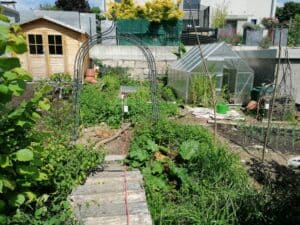
July is when the fruits of spring labor really start to show. A video was filmed just last week for a July garden tour update on the YouTube channel — the whole point of that channel being to keep a record of these experiences and share them along the way. Filming technique still needs work, especially keeping a steady hand while walking the uneven garden surface.
July and August mark the peak of European summer — the best stretch for harvesting and watching things grow, and a real learning curve to carry into next year. What worked as beginner’s luck the year before didn’t hold up quite as well this time — not every plant hoped for could be grown. That, really, is what gardening is about: working with the weather, the soil, and the seeds as they come.
Table of Contents
July Garden Was Productive
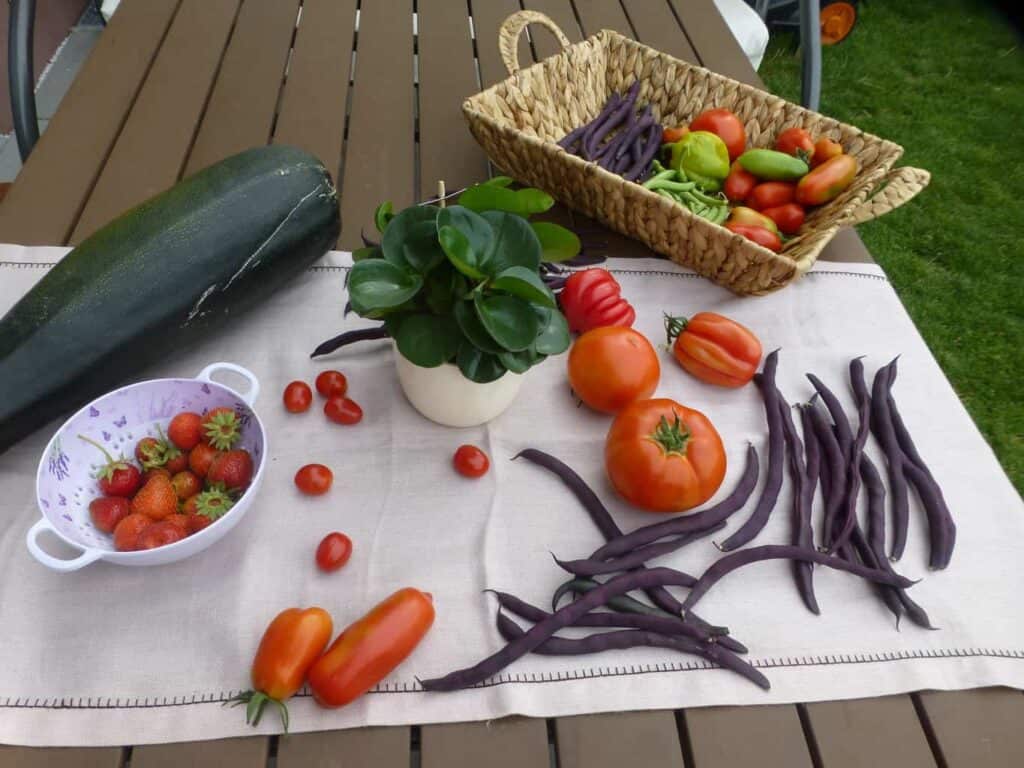
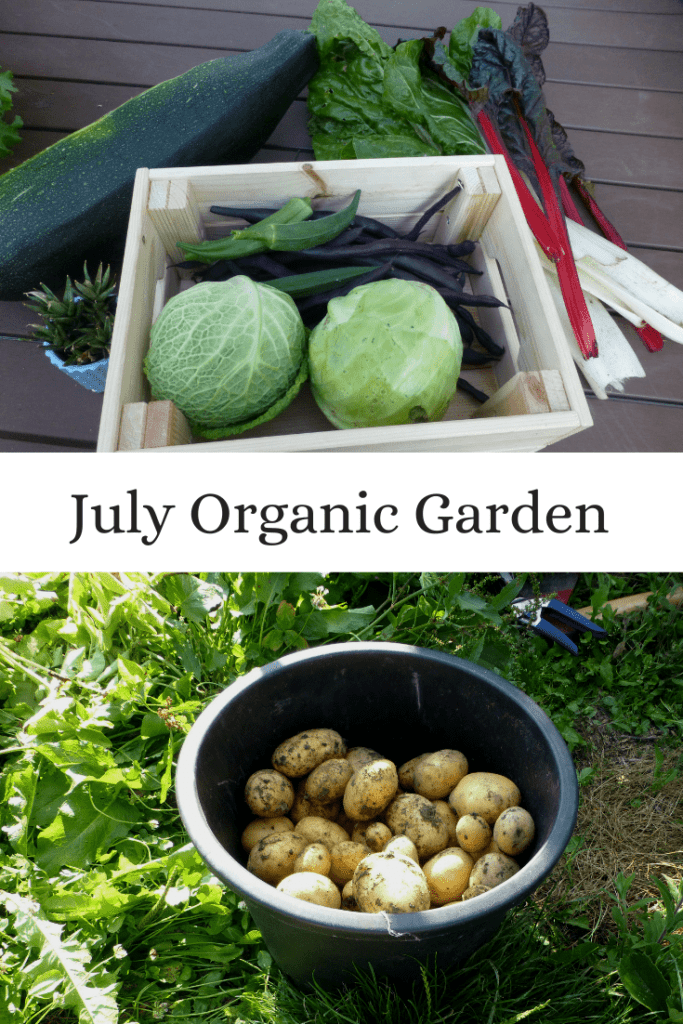
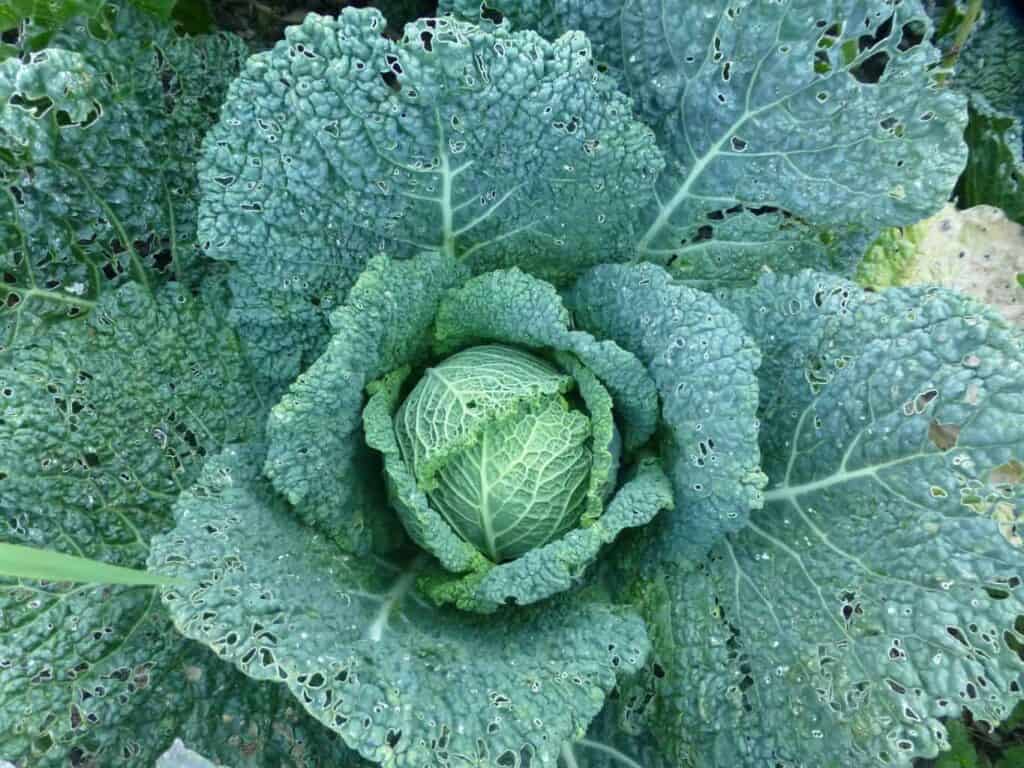
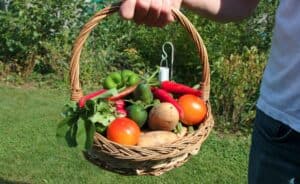
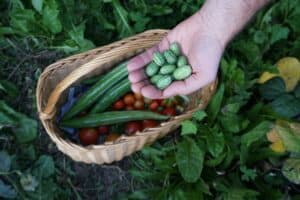
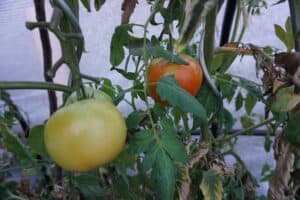
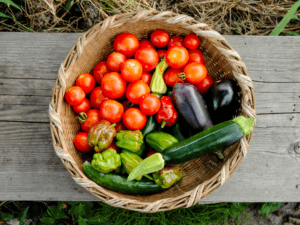
The July garden has been productive so far, with fewer trips needed to the store — really just for milk and fruit. Quite a few vegetables were ready to harvest this month: zucchini, peas, potatoes, broccoli, chives, and some beans, with tomatoes just beginning to come in by mid-July.
This year, zucchini growth finally got under control, after last year’s experience of being completely overwhelmed by it. The fix was simple — planting just a couple of zucchini plants, and letting only 1 or 2 grow past their normal size. Most were harvested early and gifted to friends.
Potato Harvest
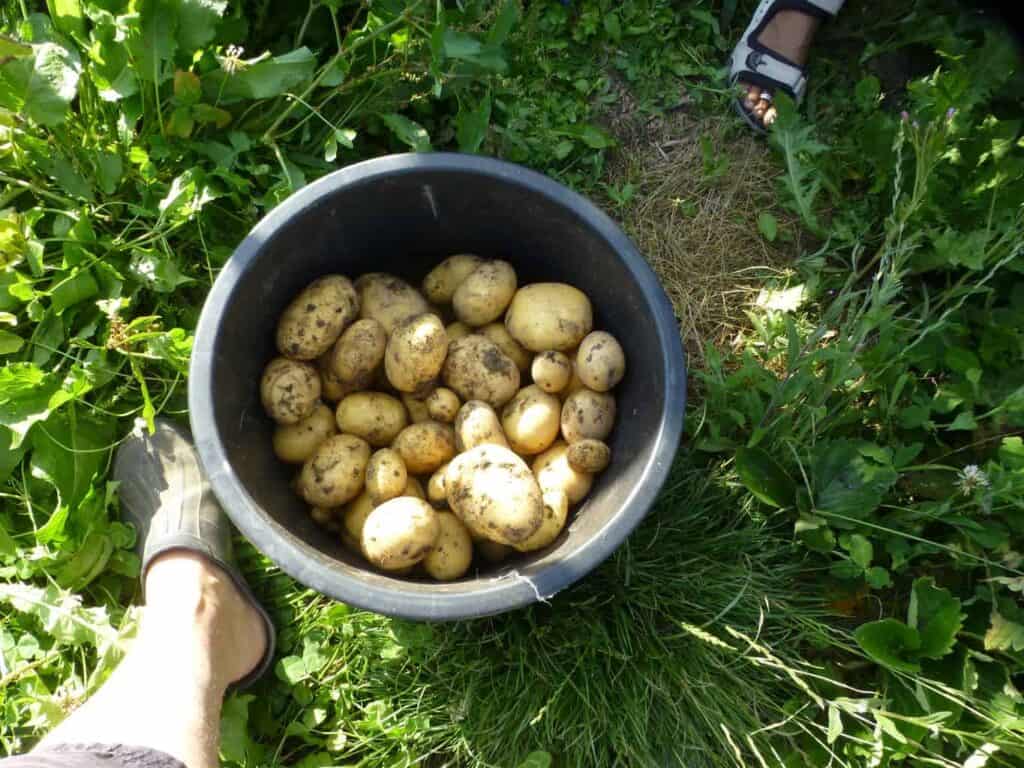
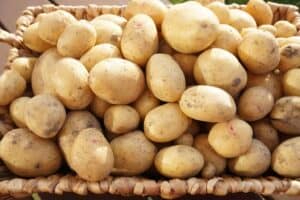
Some of the potatoes were ready to harvest this round, stored unwashed in the cellar — they keep best that way. These particular ones had been planted the previous autumn.
The variety was Charlotte, a tough all-rounder that’s good for salads and baking alike, and a genuine favorite — a staple in the store cupboard here. Oven-baked french fries, made from this batch, have become something a young daughter would happily eat exclusively if left to her own devices. Another firm favorite is rosti, a typical Swiss potato dish and a hit in most Swiss homes.
What Came In This Month
Supplies List
Zucchini, peas
Charlotte potatoes
Broccoli, chives
Beans
Tomatoes (just beginning)
Instructions
Prepare the Peppers:
Wear gloves in order to protect your hands from the heat of the peppers. I have experienced heat on my hands for almost a week because I forgot to wear the gloves once. Remove the stems, seeds, and membranes from the hot peppers (you can leave some seeds if you prefer a spicier jelly). Chop them roughly and then blend it to a rough consistency.
Cook the Peppers:
Combine the blended peppers after filtering out the excess liquid with pectin sugar, apple cider vinegar, and salt in a thick bottom pot or saucepan. Remove the liquid from the crushed peppers, only if you want the jelly to be thicker, otherwise its not needed.
Bring the mixture to a boil over medium-high heat, then reduce the heat and let it simmer for about 10 minutes.Increase the heat and bring the mixture back to a rolling boil. Boil for 1 minute, stirring constantly.
Skim the Foam
Skim off any foam that forms on the surface of the jelly using a metal spoon. This will help to ensure a clear jelly, if you want a clear jelly.
Plate Test
Prior to starting the jam, keep a plate in the freezer. Then drop a little of the jelly and see if it has attained the required consistency.
Canning the Jelly:
Ladle the hot jelly into sterilized jars, leaving about 1 cm of head space at the top. Wipe the rims of the jars with a clean, damp cloth, and apply the lids and screw bands.
Process the jars in a boiling water bath for 10 minutes to ensure they are sealed properly. Remove the jars and let them cool completely. Check the seals after 24 hours – the lids should not flex up and down when pressed.
Limit how many zucchini plants you grow: just a couple of plants, with only 1 or 2 left to grow past normal size, keeps the harvest from getting overwhelming. Store potatoes unwashed: they keep noticeably longer in the cellar this way. Expect each year to be different: beginner’s luck one year doesn’t always repeat the next — weather, soil, and seed quality all play a part.
Watch the Video
Your feedback is valuable
Thank you for taking the time to read this post.
Frequently Asked Questions
How Do You Keep Zucchini Plants from Overwhelming a Garden?
Limiting to just a couple of plants, and letting only 1 or 2 grow past their normal size, keeps the harvest manageable rather than overwhelming.
Why Store Potatoes Unwashed?
Potatoes keep noticeably longer when stored unwashed in a cool cellar, compared to washing them before storage.
What Is Rosti?
Rosti is a classic Swiss potato dish, popular in most Swiss households — a hot favorite here made from homegrown Charlotte potatoes.