
10 Easy Red Currant Recipes
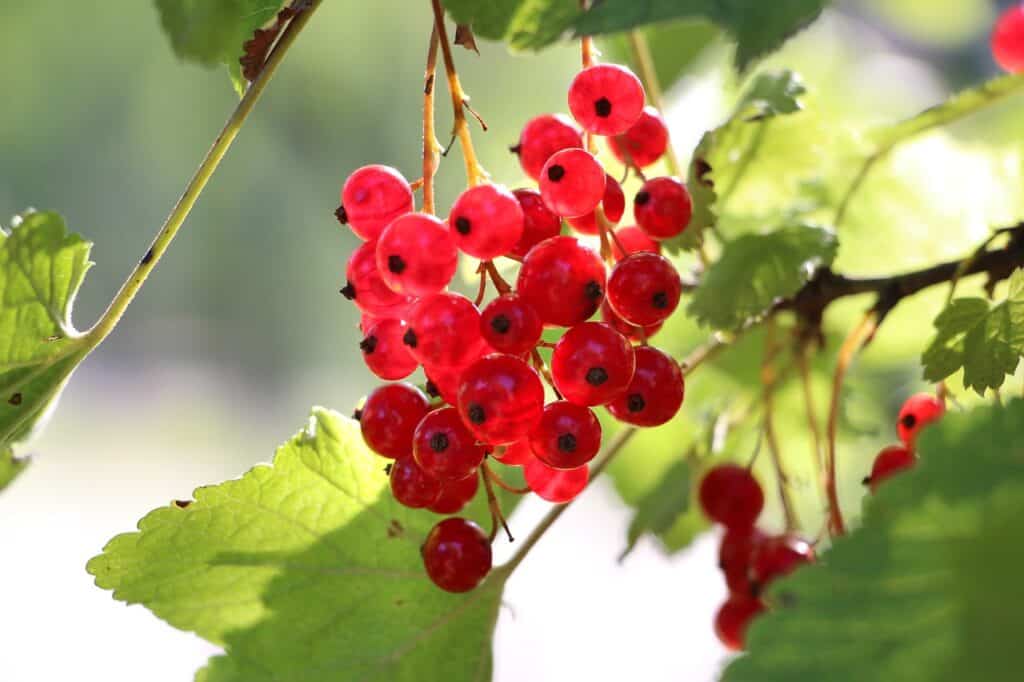
Redcurrants are versatile and can be used in a variety of recipes, both sweet and savory. Here are a few delicious redcurrant recipes to try.
Lacto fermented red currants
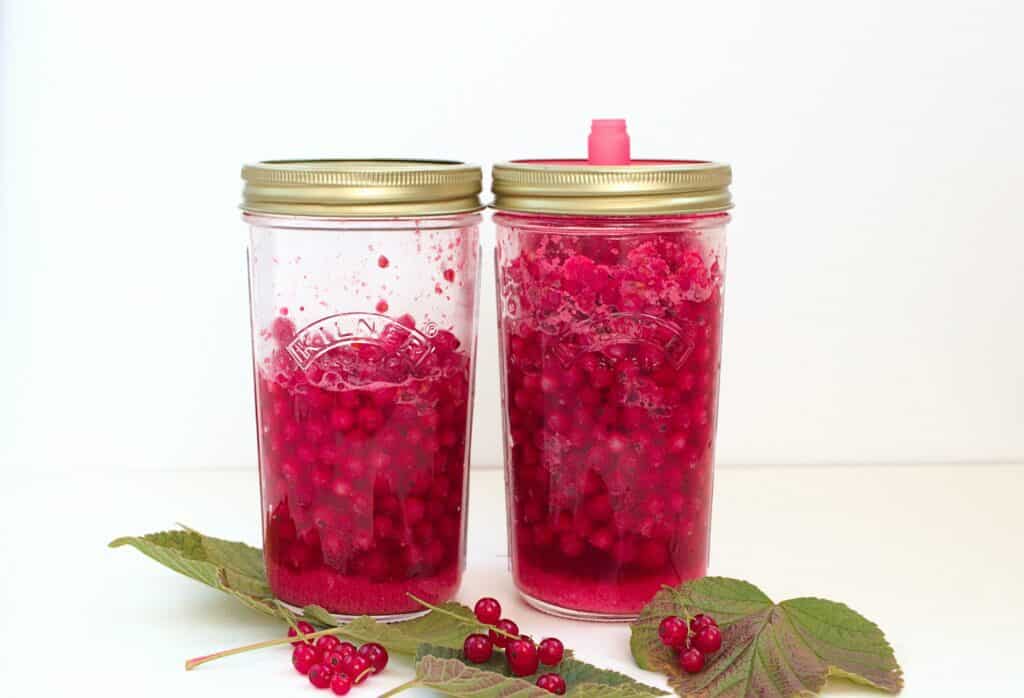
Ingredients Cooking Instructions Jump to Recipe Disclosure: This post contains affiliate links, meaning, at no additional cost to you, we will earn a small commission if you click through and make a purchase. Learn more Home Red currants are in season and I make a few preservation recipes with them. These berries taste wonderful once they are ripe after harvest. But they don’t last very long after harvesting. You know my love for fermented healthy food, so I also made lacto fermented red currants to enjoy the health benefits of fermented fruits as well. You know my love for fermented healthy food, so I also made lacto fermented red currants to enjoy the health benefits of fermented fruits as well. Table of Contents What You Need to Know about Lacto Fermenting Berries? Fermentation is a near-magical process that transforms any food. My kitchen and refrigerator is filled with fermented batter, bubbling sourdough starter, yogurt, sauerkraut, pickles and hot sauce to name a few. This lacto-fermented red currants recipe is simple to make. All you need is berries, a sweetener, water, and a starter culture to help start the fermentation process. Fermented fruit don’t need long fermentation process. A couple of days at the most and they are ready. Lacto-fermented berries taste wonderful. They are both sweet and tangy. You can use them on oat meal porridge, fruit salads or berry infused water. They are even great to eat as a snack with homemade yogurt and a little sweetener. Tools you may need Disclosure: This post contains affiliate links, meaning, at no additional cost to you, we will earn a small commission if you click through and make a purchase. Learn more Fermenting weights Sterilized glass jars Fermentation Lids How to make Lacto-Fermented Red Currants? Ingredients List Ripe Red Currants – 1 Liter Honey – 4 tablespoon Himalaya Salt – 1/2 teaspoon Whey or liquid from yogurt – 4 tablespoon Water – 4-6 tablespoons ( I used filtered water from my Berkey filter ) Instructions Remove the red currants from their stalks and wash it thoroughly and drain excess water. Mix all the ingredients together in a mixing bowl. Crush the berries a little in order to extract some juice. Set it aside for a few minutes and you will see the berries sweat a bit more. Fill the mixture tightly into sterilized fermenting glass jars. Leave a little space before placing the fermenting weights and for the gas to escape. The weight helps in keeping the red currants fully submerged in the liquid and keeping the oxygen out. Make sure that the berries are fully submerged in the juices and liquid. Close with the fermenting lid and set it below a tray to let the fermenting gas and any liquid to escape Leave at room temperature for 1-2 days. Store in refrigerator and use within 1-2 months. Tips to use Lacto-Fermented Red Currants Since, fruits and berries soften during fermentation, you will be getting a thin and slightly jammy texture. You can puree them and use them in smoothies, muesli or in yogurt. Tips to make Lacto-Fermented Red Currants Recipe Use fermenting weights for lacto fermentation. Don’t ferment fruits for more than 2 days or they will get alcoholic. Use a starter culture for lacto fermenting fruits and berries, so that its quicker. Add a sweetener like honey to speed up the fermentation process. You will need the berries to be fully submerged in the liquid so it keeps the oxygen out to avoid mold. Why do you need to use fermenting weights? I have tried previously to use sterilized stones, but I did have a moldy result sometimes and had to throw it out. Since, I have these fermenting weights my fermenting foods works like a dream. Because, these weights are perfectly fitting into mason jars, you can easily ferment small quantities of fruits or vegetables. In addition to it you can use fermenting lids to let the air out during the fermentation process. How to Know When Your Lacto Fermented Red Currants are ready? Unlike sauerkraut or cucumbers which typically benefit from a long period of fermentation, berries on the other hand benefit from a very short fermentation. Therefore, you need only one to two days. Moreover, you want to stop the fermentation before they turn alcoholic. This way they will keep the sweetness intact. After about a day, you’ll notice little bubbles appearing at the surface of the jar. Open the jar, spoon out a berry and taste it. If it tastes tart and faintly effervescent then they are done. Recipe Card Your feedback is valuable If you try this recipe and love it, I would love if you come back and gave it 5 stars! Thank you so much for visiting Vital Fair Living – we’re so happy you’re here! I would love it if you can share this recipe using the social media buttons you see next to the post. Frequently Asked Questions Why do you need a sweetener? When you add a sweetener to fruits and berries it helps to speed up the fermentation process. It also proves a source of carbohydrates for the beneficial bacteria which you want to cultivate.The sugars that remain after fermentation gives the berries a wonderful sweetness to balance their tartness. Lacto fermented red currants are quite tart, which I personally don’t mind. But we want our children and the rest of the family to eat this healthy food, so the sweetener helps. Can you use honey as a sweetener? Yes, honey is antimicrobial because it has a low water content and ferments just fine. The addition of a sweetener in this recipe for fermented berries helps, like the starter culture to speed up fermentation by providing a source of carbohydrates for the beneficial bacteria you’re hoping to cultivate. The sugars that remain after fermentation give the berries a wonderful sweetness to balance their tartness. How long can you store Lacto-fermented Red currant berries? Lacto-fermented berries should be stored
How to make Yogurt from raw milk
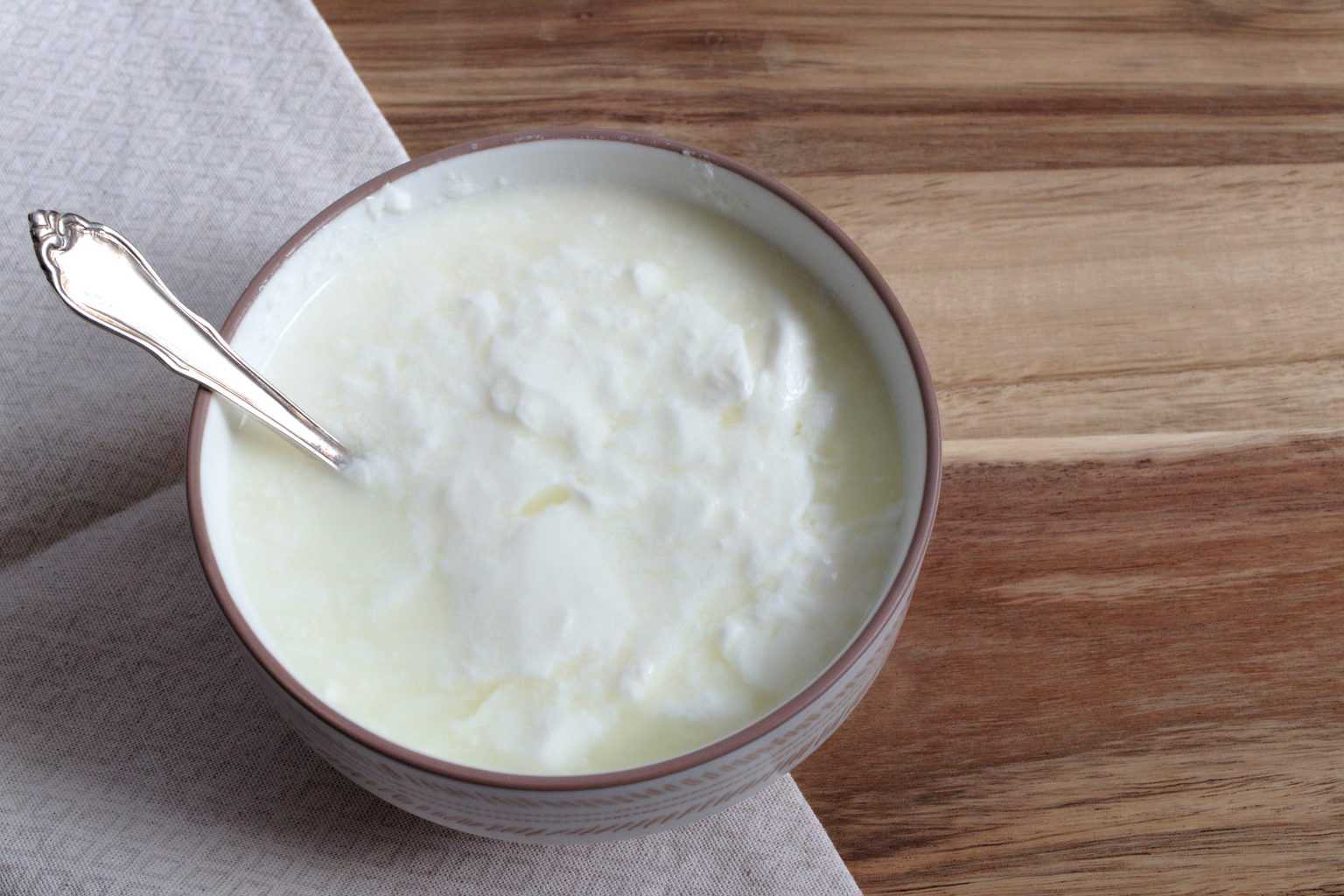
Homemade yogurt is healthy and full of those beneficial probiotics. We have yogurt for breakfast muesli, lassi an Indian yogurt drink and for lunch too. Learn how to make yogurt from organic raw milk without any fancy tools or set up.
Lacto Fermented Tomato Pickles Recipe
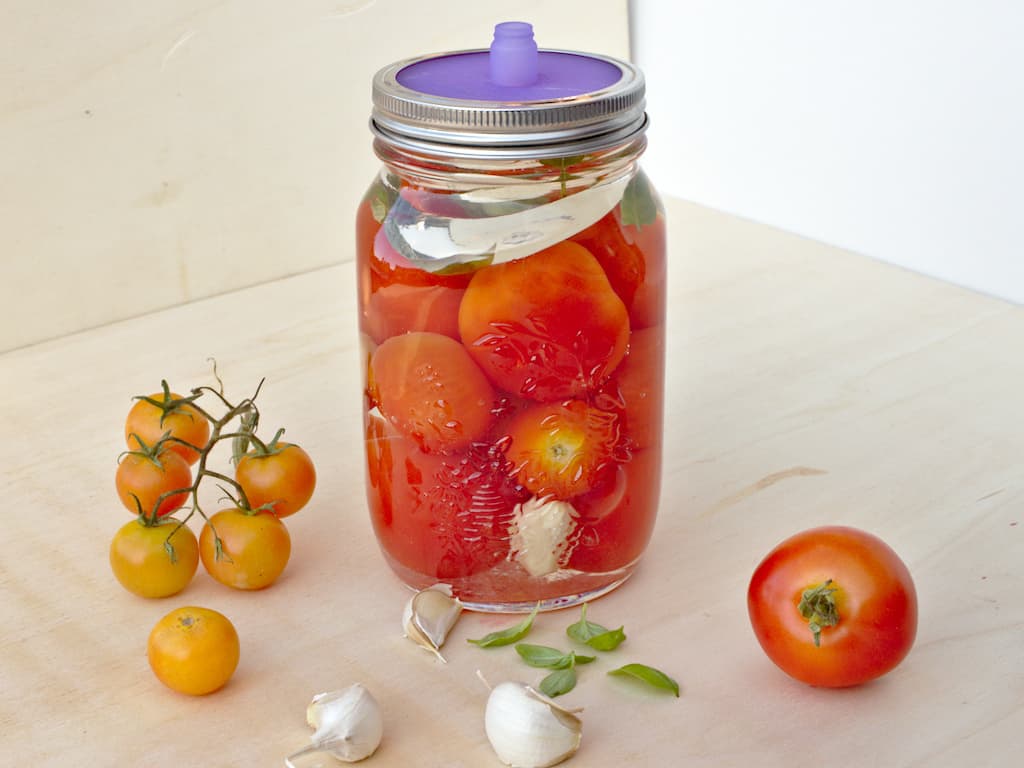
This Lacto Fermented Tomato Pickles Recipe with basil and garlic is easy to make with any kind of tomatoes. The lacto-fermentation process are rich in probiotics and are good for gut health.
Homemade Fermented Hot Sauce
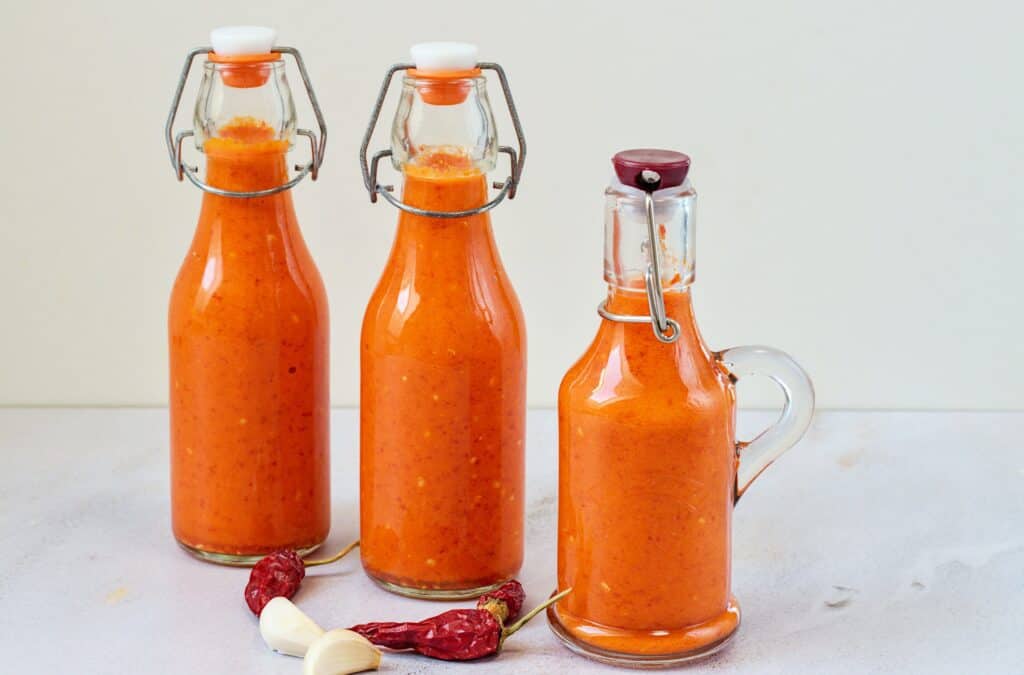
Making homemade fermented hot sauce is easy. The spicy and tangy taste will give that extra kick you want to any dish of your choice. What is more, this delicious lacto fermented hot sauce gives you the added benefits of healthy probiotics too.
Easy Homemade Fermented Pickles
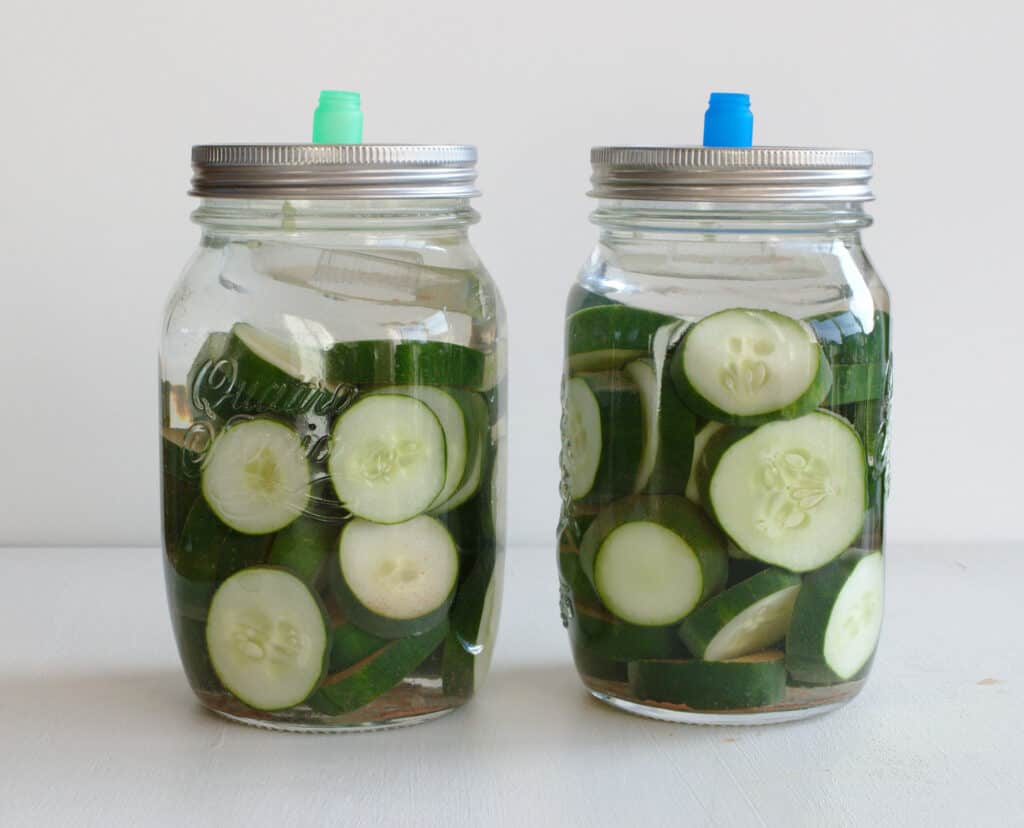
Making homemade fermented pickles are that easy and its no rocket science. Whats more you get your daily dose of probiotic, a must for a healthy gut. Learn how to make fermented pickles at home with the minimum of ingredients and tools.
How to make Sauerkraut at Home
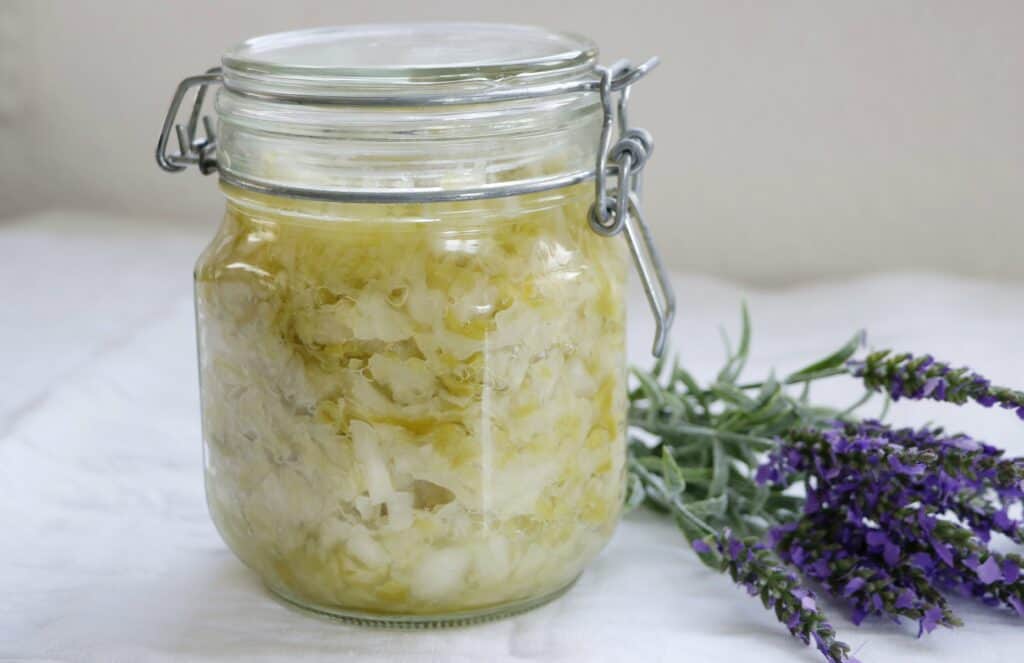
How to make Sauerkraut at Home Ingredients Cooking Instructions Jump to Recipe How to make Sauerkraut : A step by step process Since, we had a good harvest of the cabbages in July from our spring planting, I couldn’t always cook cabbages. So I had to find other ways to use the abundance of our garden produce. The best way to preserve this summer abundance for the winter would be by learning how to make Sauerkraut. My husband on the other hand is used to eating sauerkraut. He knew how to make it from his mother by watching her as a kid. My mother-in-law had a vegetable garden and those days they had no supermarkets which sold all year around fresh cabbages or other exotic foods. So what ever they harvested from the summer garden they use to preserve for winter. Table of Contents Health Benefits of Sauerkraut All my life I have been eating fermented food as the proof of it is in my gut. I have a healthy gut flora and digestion. Sauerkraut is a good source of pro- biotic , due to its fermentation is very important for your gut. The fiber and supply of pro-biotics improve digestion and promote the growth of healthy bowel flora, protecting against many diseases of the digestive tract. You can look up at the health benefits of eating fermented foods here, Health benefits of fermenting Ingredients List Recipe for 1 kg of cabbages This is what we came across out after much researching on the internet. You can tweak this recipe according to the amount of cabbage you have at hand. You can watch the video by clicking. Scroll down for the printable version of the recipe. White Cabbages after removing the outer leaves: 1 kg Himalaya pink salt ( best to use non-flouridated salt) : 10 gm Whole coriander: 1 teaspoon Whole black pepper: 1 teaspoon Cooking Instructions Halve the Cabbages and remove the outer leaves. Save up the leaves as you will need them later. Remove the hard stem from the center by quartering the cabbages. Grate them with a food processor or a hand grater. If you have not much quantity and just want to do 1 cabbage, you can cut them thinly too. In a large bowl add all the grated cabbages and add the salt and crush the cabbages to extract the juice. The cabbages will be preserved in its own juice. You don’t need to wash the cabbages, just remove out the outer leaves. As washing the cabbages can destroy the good bacteria. When the cabbages are crushed enough and its oozing with its juices. Add the spices and mix well. Fill the grated cabbages into sterilized dry glass jars. Cover the grated cabbages with the outer leaves you saved up earlier. Make sure that the cabbage is covered in its own juices. In case there isn’t enough, just add some boiled and cooled salt water to it. The cabbage, the outer leaves should be covered with the liquid. Add a sterilized stone or a small glass cup to fit into the jar and seal the jars. The stone helps in keeping the cabbages covered in the juices. Close the jars and keep it at room temperature for about 8 to 10 days and then transfer the jars to a cooler place like your cellar. Don’t open the jars at this stage. You can set the jars in a bowl as when the fermenting takes place the liquid may flow out of the jars. Recipe Card Pin Print How to make Sauerkraut at Home Servings 4 servingsPrep time 30 minutesCooking time 40 minutesCalories 300 kcal Ingredients 1 Kg white cabbages after removing the outer leaves 10 gm Himalaya pink salt ( best to use non-flouridated salt) 1 tsp whole coriander 1 tsp whole black pepper Directions Halve the Cabbages and remove the outer leaves. Save up the leaves as you will need them later. Remove the hard stem from the center by quartering the cabbages. Grate them with a food processor or a hand grater. If you have not much quantity and just want to do 1 cabbage, you can cut them thinly too. In a large bowl add all the grated cabbages and add the salt and crush the cabbages to extract the juice. The cabbages will be preserved in its own juice. You don’t need to wash the cabbages, just remove out the outer leaves. As washing the cabbages can destroy the good bacteria. When the cabbages are crushed enough and its oozing with its juices. Add the spices and mix well. Fill the grated cabbages into sterilized dry glass jars. Cover the grated cabbages with the outer leaves you saved up earlier. Make sure that the cabbage is covered in its own juices. In case there isn’t enough, just add some boiled and cooled salt water to it. The cabbage, the outer leaves should be covered with the liquid. Add a sterilized stone or a small glass cup to fit into the jar and seal the jars. The stone helps in keeping the cabbages covered in the juices. Close the jars and keep it at room temperature for about 8 to 10 days and then transfer the jars to a cooler place like your cellar. Don’t open the jars at this stage. You can set the jars in a bowl as when the fermenting takes place the liquid may flow out of the jars. Frequently Asked Questions Accordion Tab Title 1 Click edit button to change this text. Lorem ipsum dolor sit amet, consectetur adipiscing elit. Ut elit tellus, luctus nec ullamcorper mattis, pulvinar dapibus leo. Accordion Tab Title 2 Click edit button to change this text. Lorem ipsum dolor sit amet, consectetur adipiscing elit. Ut elit tellus, luctus nec ullamcorper mattis, pulvinar dapibus leo. Accordion Tab Title 3 Click edit button to change this text. Lorem ipsum dolor sit amet, consectetur adipiscing elit. Ut elit tellus, luctus nec ullamcorper mattis, pulvinar dapibus leo. Leave a ReplyPlease enable JavaScript in your