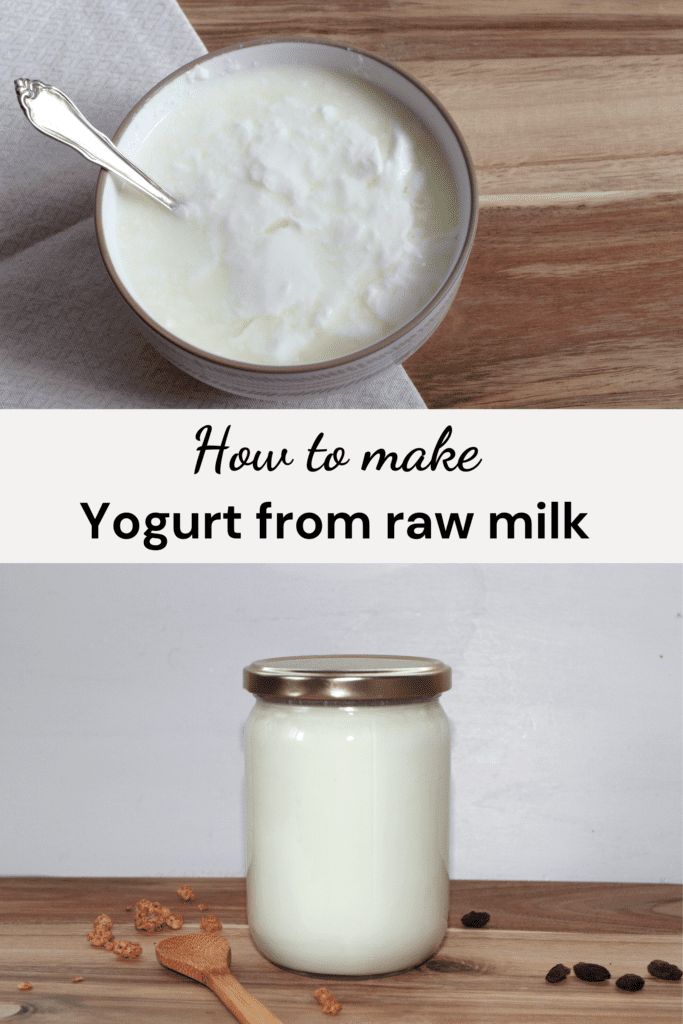
How to make Yogurt from raw milk
Disclosure: This post contains affiliate links, meaning, at no additional cost to you, we will earn a small commission if you click through and make a purchase. Learn more
- Home
- Recipes
- Fermented Food
- How to make Yogurt from raw milk
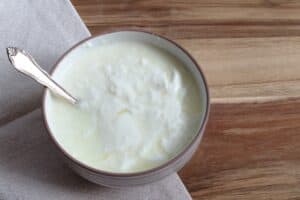
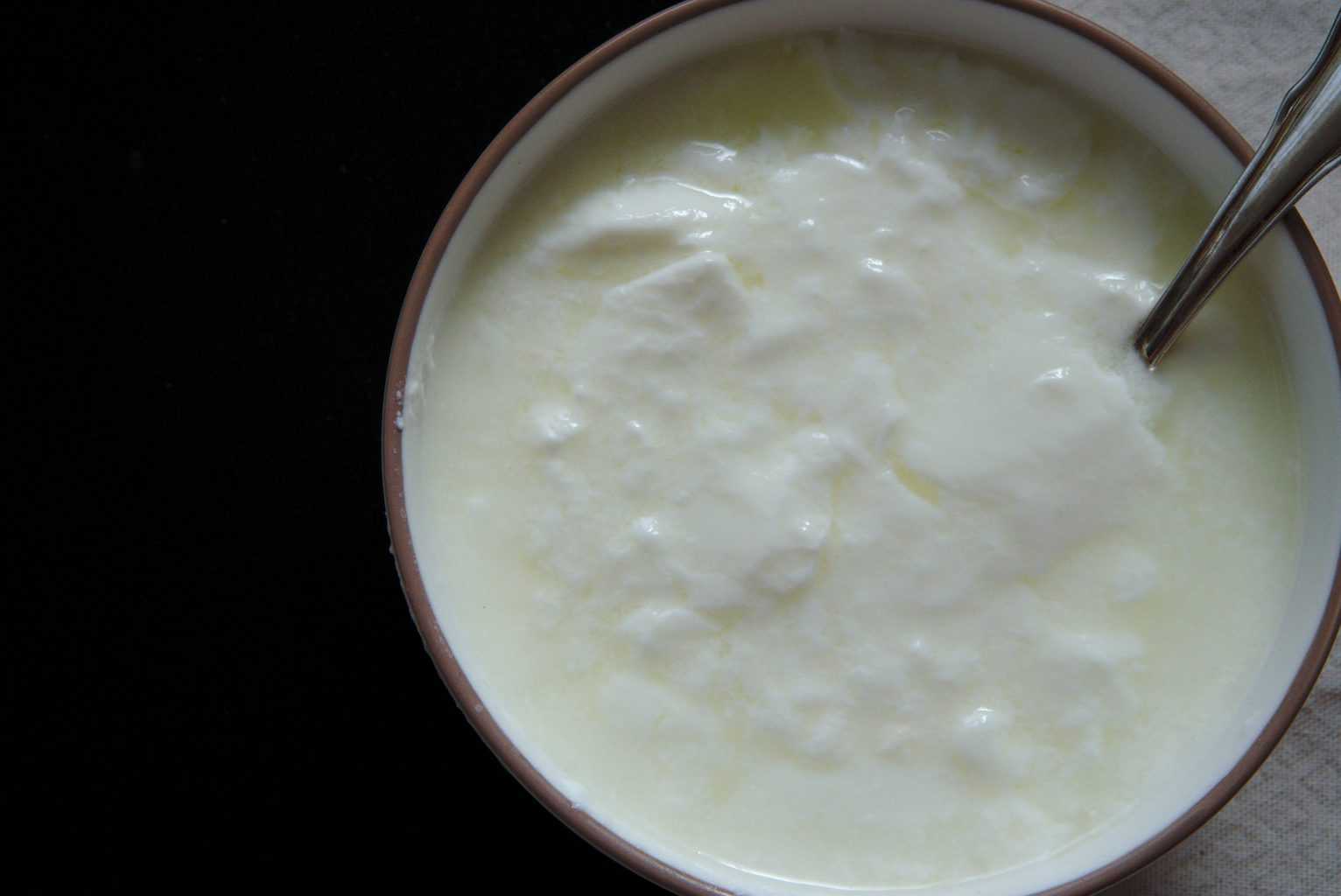
Homemade yogurt is healthy, full of beneficial probiotics, and easier to make than you’d think — no fancy tools needed, just raw milk and a starter culture.
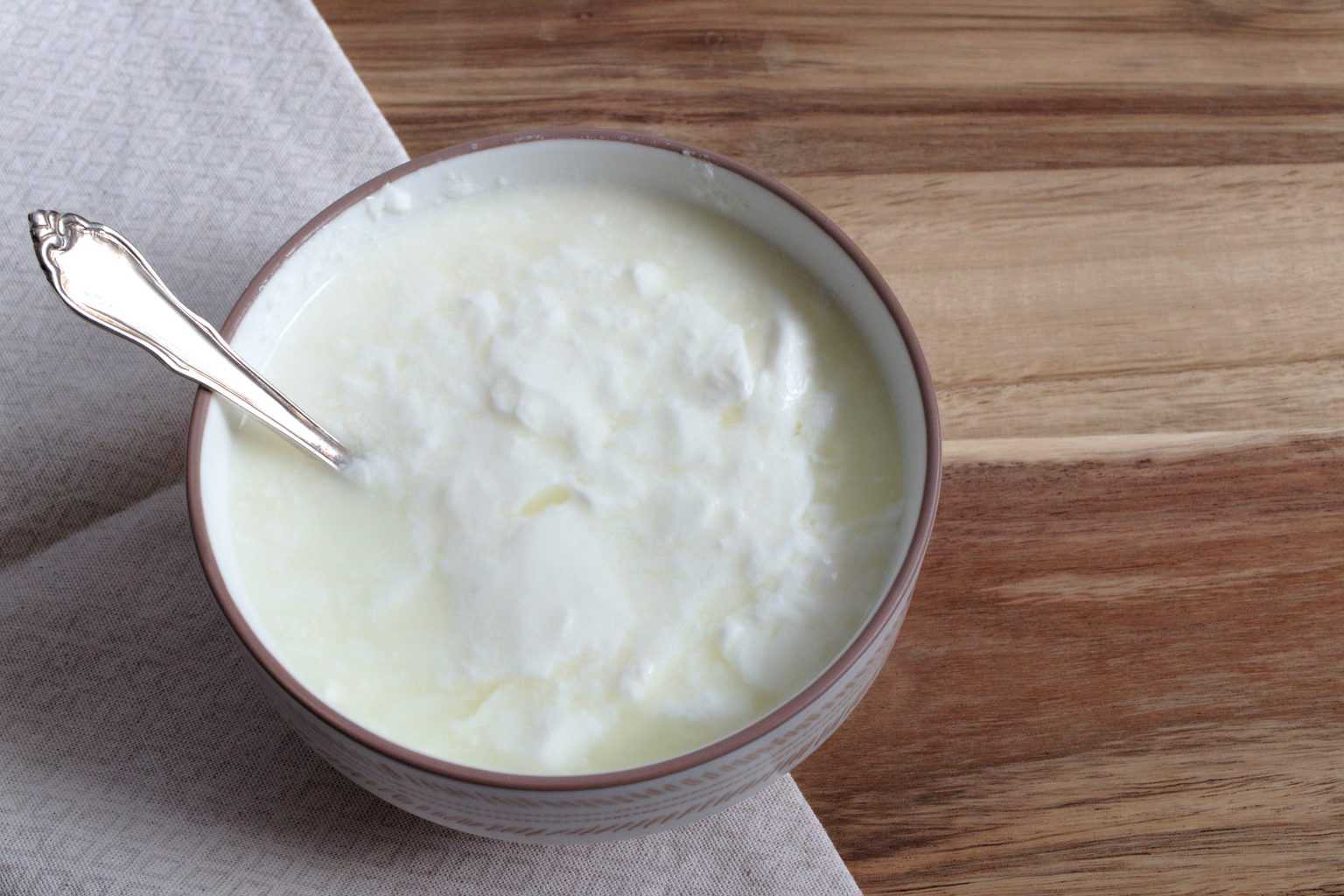
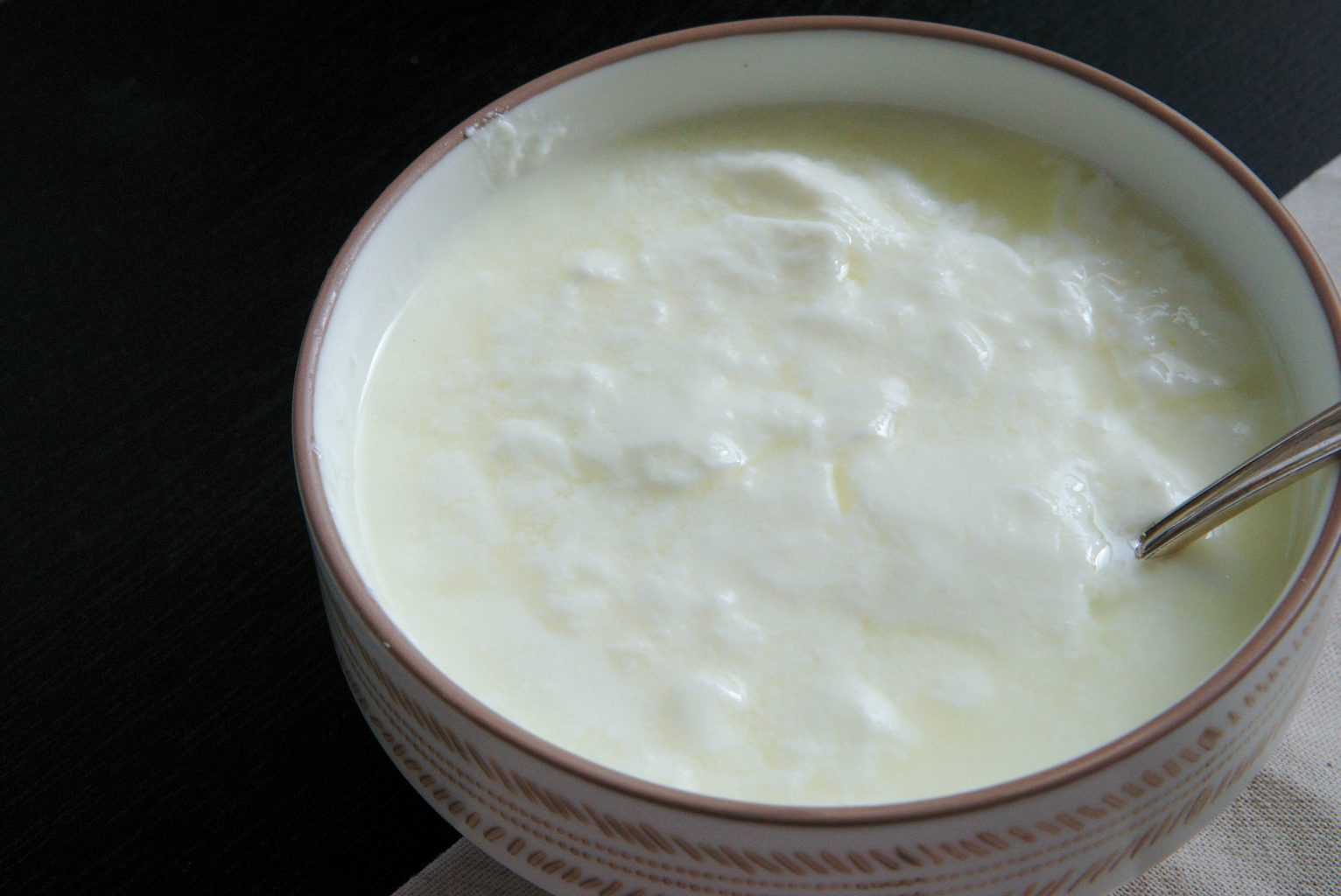
Homemade yogurt is healthy and full of those beneficial probiotics. We have yogurt for breakfast muesli, lassi an Indian yogurt drink and for lunch too. Learn how to make yogurt from organic raw milk without any fancy tools or set up.
Table of Contents
Why Make Your Own Yogurt?
Homemade yogurt has been part of this recipe’s history since childhood — learning to keep the milk at the right temperature and add the culture, saving a little starter from each batch to use again and again. Yogurt was a must at meals, especially at the end of lunch — according to Ayurveda, eating yogurt at the end of a meal helps close up the stomach to prepare for digestion, and it’s satiating too.
What Is Yogurt Starter Culture?
You’ll need live lactic acid bacteria to make yogurt. The starter turns lactose into yogurt through fermentation, using beneficial bacteria such as Lactobacillus bulgaricus and Streptococcus thermophilus. Depending on how the yogurt is made and what kind of milk is used, the result can have different flavors, textures, and strains of good bacteria.
Tools you may need
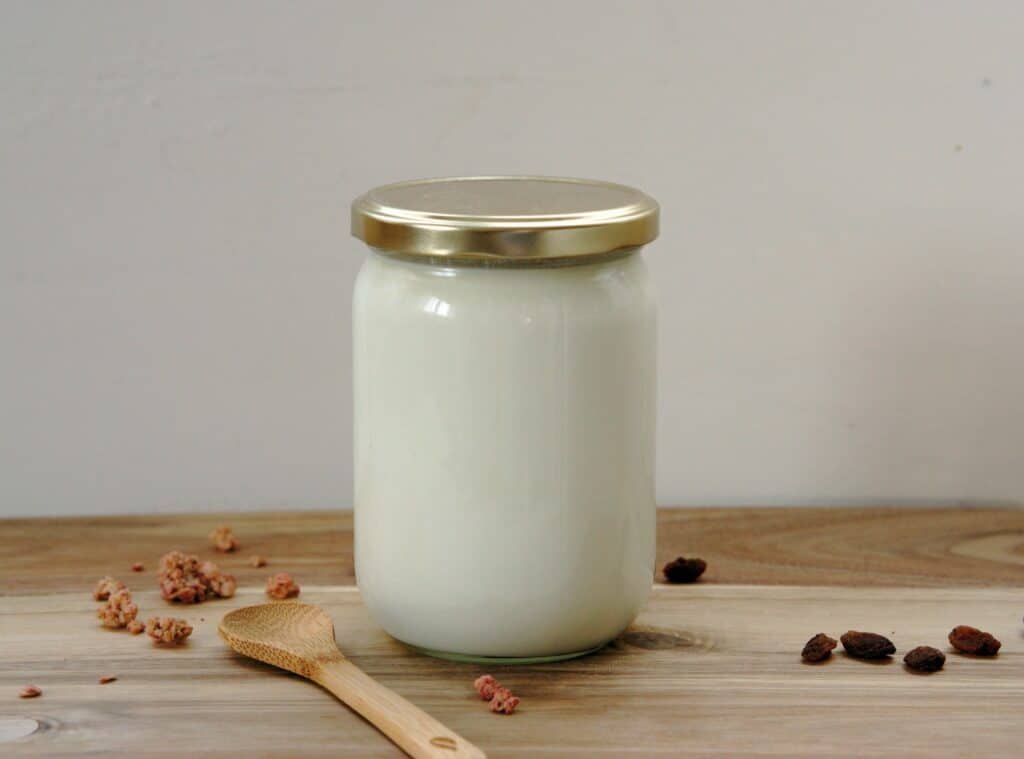
- A clean, sterilized glass jar (500ml works well)
- A pot for boiling the milk
- An oven or a warming drawer to hold a steady temperature
How to Make Yogurt from Raw Milk?
Ingredients List
- 1 liter milk (raw, if you can get it)
- 4 tablespoons yogurt starter culture
Cooking Instructions
Heat the Milk:
Boil the milk well in a clean pot, then let it cool until you can do the finger test — it shouldn’t burn your finger, but shouldn’t be too cold either, just lukewarm or slightly more, or the culture won’t work.
Add the Culture:
Add 2–3 teaspoons of good, fresh starter culture into a clean, dried glass jar and mix in the milk.
Keep it Warm:
Mix well, close the lid, and keep the jar in a warm spot — a pre-heated oven (heated to about 60–70°C, then cooled for 5–10 minutes) or a warming drawer set to about 40°C both work well. Gentle heat keeps the live culture intact.
Let it Ferment:
Leave it undisturbed for about 8 hours. Once done, use immediately or store in the fridge in an airtight glass jar.
Chill and Store:
Storing in the fridge sets the yogurt a little so it’s less runny. As long as there are no power fluctuations, it will keep for up to 3 weeks or more — it’s still fine to eat as long as it doesn’t smell bad or rot.
Serving Suggestions
Yogurt is the main ingredient in Swiss muesli, and it’s also great in:
Smoothies: blend it in for a creamy, tangy base.
Curries: stir it through for richness.
Lassi: dilute with water, add a pinch of salt, and serve as a cooling drink.
Tips for the Perfect Yogurt
Use fresh milk: milk older than 3 days can produce a stringy yogurt.
Watch the temperature: a stringy consistency can also come from the wrong fermenting temperature.
Some liquid on top is normal: that’s just whey separating from the milk — you can pour it off or stir it back in.
Any active culture works: just make sure it’s a live, active starter.
Making Yogurt in Different Climates
Warm climates make this easy — you can ferment yogurt right on the kitchen counter, usually in about 4 hours. In colder climates, it typically takes 6 to 8 hours, sometimes up to 10–12, using a warm oven or a warming drawer set to a steady temperature (around 40°C) to keep the culture multiplying without overheating it.
When to Avoid Eating Yogurt
According to Ayurveda, yogurt is best eaten only when the sun is shining, and avoided at night. It’s considered mucous-forming, so it’s best skipped when you’re sick with a fever, cold, or cough. Yogurt can also increase acidity — diluting it with water, adding a little salt, and serving it as lassi (buttermilk) makes it easier to digest, and spicing it with ginger and fresh green chillies can help avoid mucous formation too.
Health Benefits of Yogurt
There are many health benefits to eating yogurt. It’s now widely accepted that the good bacteria in yogurt help heal the gut and keep the digestive system healthy — fermented foods are one of the easiest ways to add these beneficial bacteria to your diet. Many ancient cultures have included yogurt in their diet for thousands of years.
Watch the Video
Recipe Card
How to Make Yogurt from Raw Milk
5 Stars 4 Stars 3 Stars 2 Stars 1 Star
No reviews
- Total Time: 630
- Yield: 10 servings 1x
- Diet: Vegetarian
Description
A simple, traditional way to make yogurt at home from raw milk and a live starter culture — no fancy equipment needed.
Ingredients
- 1 liter milk (raw, if available)
- 4 tablespoons yogurt starter culture
Instructions
-
Heat the Milk:
Boil the milk well in a clean pot, then let it cool until you can do the finger test — it shouldn’t burn your finger, but shouldn’t be too cold either, just lukewarm or slightly more, or the culture won’t work.
-
Add the Culture:
Add 2–3 teaspoons of good, fresh starter culture into a clean, dried glass jar and mix in the milk.
-
Keep it Warm:
Mix well, close the lid, and keep the jar in a warm spot — a pre-heated oven (heated to about 60–70°C, then cooled for 5–10 minutes) or a warming drawer set to about 40°C both work well. Gentle heat keeps the live culture intact.
-
Let it Ferment:
Leave it undisturbed for about 8 hours. Once done, use immediately or store in the fridge in an airtight glass jar.
-
Chill and Store:
Storing in the fridge sets the yogurt a little so it’s less runny. As long as there are no power fluctuations, it will keep for up to 3 weeks or more — it’s still fine to eat as long as it doesn’t smell bad or rot.
Notes
Storing in the fridge sets the yogurt and makes it less runny. It will keep for up to 3 weeks or more as long as there are no power fluctuations, and it’s fine to eat as long as it doesn’t smell bad or spoil.
- Prep Time: 600
- Cook Time: 30
- Category: Fermented Food
Nutrition
- Serving Size: 10
- Calories: 125
- Fat: 5

Your feedback is valuable
If you try this recipe and love it, I would love if you come back and gave it 5 stars! Thank you so much for visiting Vital Fair Living – we’re so happy you’re here! I would love it if you can share this recipe using the social media buttons you see next to the post.
Frequently Asked Questions
For a 500ml jar, about 2 tablespoons of starter culture works well. Place the starter in a clean, sterilized glass jar first, then add the warm milk and mix it in.
You can save a little from each fresh batch to start the next one — this can keep a starter going for months, sometimes up to 6. If a batch doesn’t turn out well, it’s time to switch to a fresh starter culture.
In a warm climate, yogurt can ferment on the counter in about 4 hours. In a colder climate, it usually takes 6 to 8 hours, sometimes up to 10–12, using gentle warmth from an oven or warming drawer.