How to grow and store Potatoes
Disclosure: This post contains affiliate links, meaning, at no additional cost to you, we will earn a small commission if you click through and make a purchase. Learn more
Potatoes are a staple in so many cuisines, and getting the most out of them starts with knowing how to grow, harvest, and store them properly.
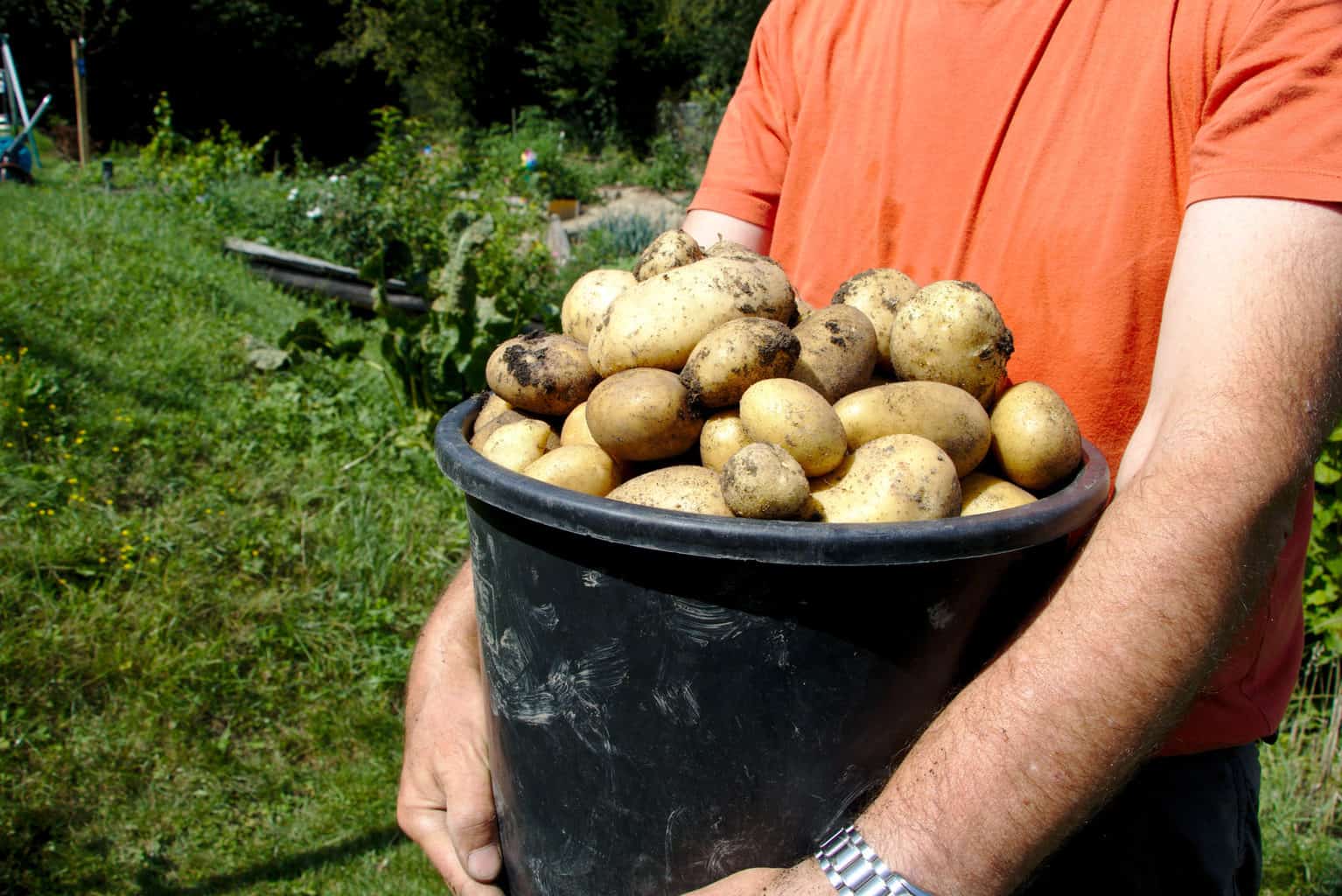
Potatoes are a staple ingredient in many cultures, and their versatility means they show up in countless dishes. These are tips on how to grow, harvest and store potatoes optimally to get the most out of this vegetable.
Spring is in the air, with the planting season not far off. Right now, though, the weather is still below zero after days of frozen snow in the garden, with the ground and frozen lakes slowly beginning to thaw. Days like this call for warm soups and staying indoors, but that hasn’t stopped outdoor activities like skiing, trekking through the local woods, and mentally planning the spring garden along the way.
Garden plans are already being drawn up, with as much as possible planted from heirloom seeds this year. Potatoes are a bit different though, and this post covers tips on growing and storing them for anyone new to gardening.
Table of Contents
1. Sowing Potatoes
Potatoes are grown from specially prepared ‘seed’ potatoes, or tubers, available from a garden center by late winter, or started indoors by letting them sprout. Ready-to-plant tubers work too — leftover potatoes from the cellar that had already started sprouting have been used successfully in past seasons.
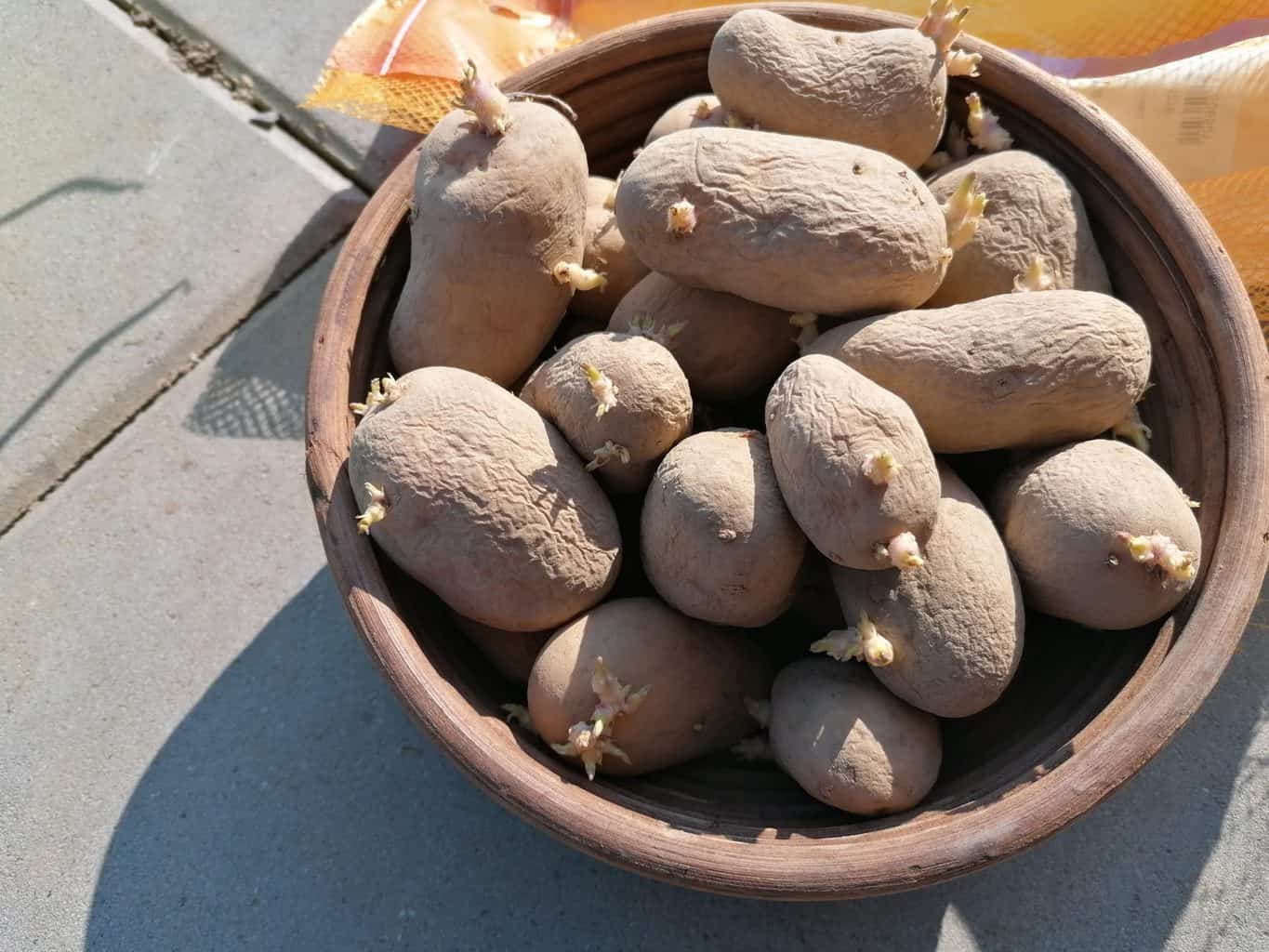
If planting before spring, it helps to chit the potatoes first — letting them start sprouting ahead of planting.
How to Prepare the Potatoes Before Planting
Stand the potatoes rose end up (the end with the most small dents, or eyes) in egg boxes or trays, somewhere light and frost-free. They’re ready to plant once the shoots reach about 3cm long. For early potatoes, rub off the weakest shoots, leaving four per tuber before planting.
How to Plant Potatoes
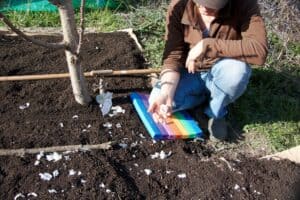
Plant in a sunny spot. Prepare the ground the previous autumn or winter, covering the plot with plenty of organic matter like garden compost or well-rotted manure, since potatoes need nitrogen-rich soil.
Planting time depends on the variety: first earlies around late March, second earlies from early to mid-April, and maincrops from mid to late April. For most Northern European countries, planting a little later works best — about 3 weeks before Easter is a good target, though spring can still bring frost and snow even once the ground has thawed, so shoots need protecting from any late frost.
Traditionally, potatoes go into a narrow trench about 12cm deep. Space tubers 30cm apart for earlies and 37cm for maincrops, with rows 60cm apart for earlies and 75cm for maincrops.
Disclosure: This post contains an affiliate link, for which a small commission is earned at no extra cost to you. A long-handled weed fork is used for gently digging up the potatoes at harvest time.
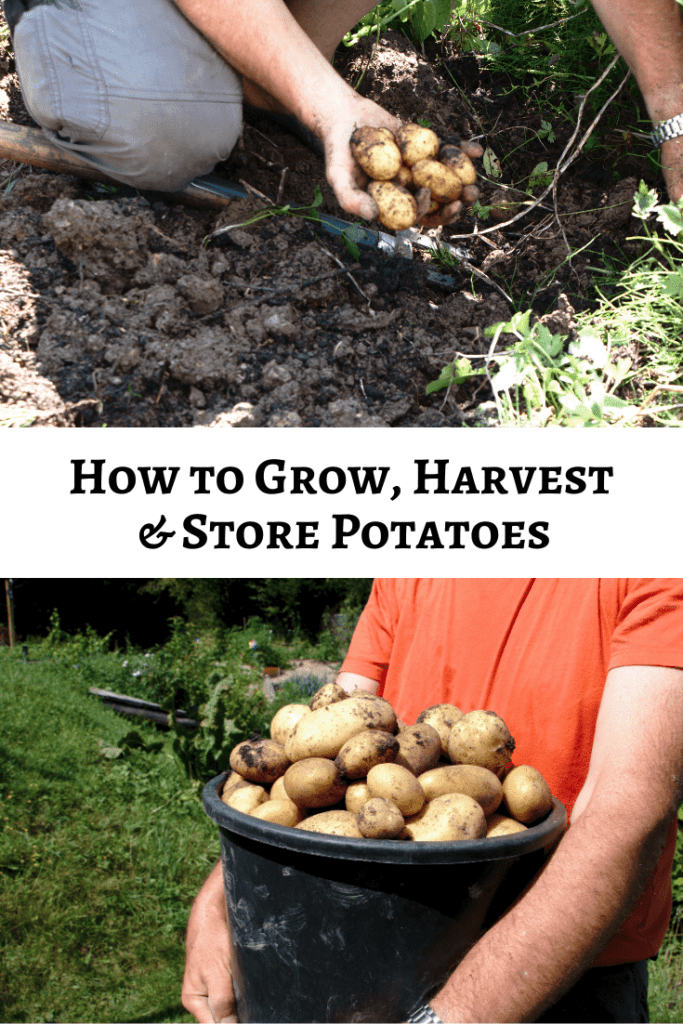
How to Grow, Earth Up, Harvest, and Store Potatoes
Supplies List
- Seed potatoes (chitted)
- Organic compost or well-rotted manure
- Long-handled weed fork
- Wooden crates or jute bags, for storage
Instructions
Earth Up the Plants:
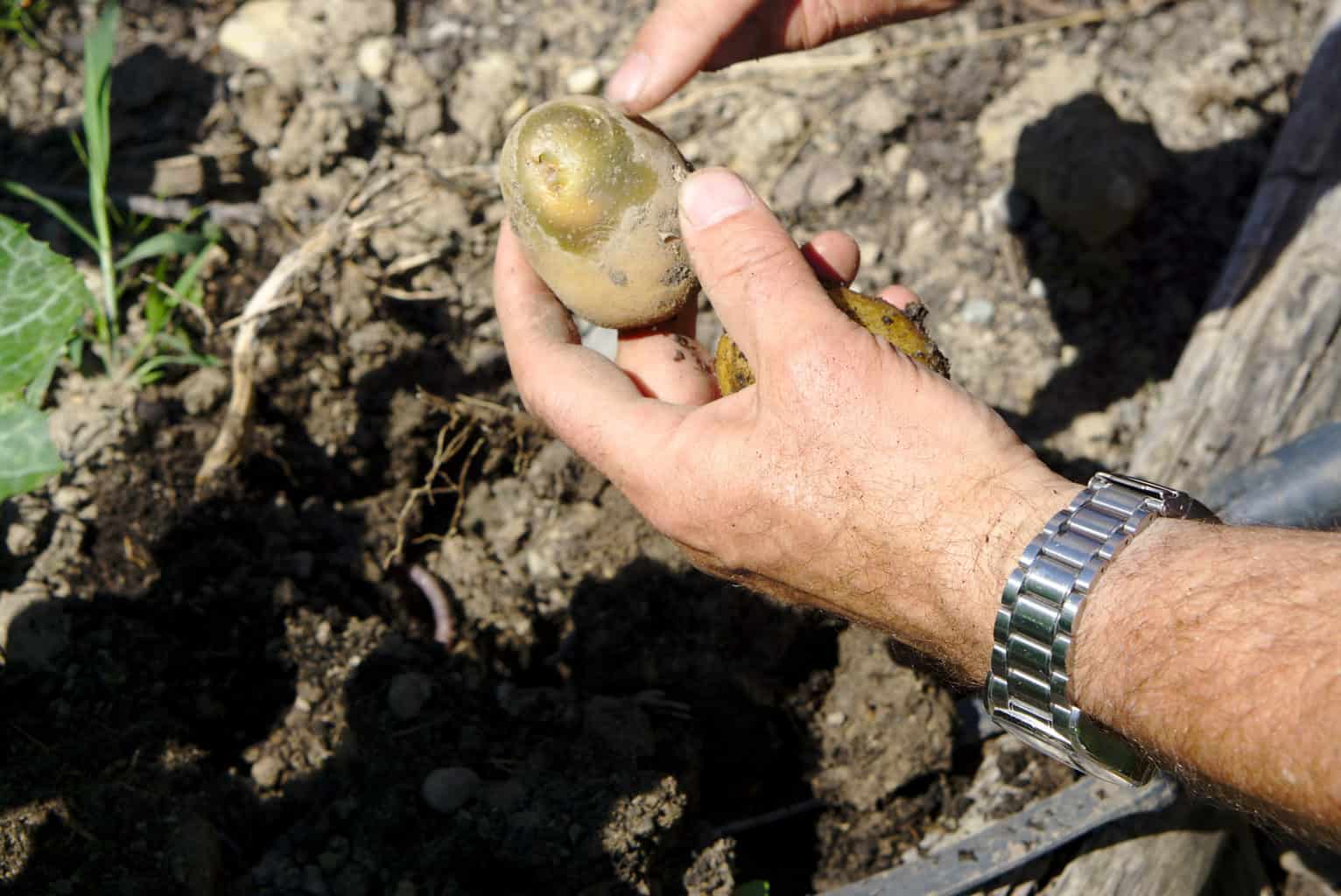
As potato plants grow, they need ‘earthing up’ — protecting early shoots from frost and keeping developing potatoes shielded from light, since exposure turns them green, and green potatoes are poisonous. Once stems reach about 23cm tall, draw soil up around them into a mound about 15cm high, repeating as the stems keep growing until the mound reaches a final height of 20 to 30cm.
Water and Feed:
Water well during dry weather, especially once the tubers start forming. For a maincrop, add a nitrogen-rich fertilizer during the second earthing up.
Harvest at the Right Time:
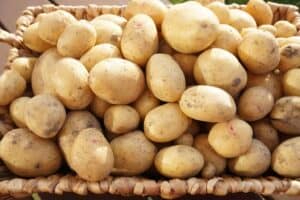
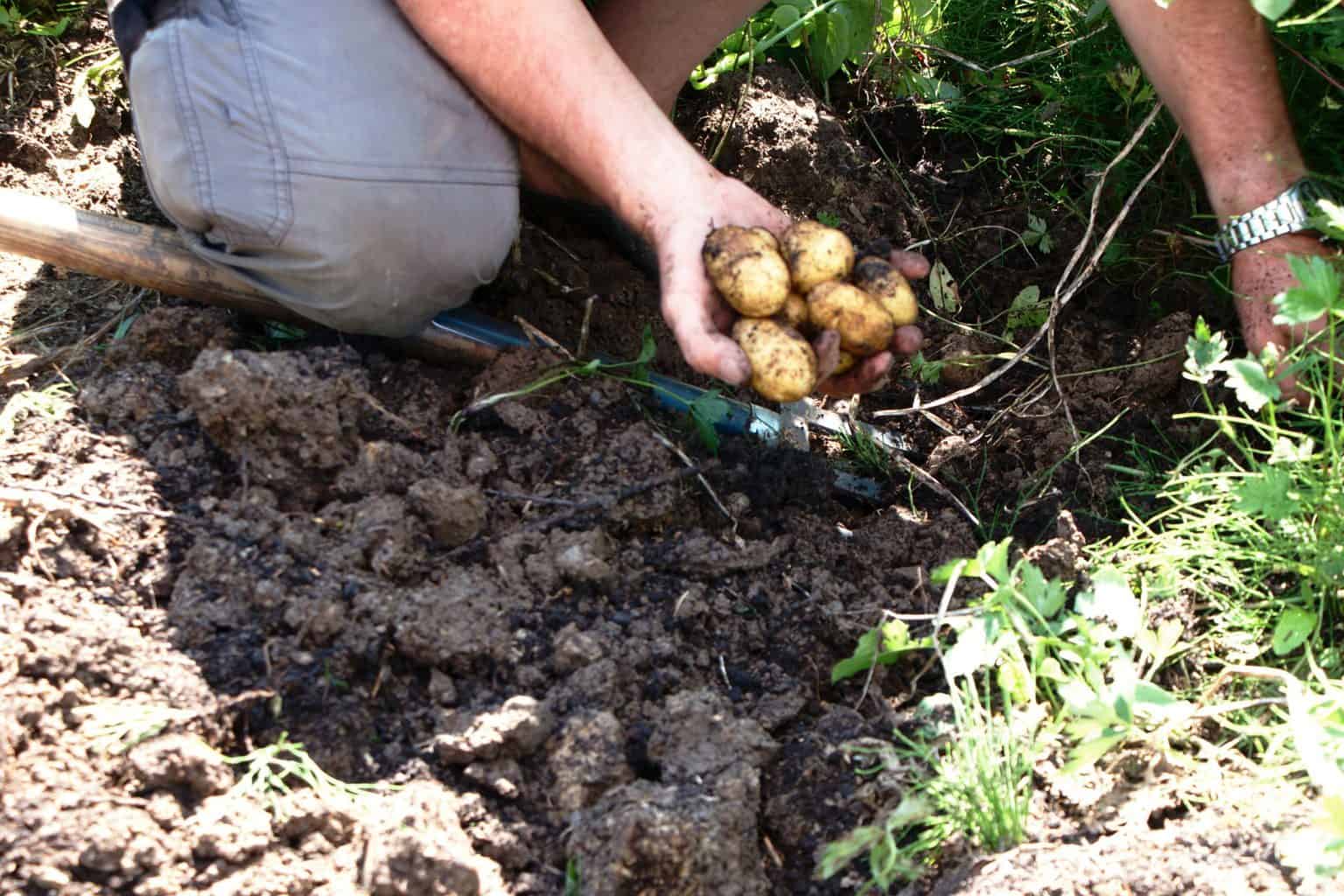
First earlies are usually ready by June and July, second earlies in July and August, and maincrops from late August through October. For potatoes meant for storage, waiting until August works well — once the foliage turns yellow, cut it down and remove it, then wait about 2 weeks before harvesting. Use a long-handled weed fork to gently dig the potatoes out of the ground, and let them dry for a few hours before storing.
Store Properly:
Brush off all the earth (unwashed potatoes keep longer) and store in wooden crates or jute bags, somewhere cool, dry, and dark. Keep potatoes well away from onions, apples, and garlic, since these accelerate ripening and cause potatoes to soften and sprout roots — a DIY vegetable rack in the cellar was built specifically to solve this.
Common Potato Problems
A few common problems worth watching for in a potato harvest: potato blight, blackleg, scab, and potato rot. Address these as early as possible if there’s still a chance to save the crop — a topic detailed enough to deserve its own post down the line.
Top Tips for Growing Potatoes
Rotate the plot: avoid planting potatoes in the same spot every year — leave a gap of at least 2 years before reusing the same patch.
Watch for disease: keep an eye out for common potato diseases and address them early.
Short on space? potatoes can be grown in plastic bags or potato towers if a garden bed isn’t available.
Types of Peppers you can use
While jalapeños are the most commonly used pepper for hot pepper jelly, you can experiment with other types to customize the flavor and heat level:
Jalapeños: Mild to medium heat, widely available.
Serranos: Slightly hotter than jalapeños, with a bright, fresh flavor.
Habaneros: Very hot, with a fruity undertone.
Bell Peppers: No heat, but adds color and sweetness. Mixing different peppers can create a unique balance of flavors and colors.
Flavor Variations of Sweet and Hot Pepper Jelly
Although, the basic recipe is delicious, you can experiment with different ingredients to create unique flavor profiles:
Fruit Additions: Try adding crushed pineapple, mango, or apricots for a fruity twist.
Herbs: Fresh herbs like rosemary or thyme can add an aromatic depth.
Spices: Add a pinch of cinnamon, cloves, or allspice for a warm spicy note.
Waiting Out the Last of Winter
Even in the depths of a below-freezing, snow-covered garden, spring planning has its own rewards — skiing, treks through the local woods, and sketching out a heirloom-heavy garden plan for the season ahead, all while waiting for the ground to properly thaw.
Watch the Video
Your feedback is valuable
I hope this post on how to grow and store potatoes was useful. Do you have some feedback you’d like to share? Leave a note in the comment section below! Thank you so much for visiting Vital Fair Living – we’re so happy you’re here! and thanks for taking the time to read this post. I would love it if you can share this post using the social media buttons.
Frequently Asked Questions
Earthing up protects early shoots from frost and keeps developing potatoes shielded from light — exposure to light turns potatoes green, and green potatoes are poisonous.
Onions, apples, and garlic all accelerate ripening, which causes stored potatoes to soften and start sprouting roots sooner than they otherwise would.
At least 2 years — avoid planting potatoes in the same plot every year to help prevent soil-borne disease from building up.