Disclosure: This post contains affiliate links, meaning, at no additional cost to you, we will earn a small commission if you click through and make a purchase. Learn more
Summer is the time of abundance for seasonal fruits and berries — here are my 6 easy homemade jam recipes you can make while everything is in season.
Summer is the time of abundance for seasonal fruits and berries. In this post, I’m sharing my 6 easy homemade jam recipes that you can prepare easily.
Homemade and cooking from scratch is the buzzword nowadays, as more of us turn to cooking from scratch in the name of better health. I won’t claim jam is exactly healthy in this post — it’s more of a comfort food — but everything in moderation is the key. My husband is probably the only one who eats jam with his toast regularly, though I enjoy the occasional jam on toast too.
I’ve been making jams for many years, with recipes passed around from family and friends long before I started reading blogs. Jam making is simple, and you can’t go far wrong if you follow some basic tips and tricks — the techniques go back decades, even centuries, and not much has changed when it comes to the basics.
Table of Contents
Why I Make My Own Jams
During summer, certain perennial fruits and berries fruit in abundance, and they taste best when they ripen right on the plant. Since we can’t eat all of it at once, I cook the extra into jams. I prefer making jam with the excess fresh fruit rather than freezing it — freezing needs electricity, which isn’t the most economical option, and nothing beats the taste of freshly picked, ripe fruit. There’s also the occasional risk of power failures to consider.
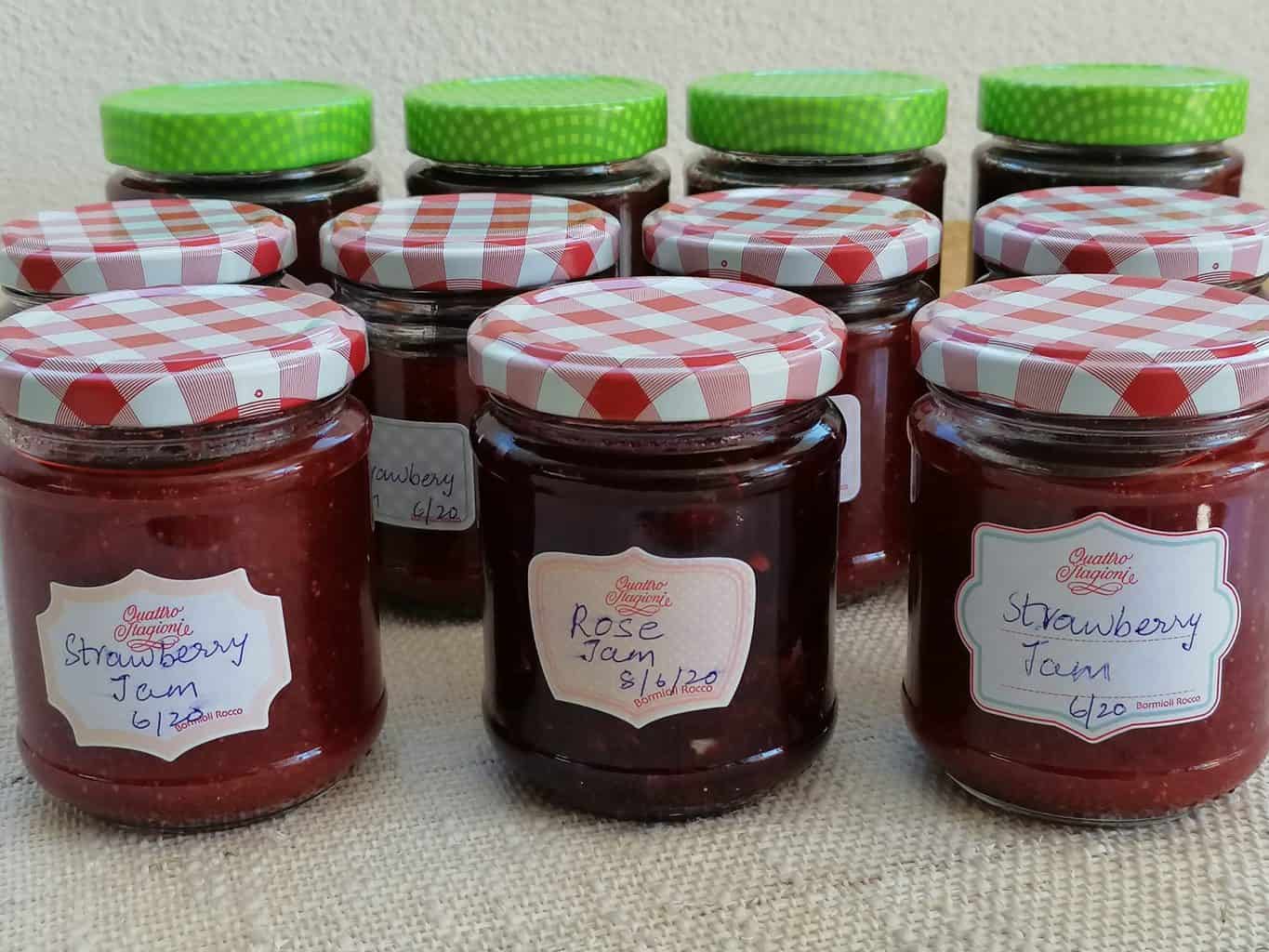
This way, I get to preserve the fruit for winter, if only in a jar — and homemade jam makes a lovely addition to Christmas baskets. It also saves money, since organic store-bought jam tends to be more expensive, and I know exactly what’s gone into it — no preservatives needed, since sugar does that job here. I also get to reuse and recycle the jam jars, which is another small win.
Making Homemade Jams
I’ve been making jams for many years, with recipes passed around from family and friends long before I started reading blogs. Jam making is simple, and you can’t go far wrong if you follow some basic tips and tricks — the techniques go back decades, even centuries, and not much has changed when it comes to the basics.
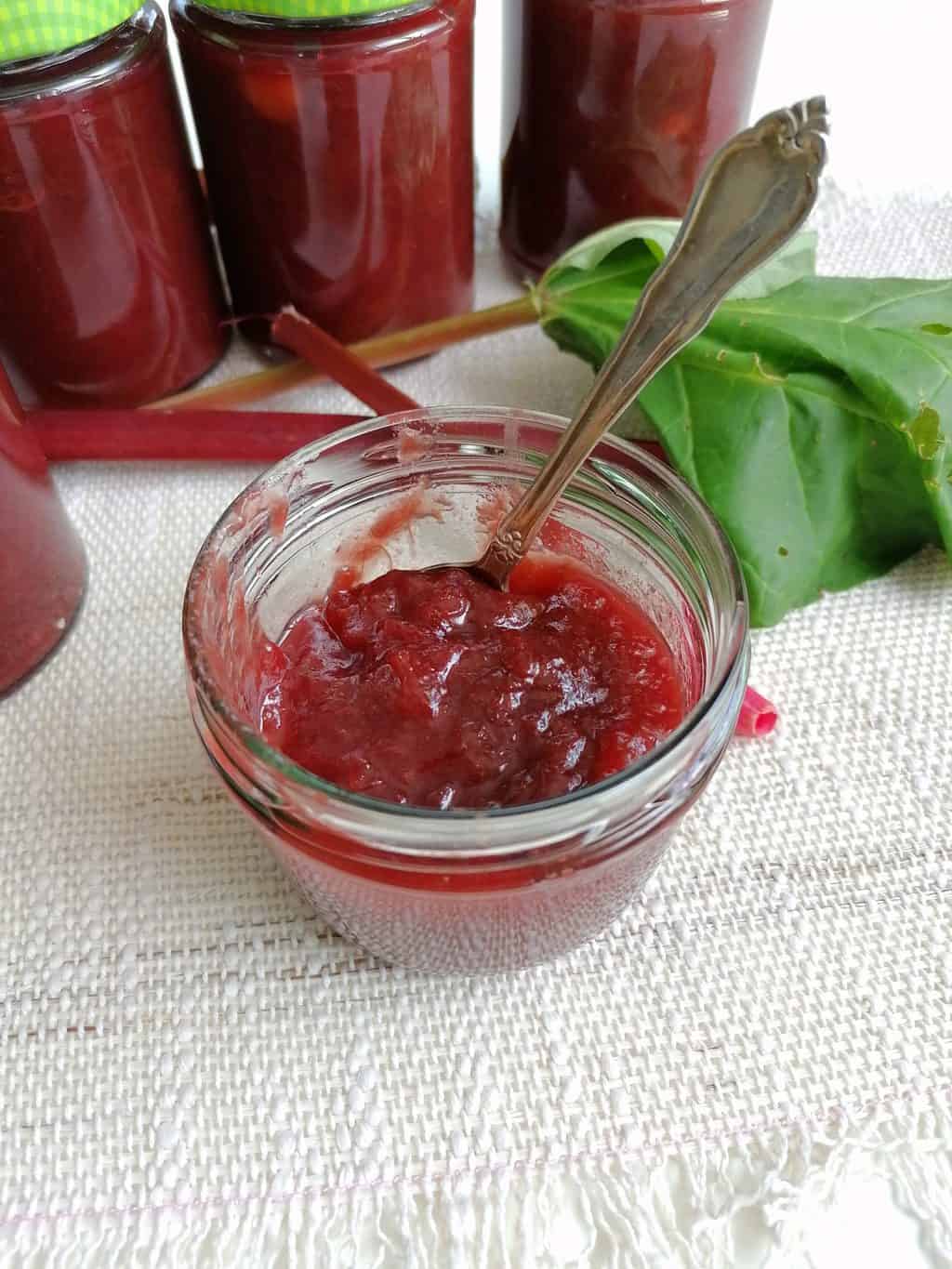
This is the first jam of the year, since rhubarb is the first garden harvest, picked between mid-May and early June. Rhubarb ginger jam is a hot favorite with my husband and our friends — we don’t have many rhubarb plants, but it’s enough for a few jars each year.
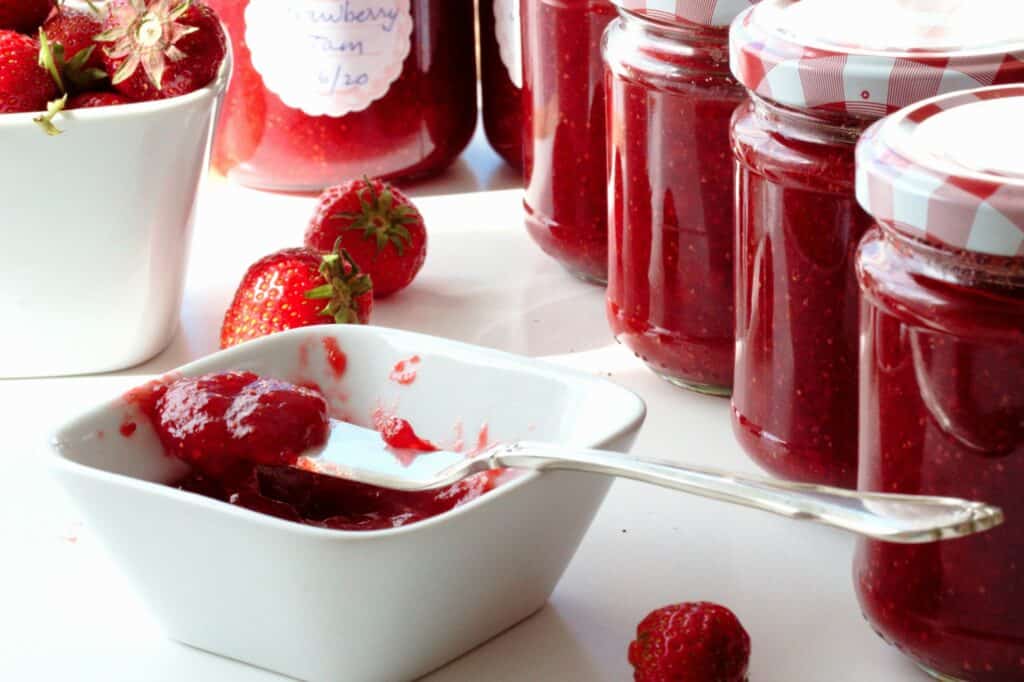
Strawberries start fruiting by mid-May and peak by the end of May into early June. Even a small patch produces more than you can eat fresh, since the berries only stay good for a couple of days — so I save up for a few days and then turn them into jam.
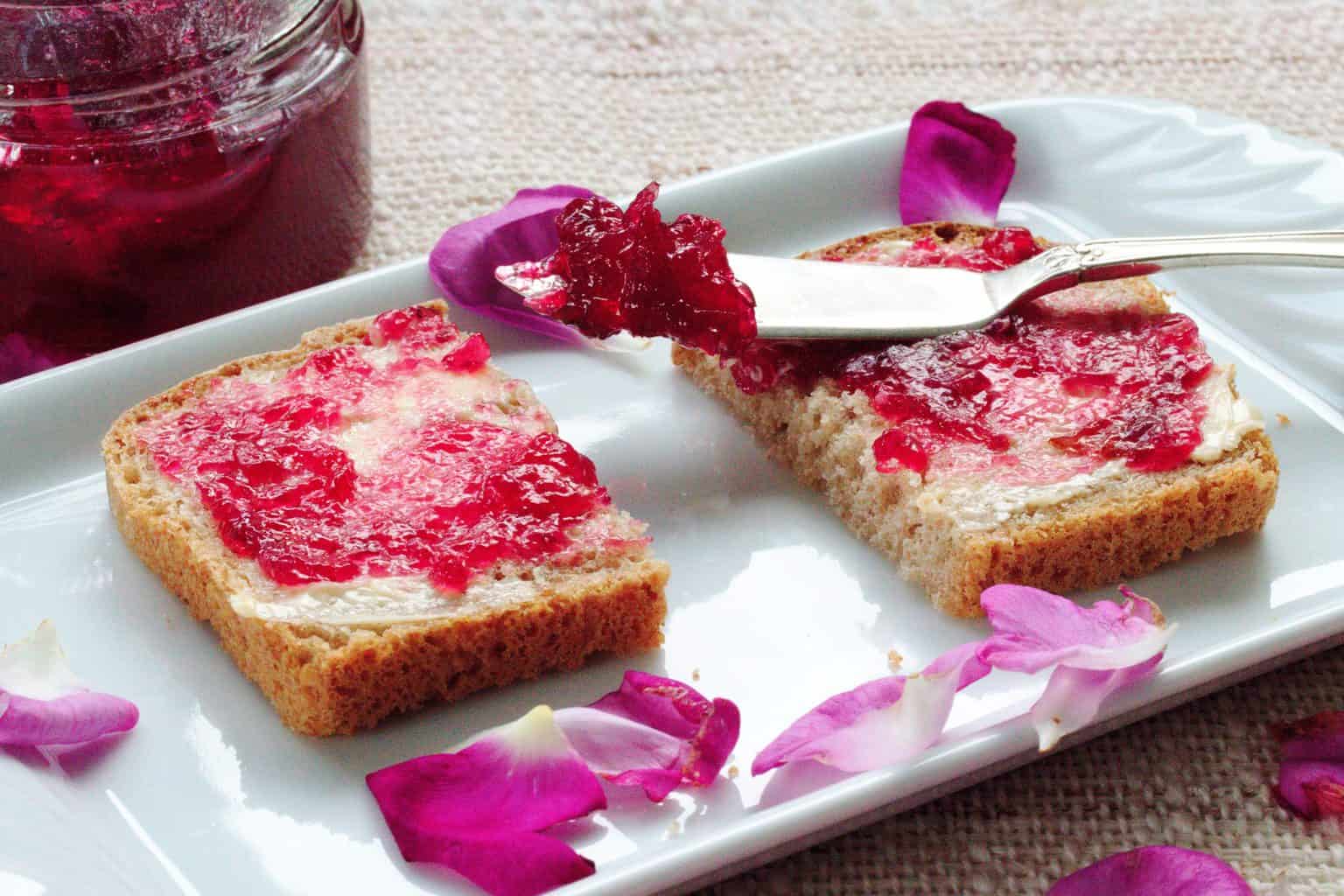
An unusual jam to some — inspired by a shop back in India that specialized in all things rose, including a rose jam that was a little too sweet for my taste. Using less sugar than that original recipe turned out to be a great success, with the taste and texture coming out just right.
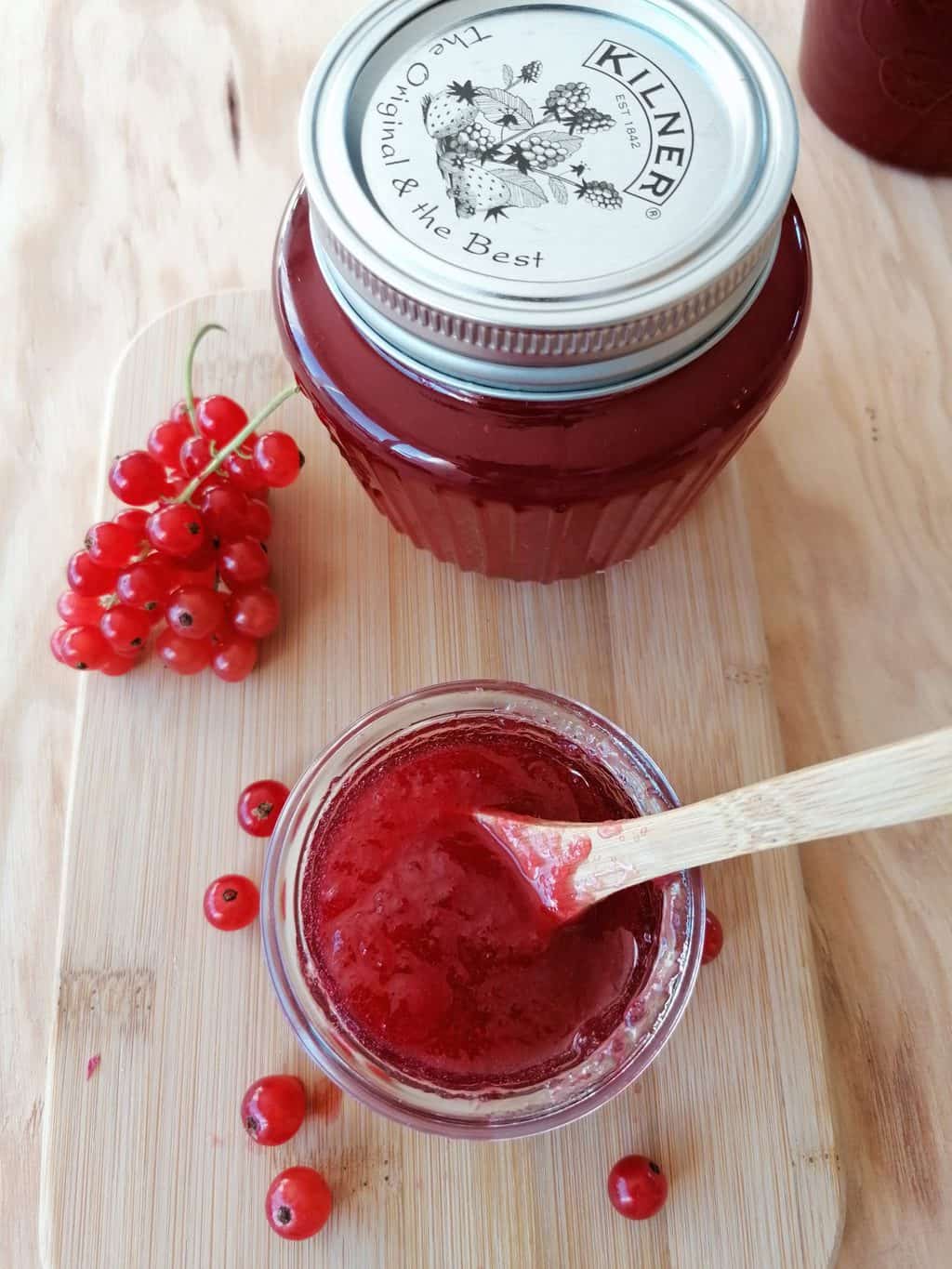
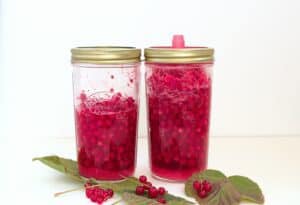
Redcurrants are ready to pick after June 24th, when they ripen into vibrant, tart berries rich in organic acids and mixed polyphenols. The jam has a little tartness to it, but it’s a real favorite once you try it.
More Easy Homemade Jam Recipe Ideas
Beyond the four above, a couple more are worth a mention:
Cherry jam: cherry season peaks in June too, though with just one tree here, the yield is really only enough for snacking, not yet a full jam. Tomato jam: a family classic — my mother used to make jam with tomatoes too. You can really make jam with most fruits and berries; these are simply the ones growing in this particular garden.
Top Tips for Making Jams
Use good quality fruit: only use fresh, good quality fruit and berries — check for fungus or rot and discard anything damaged, since it can spoil the whole batch. Sterilize your jars: use only clean, dry, sterilized glass jars. Protect the jars while bottling: place the jars on a wooden board before filling with hot jam, to prevent the glass from cracking. Leave a small gap: leaving a little space before closing the lid creates a vacuum as the jam cools, which helps preserve it naturally. Prep before you start: keep all your tools within reach before you begin. Chill a plate first: place a small plate in the freezer ahead of time, to test whether the jam is done.
Health Benefits
Peppers are rich in vitamins A and C, potassium, and fiber. They also contain capsaicin, which has anti-inflammatory properties and can boost metabolism. While the sugar content in the jelly should be enjoyed in moderation, the health benefits of the peppers can still be appreciated. If you are suffering from acidity, its best not to eat spicy food.
Your feedback is valuable
If you try any of these recipes and love them, I would love if you come back and gave it 5 stars! Thank you so much for visiting Vital Fair Living – we’re so happy you’re here! I would love it if you can share this post using the social media buttons you see next to the post.
Frequently Asked Questions
Why Make Jam Instead of Freezing Fruit?
Freezing needs electricity, which isn’t the most economical option, and nothing beats the taste of freshly picked, ripe fruit — jam is also a good hedge against the occasional power failure.
Can I Make Jam With Other Fruits?
Yes — you can make jam with most fruits and berries. This list covers what’s growing in this particular garden, but tomatoes and cherries work well too.
How Do I Know When Jam Is Ready?
Chill a small plate in the freezer ahead of time, then drop a little jam onto it — if it holds a skin and doesn’t run, it’s ready for bottling.