Disclosure: This post contains affiliate links, meaning, at no additional cost to you, we will earn a small commission if you click through and make a purchase. Learn more
These 5 effective remedies to digestive problems — ginger, good water, yogurt, a milder diet, and more fiber — are all everyday staples worth reaching for before a standard over-the-counter med.
Most of us have experienced stomach distress and digestive issues from time to time. And an equal number of us have probably reached for a standard over-the-counter med. While these have their place, they’re not the only answer to gastrointestinal distress. Many natural remedies exist as well. They’re not only easy on the tummy but often life staples found in your own kitchen.
Table of Contents
1. Ginger Root
Ginger root has been a go-to remedy for all sorts of ailments for thousands of years. It’s even related to two other powerhouse herbs: turmeric and cardamom. Ginger has been used extensively in Asian cooking for thousands of years too. This magic root aids digestion and helps those who don’t have much of an appetite. Ginger tastes great as a tea with a bit of honey, or even as ginger ale.
It’s soothing to the stomach, and can help reduce inflammation, offering a good, all-around remedy for stomach pain — which is why many people use it to alleviate nausea and other digestive problems caused by an improper diet. Ginger is also good for menstrual cramps and morning sickness.
It’s not entirely clear why ginger works so well on an upset stomach, but it’s believed that something in ginger helps food move more easily through the digestive tract. It’s well worth keeping as a kitchen staple.
2. Good Water
Most people don’t drink enough water, and their digestive system takes a hit as a result. Healthy doses of water help with dehydration when sick enough to vomit, or when dealing with diarrhea.
For anyone trying to drink more water, filtered water from a Berkey water filter is a good option. During a stomach upset, room-temperature water is best — drinking ice-cold water is discouraged in both Ayurveda and Traditional Chinese Medicine. A rumbling tummy tends to handle room-temperature water far better than icy cold water, and room-temperature or even lukewarm water does wonders for digestion and overall wellbeing.
3. Yogurt
Supplies List
1. Ginger root
2. Good water (room temp)
3. Yogurt
4. Milder diet (BRAT)
5. More fiber
Instructions
Why Yogurt Helps:
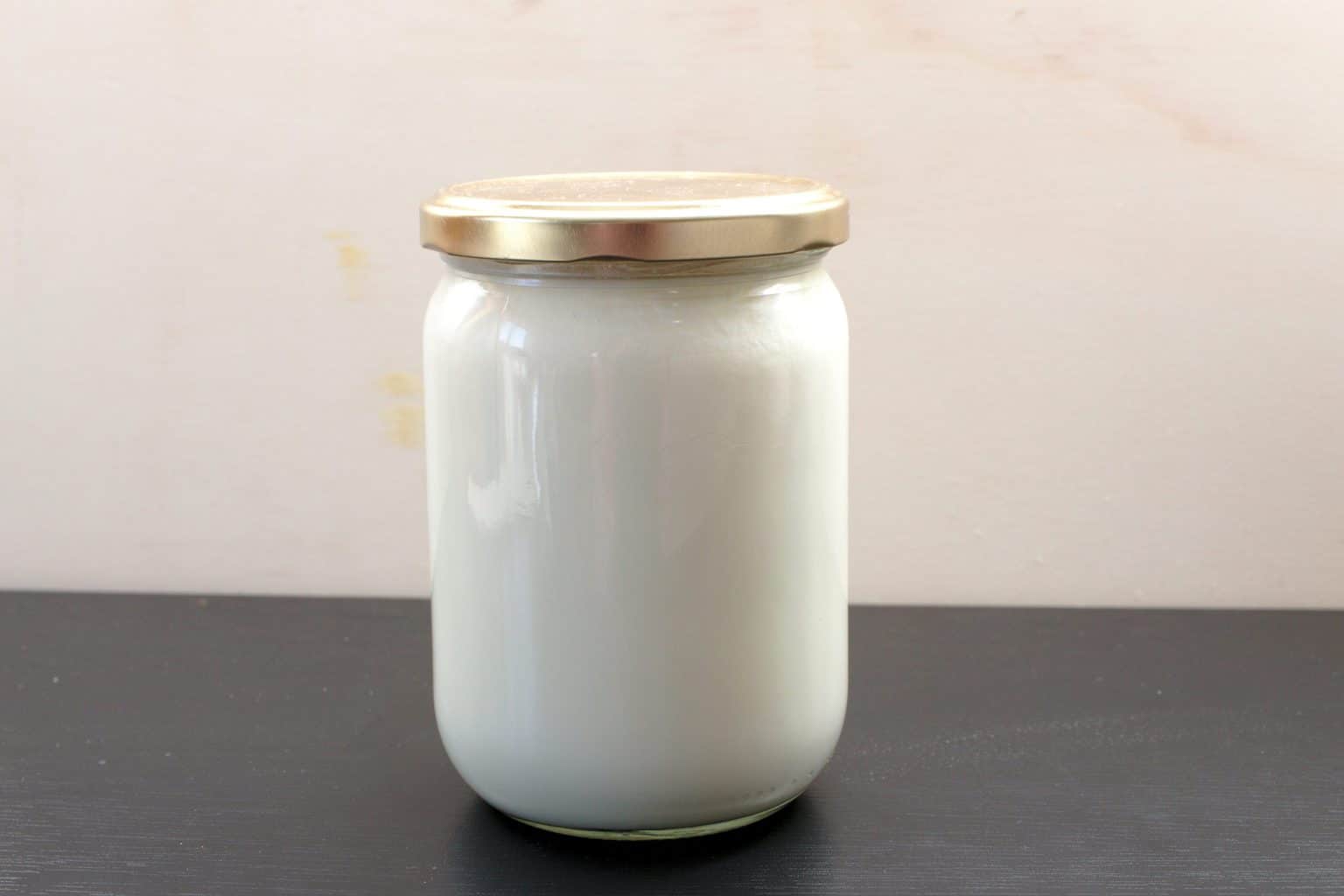
The amount of good bacteria in the stomach plays a big role in digestive health. Without enough probiotics, stomach upset can become a regular occurrence. Good quality yogurt is easy to make at home — homemade yogurt has been a habit here for decades.
Choosing the Right Yogurt:
Provided lactose intolerance isn’t a concern, yogurt and other foods rich in good bacteria should be safe to consume. Women’s Health Mag advises people with stomach upset to avoid salt, which can cause water retention, and recommends yogurt with what they describe as “live and active cultures.”
4. Try a Milder Diet for a While:
Eating foods like bananas, rice, applesauce, and toast — known as the BRAT diet — can help ease the effects of diarrhea and nausea. These foods don’t contain added spices or salt, and since spice and salt can contribute to digestive distress, easy-to-digest food is the better choice during this time. These foods are also known to bind to toxins, helping pull the offending substances out of the system. Sticking to plain toast and bananas for a day or two is often enough to see real improvement.
5. Add More Fiber to Your Diet:
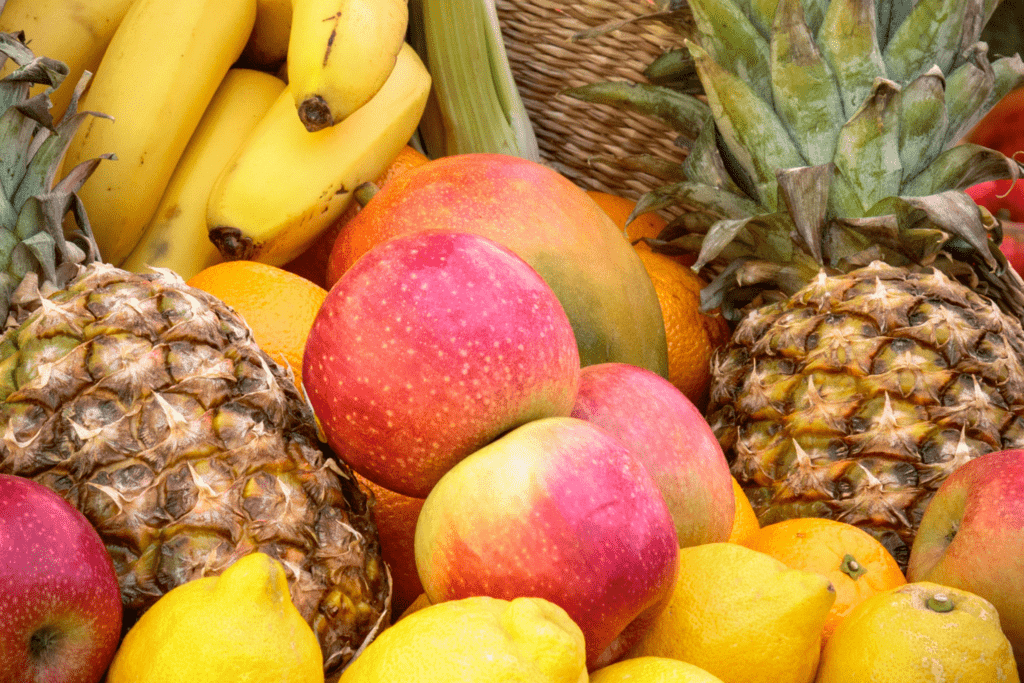
A lack of fiber can lead to both constipation and diarrhea — both genuinely uncomfortable, and both helped by adding more fruits, vegetables, beans, and whole grains to the daily menu. A high-fiber cereal in the morning is a simple starting point, with a few slices of fruit added for taste and an extra fiber boost. Topping it with yogurt adds the further benefit of healthy probiotics. A green salad with lunch and dinner helps too, along with snacking on fruits like apples, oranges, and grapes throughout the day.
Skip the ice-cold water: room temperature or lukewarm water is easier on a rumbling stomach, and better aligned with Ayurveda and Traditional Chinese Medicine. Keep it bland during an upset: the BRAT diet — bananas, rice, applesauce, toast — avoids the spice and salt that can make digestive distress worse. Pair fiber with probiotics: a high-fiber cereal topped with yogurt covers two remedies in one bowl.
Your feedback is valuable
Do you have something more to add to this list? I would love to hear from you in the comment section below. Thank you so much for visiting Vital Fair Living – we’re so happy you’re here! I would love it if you can share this post using the social media buttons you see next to the post.
Frequently Asked Questions
Why Is Ginger Good for Digestion?
It’s soothing to the stomach and may help reduce inflammation, and something in ginger seems to help food move more easily through the digestive tract — though the exact mechanism isn’t entirely clear.
Why Avoid Ice-Cold Water During a Stomach Upset?
Both Ayurveda and Traditional Chinese Medicine discourage ice-cold water when digestion is upset — room temperature or lukewarm water is easier on the stomach and better for digestion overall.
What Is the BRAT Diet?
Bananas, rice, applesauce, and toast — bland foods without added spice or salt that help ease diarrhea and nausea, and are also thought to help bind toxins and pull them out of the system.