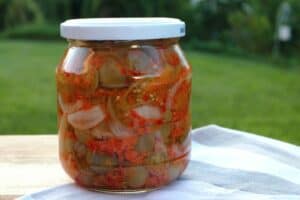
7 Easy Ways to preserve food at home
Disclosure: This post contains affiliate links, meaning, at no additional cost to you, we will earn a small commission if you click through and make a purchase. Learn more
- Home
- Recipes
- Food Preservation
- 7 Easy Ways to preserve food at home
These 7 easy ways to preserve food at home — canning, pickling, sugar preserves, drying, fermenting, freezing, and dry storage — come from putting a home garden’s harvest to good use, season after season.
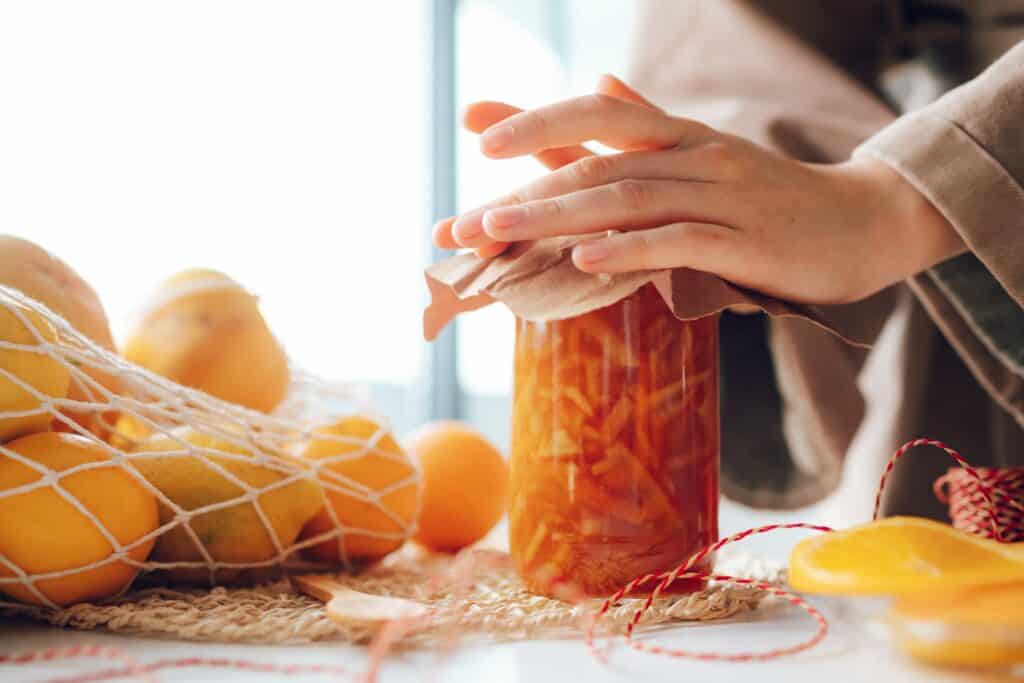
The world is now facing a severe economic crisis, and in the coming months, food shortages and inflated prices are to be expected. It’s during turbulent times like these that extending the shelf life of food becomes worth looking into. For anyone cooking all meals from scratch, this is the right place — sharing 7 easy ways to preserve food at home during times of crisis and food shortages.
Table of Contents
Why Preserve Food at Home?
Anyone with a garden knows the need to make produce last through the winter months — there’s nothing quite like the satisfaction of eating your own produce. Before refrigerators and mega supermarkets, this is exactly what people did for centuries; ancestors had to make food last without wasting a morsel. Even today, many preppers in western countries do the same without a garden at all. Preferring to use homegrown produce until the next season isn’t about doomsday prepping — it comes down to knowing exactly the labor and love that went into growing it in the first place.
1. Canning
Canning dry or fresh foods is probably one of the best ways to preserve food long term during a crisis. There have been instances of people opening canned food after 30 years, and finding it still as fresh as the day it was canned. Water bath canning is the method used here to preserve garden produce, and done properly, it can make fresh produce last significantly longer — already covered in an earlier post on canning tomatoes. Many preppers even can dry goods — a little research online gives more insight into that method specifically.
7 Easy Ways to Preserve Food at Home
Supplies List
- 1. Canning
- 2. Pickling
- 3. Preserving with sugar
- 4. Drying fresh produce
- 5. Fermenting
- 6. Freezing
- 7. Dry storage
Instructions
2. Pickling — An Age-Old Way to Preserve Food Long Term:
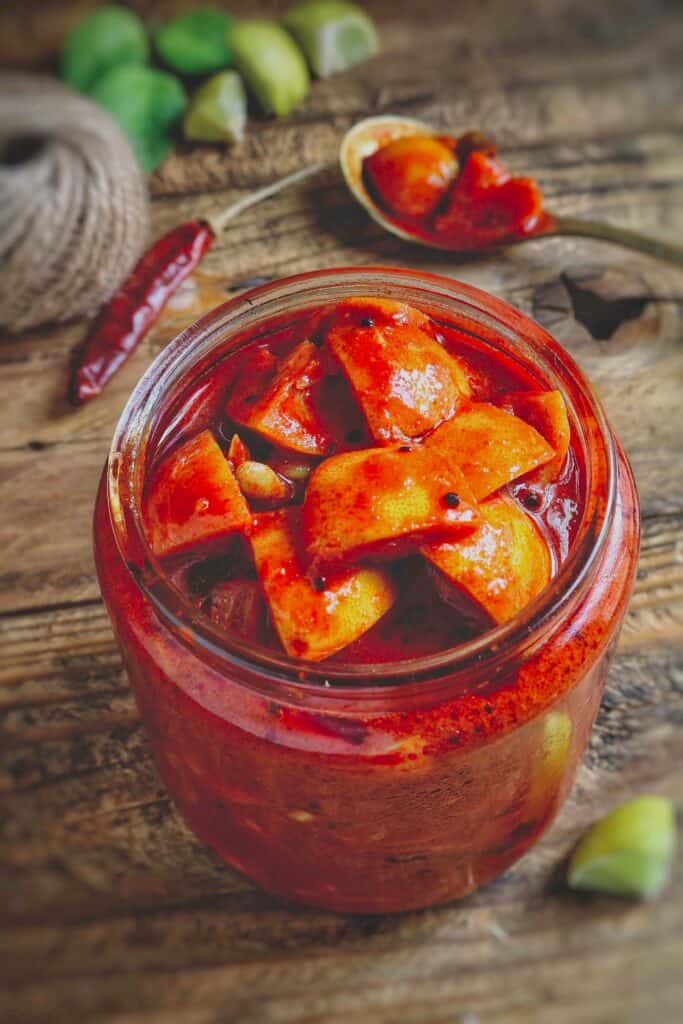
Pickling preserves food either by anaerobic fermentation in brine or by immersion in vinegar. Growing up in India meant growing up with pickles, using the fermentation method — refrigeration wasn’t relied on much anyway, given frequent power cuts. Typical vegetables for pickling included lemon, ginger, and mangoes (a personal favorite), among many others. Indian-style pickling differs slightly in its use of hot spices and oil, and the older the pickle gets, the better the taste. A batch of lemons picked up last-minute before a shutdown got pickled recently — great served with rice or flatbreads. Without the spices on hand, a simpler method works too: just salt added to organic cut lemons, left to sit at room temperature for a few weeks. It tastes good, and comes with the added benefit of vitamin C in the diet.
Preserving in Oil:
This method gives mixed results depending on the vegetable used, and it’s also an expensive way to preserve, since good quality organic oil doesn’t come cheap. The only thing regularly preserved in oil here is fresh red chilies with a little salt and oil — just one bottle at a time — added to pizza toppings for a bit of spice. Tip: after infusing herbs in oil, pour them into freezing forms and freeze — this keeps the oil from going rancid, and makes it easy to use smaller portions as needed.
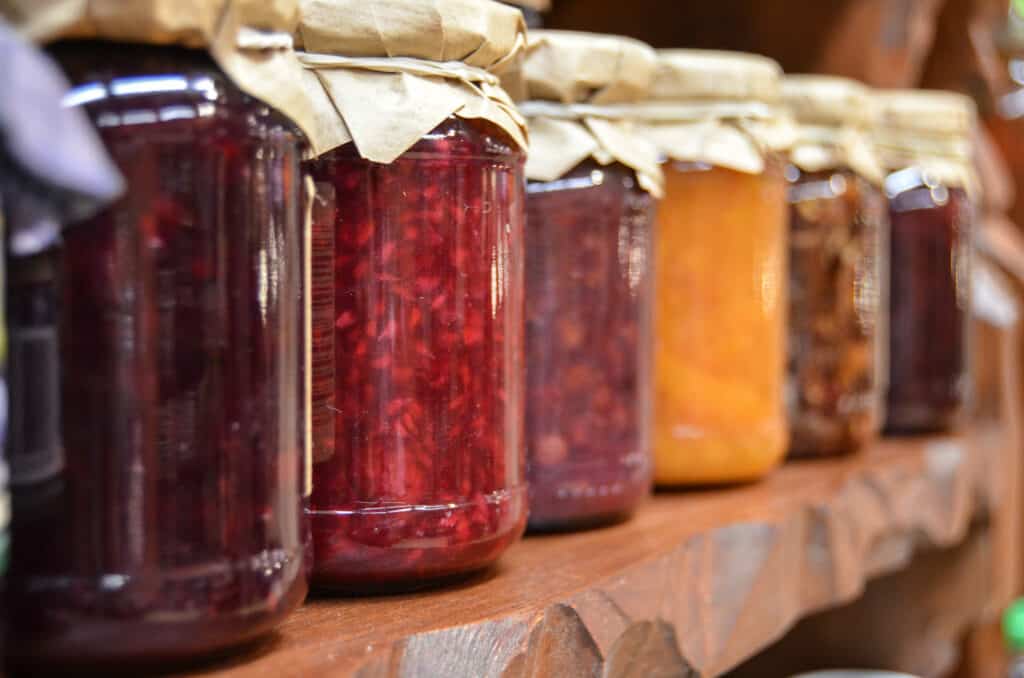
3. Preserving with Sugar:
With a garden producing an excess of fruit in season, jams and jellies made from the ripe fruit mean summer in a jar even during the cold winter months. Jam-making started years ago out of pure experimenting — wanting to preserve in-season fruit for the leaner months, and a husband who loves jam on his breakfast with homemade bread — so a lot of jam gets made during harvest season. There are two methods: cooking fruit without the seeds for a clear consistency, or cooking with the seeds included along with sugar, known as a fruit preserve. A few jam recipes are shared on the blog, including fresh strawberry jam and red currant jam.
4. Drying Fresh Produce:
Drying is another age-tested method, used by ancestors long before supermarkets and food delivery at a click — and with harder times potentially ahead, it’s worth adapting to again. The best and cheapest method uses solar energy — herbs and spices can be dried and stored in airtight jars, or even vacuum packed. An electric air dryer is another option, useful for drying excess garden produce like beans and peas. Herbs dried by hanging last year have been used well into this year, and teas made from dried sage and mint have become a regular habit.
5. Fermenting — A Healthy Way to Preserve Food:
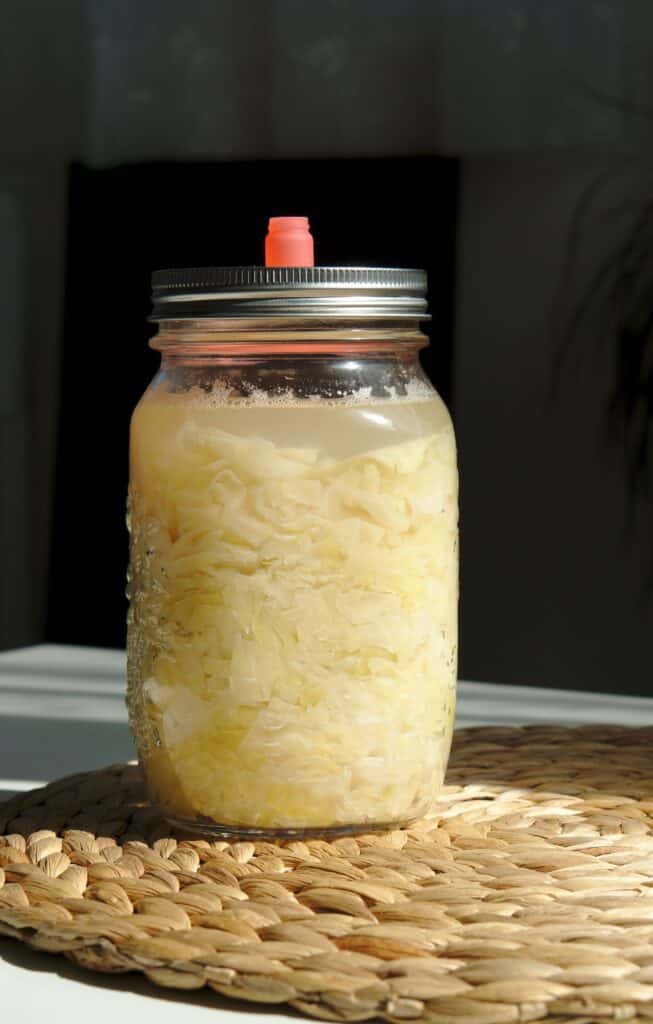
Lacto-fermenting is an age-old method with the added benefit of health perks — a recent hype around probiotics for gut health has brought sauerkraut through something of a revolution. Sauerkraut is a good source of probiotics thanks to the fermentation cabbage undergoes — the fiber and probiotics together improve digestion and support healthy bowel flora, helping protect against various digestive tract issues. Fermented food needs to go into the fridge once ready, since pressure canning ferments would destroy their health benefits — so it’s best to ferment small quantities at a time and consume them fairly quickly.
6. Freezing:
Freezing is a valid method too, but not always ideal during a crisis. With growing talk of power outages, it’s worth taking seriously rather than dismissing as mere noise — an economic or other crisis can bring long-term power failures, and big freezers already use a lot of electricity. Freezing isn’t recommended here as the main way to preserve food long term during a crisis. Smoking is another option, mainly for meat and fish, but as a vegetarian with no experience in that method, it’s not one covered here.
7. Dry Storage:
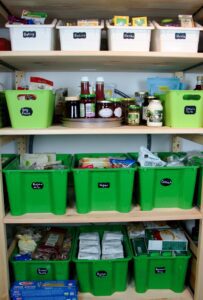
The pantry here stays stocked with grains, pulses, sugar, and more, using a mix of airtight glass and Tupperware containers for storage. Many grains keep for a couple of years easily when stored airtight, away from mice and other pests — worth checking on regularly. This method also works well for garden produce: garlic, onions, potatoes, pumpkins, apples, and walnuts can all be stored in a cool, dry cellar, and unwashed carrots keep for a few months too. Some countries call this root cellar storage — potatoes and pumpkins here get stored together in a custom storage rack built specifically for the purpose.
Preparing for Turbulent Times
For more on preparing for turbulent times, an earlier post on 15 tips to prepare for emergencies covers more ground, well suited to situations like the one described here.
A Few Closing Tips
Ferment in small batches: ferments lose their health benefits if pressure canned, so it’s best to make a little at a time and eat it fairly quickly.
Check dry storage regularly: airtight containers keep grains safe from pests for a couple of years, but it’s still worth checking on them from time to time.
Don’t rely on freezing alone during a crisis: power outages are a real risk, and big freezers use a lot of electricity — better to lean on other methods as the main strategy.
Photo Credits
Photo credits for this post go to Chitra@vitalfairliving and Pexels.
Watch the Video
Your feedback is valuable
I hope this post on 7 easy ways to preserve food at home was useful to you. Do you have some feedback you’d like to share? Leave a note in the comment section below! Thank you so much for visiting Vital Fair Living – we’re so happy you’re here! and thanks for taking the time to read this post. I would love it if you can share this post using the social media buttons.
Frequently Asked Questions
Properly canned food can last for decades — there have been cases of people opening food canned 30 years earlier and finding it still fresh. The USDA’s Shelf Stable Food Safety page has more detail on specific storage times.
Pressure canning destroys the beneficial bacteria that give fermented food its health benefits, so ferments are best stored in the fridge and eaten within a reasonable time instead.
Not as a main strategy — freezers use a lot of electricity and are vulnerable to power outages, which are a real risk during an economic or other crisis.