
Rhubarb Ginger Jam – Confiture
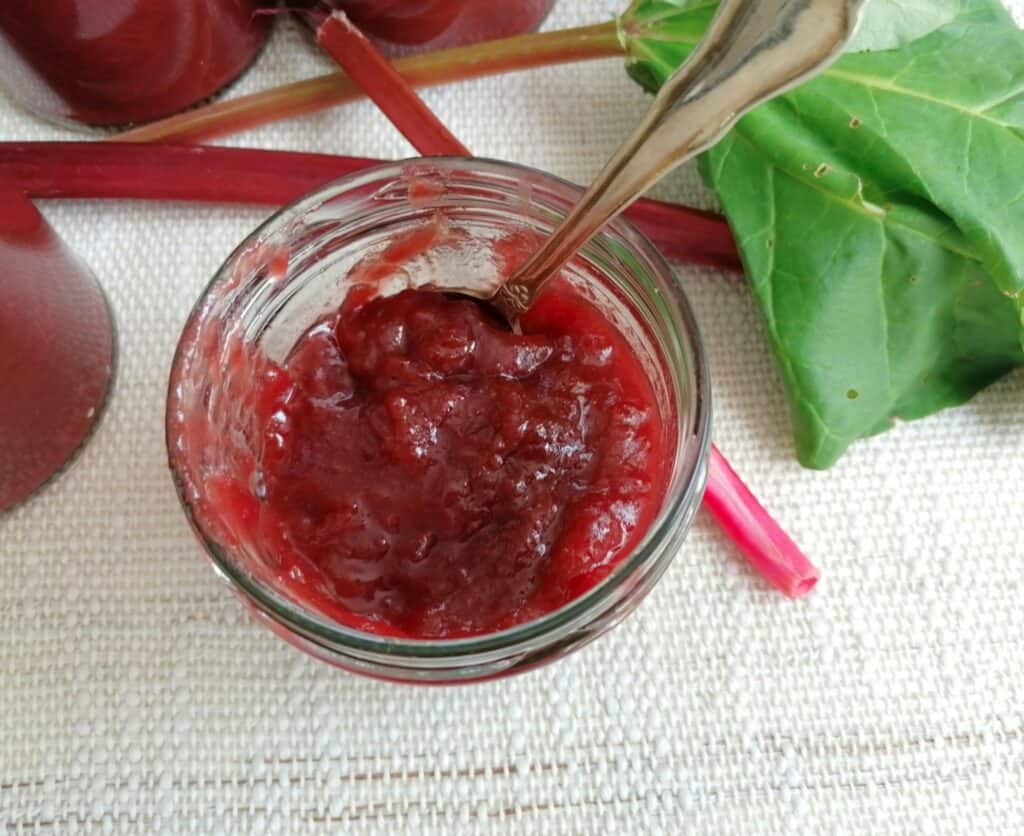
Rhubarb Ginger Jam – Confiture Ingredients Cooking Instructions Jump to Recipe What do you do with a nice harvest of Rhubarb? Well we usually preserve the harvest into Rhubarb Ginger jam. We planted our Rhubarb last year and had a small harvest last year. This year we definitely have a lot more than last year. I decided to make it into jam which is a hot favorite of my husband. The Jam is very easy to make. Because the jam has been a hit at home, I have been adding the jam into my Christmas baskets. My husband is the only one who relishes Rhubarb jam till the last drop, therefor he is happy when I preserve our harvest like this. Sugar is a good way to preserve fruits without freezing.Rhubarb Sambar is another dish we relish. Because, I like the sour and tart taste, I make it often during the season. Rhubarb’s uses Although rhubarb is a vegetable, it is often put to the same culinary uses as fruits. The stalks can be eaten raw but they are most commonly cooked with sugar and used in pies, crumbles and other desserts. Rhubarb has a strong tart taste. How to grow Rhubarb Growing rhubarb is also an incredibly low maintenance task. Once the crop is established it requires little regular attention and, if it is happy, will produce edible stalks for many years to come. It is also one of the earliest foods to ripen for harvest each spring. Rhubarb is a long lasting crop and in many climates pie plant is harvested from spring until late summer. ” Check out the link at the beginning of this heading. My first introduction to Rhubarb My first introduction to Rhubarb was during my visit to an aunt in Canada way back in 2002. She planted them years back in her garden and she made a tasty spicy soup to go with the rice. I must admit I was immediately converted to this tasty plant then and there. I started searching recipes to make during the season. Usually, I make chutneys, jams and a south Indian spicy soup with lentils also called as Sambar with the Rhubarb harvest. We had a good harvest in spring this year and they are best harvested in May when they are still tender. Table of Contents Ingredients List 1 Kg Rhubarber chopped into small cubes 750 gm of sugar ( you can also use Moscavado sugar) Grated peel of a lemon 1 tablespoon of lemon juice 75 g of chopped candied ginger Cooking Instructions Mix all the ingredients in a heavy bottom pot and cook under moderate heat stirring constantly for about 15 minutes. As the Rhubarb is cooked to a mushy consistency it will start thickening. How to test if its ready for bottling? Add a few drops to a plate and tilt the plate slightly. If the jam flows then its not yet ready. Repeat the process at intervals till the jam stops flowing. Now its ready for bottling. Bottling Switch off the heat. And set all the sterilised jars on a tea towel. This will help in preventing the jam jars from cracking while filling the hot jam. Fill the jars to the brim and close the lid tightly. Turn the jars upside down on the tea towel for about 10 min. Turn them back with the lid facing up. This helps in creating a vacuum which will preserve the jam for long. This jam preserves well up to 12 months. When you make this jam under sterile conditions, this jam will last more than a year. I still have a small jar unopened in my cellar for more than a year. Source of Recipe Rhubarb Ginger Konfiture Recommended: https://vitalfairliving.com/general/how-to-make-redcurrant-jam-in-small-quantities/ Recipe Card Pin Print Rhubarb Ginger Jam – Confiture Servings 4 servingsPrep time 30 minutesCooking time 40 minutesCalories 300 kcal Ingredients 1 Kg Rhubarb chopped into small cubes 750 gm of sugar ( you can also use Moscavado sugar) Grated peel of a lemon 1 tablespoon of lemon juice 75 g of chopped candied ginger Directions Mix all the ingredients in a heavy bottom pot and cook under moderate heat stirring constantly for about 15 minutes. As the Rhubarb is cooked to a mushy consistency it will start thickening. Frequently Asked Questions Accordion Tab Title 1 Click edit button to change this text. Lorem ipsum dolor sit amet, consectetur adipiscing elit. Ut elit tellus, luctus nec ullamcorper mattis, pulvinar dapibus leo. Accordion Tab Title 2 Click edit button to change this text. Lorem ipsum dolor sit amet, consectetur adipiscing elit. Ut elit tellus, luctus nec ullamcorper mattis, pulvinar dapibus leo. Accordion Tab Title 3 Click edit button to change this text. Lorem ipsum dolor sit amet, consectetur adipiscing elit. Ut elit tellus, luctus nec ullamcorper mattis, pulvinar dapibus leo. Leave a ReplyPlease enable JavaScript in your browser to complete this form.Name *Email *Website / URLMessageCheckboxes Yes, add me to your mailing list. Submit Popular Recipes Subscribe Signup for our NewsletterUnlock a world of flavor, creativity, and green living. Subscribe for exclusive recipes, DIY tutorials, and gardening advice.Please enable JavaScript in your browser to complete this form.Name *Email * Submit Popular Recipes
Red Currant Jam Recipe
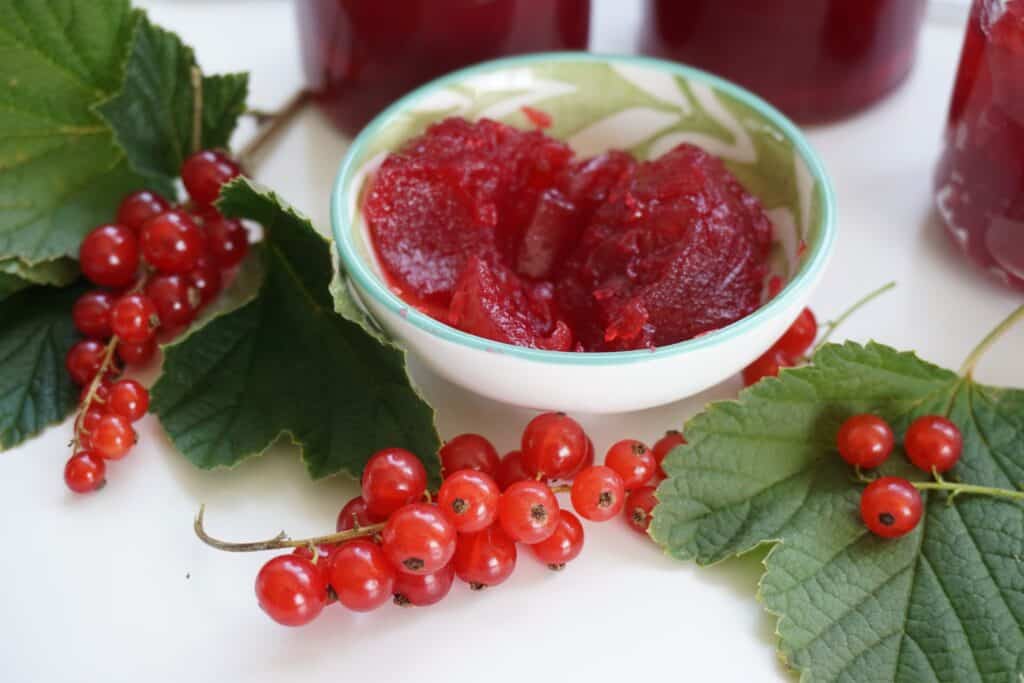
Red Currant Jam Recipe Ingredients Cooking Instructions Jump to Recipe In this post you will learn to make an easy red currant jam recipe. With the Garden blooming and giving fruits, it was time to harvest some of the fruits and berries. After strawberry had peaked between May and June. It was now time for Red currant harvest in June. I wanted to give a trial to making Red Currant jam this year. Red Currant bush The Redcurrant or red currant ( Ribes Rubrum) is a member of the genus Ribes in the gooseberry family. The plant is native across western Europe. This species is widely cultivated and also wild in many regions. Redcurrants are known for their tart flavours due to a high content of organic acids and mixed polyphenols. They are usually made into jams, fruit soups and puddings. They are made into syrups in the German speaking areas and when we add soda the syrup becomes Johanisbeer Schorle. If you want to ferment these berries, its great too. Lacto Fermented red currants are easy to make and adding them to yogurt tastes great. Red Currant Harvest After harvesting and removing the stalks from the fruit we had an yield of 560 gm. This yield was just enough to make about 3 small bottles of red currant jams. I did make a second batch of red currant jam a week later. Lets dive into the recipe. Table of Contents Ingredients List 500 gm of Redcurrants after removing the stalks and washing 250 gm of sugar (Proportion of sugar to fruit 1:2) 1 tsp of lemon juice ( or 1/2 tsp of citric acid) Cooking Instructions Mix all the ingredients into a heavy bottom pot and set it on medium heat. After all the sugar has melted the fruit will start cooking. After about 10 min. or so it starts thickening. Reduce the heat. Keep stirring to avoid burning and to attain an even consistency. How to test if its ready for bottling? Add a few drops to a frozen plate and tilt the plate slightly. If the jam flows then its not yet ready. Red currant is high in pectin so, once the skin starts to form on the plate when you tilt, it is done. Don’t cook it too long, because red currants are very high in pectin, stop when the skin forms. The jam thickens when it cools. A jelly like consistency is also nice. Now its ready for bottling. Bottling Switch off the heat. And set all the sterilized jars on a tea towel. This will help in preventing the jam jars from cracking while filling the hot jam. Fill the jars to the brim and close the lid tightly. Turn the jars upside down on the tea towel for about 10 min. Turn them back with the lid facing up. This helps in creating a vacuum which will preserve the jam for long. Recipe Card Pin Print Red Currant Jam Recipe Prep time 30 minutesCooking time 40 minutes Ingredients 500 gm of Redcurrants after removing the stalks and washing 250 gm of sugar (Proportion of sugar to fruit 1:2) 1 tsp of lemon juice ( or 1/2 tsp of citric acid) Directions Mix all the ingredients into a heavy bottom pot and set it on medium heat. After all the sugar has melted the fruit will start cooking. After about 10 min. or so it starts thickening. Reduce the heat. Keep stirring to avoid burning and to attain an even consistency. Frequently Asked Questions Accordion Tab Title 1 Click edit button to change this text. Lorem ipsum dolor sit amet, consectetur adipiscing elit. Ut elit tellus, luctus nec ullamcorper mattis, pulvinar dapibus leo. Accordion Tab Title 2 Click edit button to change this text. Lorem ipsum dolor sit amet, consectetur adipiscing elit. Ut elit tellus, luctus nec ullamcorper mattis, pulvinar dapibus leo. Accordion Tab Title 3 Click edit button to change this text. Lorem ipsum dolor sit amet, consectetur adipiscing elit. Ut elit tellus, luctus nec ullamcorper mattis, pulvinar dapibus leo. Leave a ReplyPlease enable JavaScript in your browser to complete this form.Name *Email *Website / URLMessageCheckboxes Yes, add me to your mailing list. Submit Popular Recipes Subscribe Signup for our NewsletterUnlock a world of flavor, creativity, and green living. Subscribe for exclusive recipes, DIY tutorials, and gardening advice.Please enable JavaScript in your browser to complete this form.Name *Email * Submit Popular Recipes
June Garden Vegetables 2018

June Garden Vegetables & Harvest There has been a lot going on in our garden. This post will feature most of our June garden vegetables for this year. After the summer storms which our garden escaped without too much damage it has come to a normal period of growth.
Vegan Stir fry wok noodles
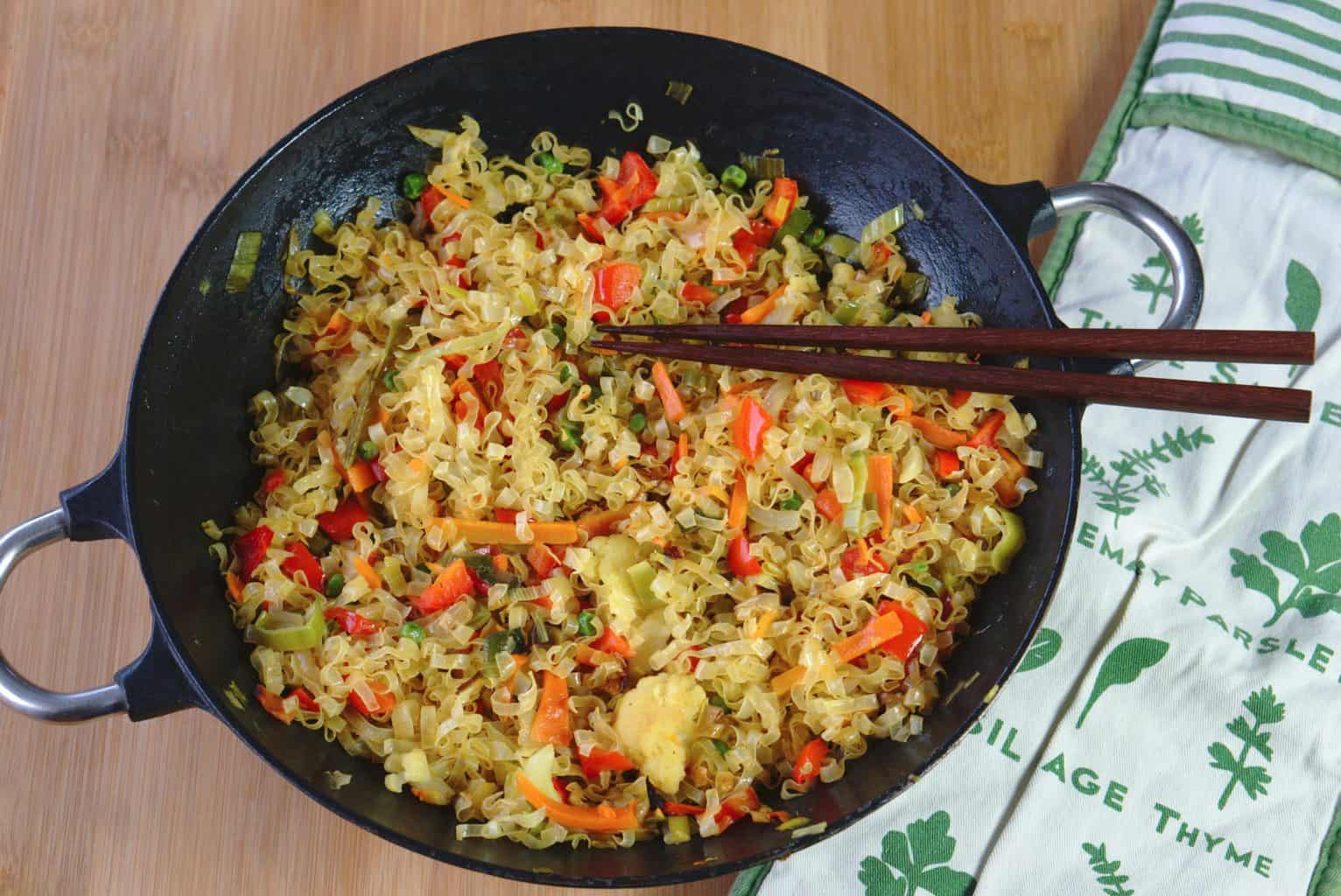
Vegan stir fry wok noodles Ingredients Cooking Instructions Jump to Recipe I like to experiment with recipes especially vegan. A great Vegan lunch idea is Chinese vegan stir fry wok noodles to serve your guests on a short notice and make it look exotic as if you were a chef. It has been one of my favorite and fool proof recipes for some time. Its a great Vegan lunch complete with fresh green salad. It takes a little time to chop the vegetables but the cooking itself can be done in under 20 minutes. Its also a good way to use up what you have in your fridge and store cupboard. You don’t need to have all the ingredients which calls for in an original Chinese Wok noodle recipe but I promise it will just taste as good. For example I had no soya sauce or bamboo shoots etc, but it really doesn’t matter. You can play with the ingredients. Table of Contents Transitioning towards Vegan As we are transitioning into a gluten free and vegan diet for the sake of my daughter because of her intolerance to both diary and wheat. We decided to make this for our lunch and to finish up the last package which was lurking in my pantry. We had enough left overs for the dinner that evening. Ingredients List 250 gm Wok noodles. ( I got it from the health food store don’t know which brand) 3 spring onions 3 Capsicum (medium size) 1 Onion 2 Celery sticks 2 Carrots (grated) 1 stick of ginger about 2 inches 1 Red chilly (hot to medium) 2-3 tablespoons of Sesame oil ( I used sunflower oil) a pinch of asafoetida 1-2 tsp of Himalaya pink salt Chilly sauce and pepper as per taste. 3- 4 tablespoons of water Cooking Instructions Chop all the vegetables finely and set aside. Heat up a wok or a pan. Add the oil and when its hot add the asafoetida then the chopped chilies. Add the remaining vegetables in the following order- onion, spring onions, capscium, carrot and celery. Fry it shortly until well mixed and reduce the flame cover and cook for about 10 minutes. If the pan is closed well it doesn’t need water. Add the wok noodles mix everything and add about 3 tablespoons of water, cover and cook for another 10 minutes. It should be cooked now and then open and fry a little with the lid open. Add the seasoning- chilly sauce, pepper and salt. Mix and fry for another couple of minutes. Its ready to be served now. You can serve this with a fresh green garden salad and vegan almond dressing. Recipe Card Pin Print Vegan Stir fry wok noodles Servings 3 servingsPrep time 30 minutesCooking time 40 minutesCalories 300 kcal Ingredients 250 gm Wok noodles. 3 spring onions 3 Capsicum (medium size) 1 Onion 2 Celery sticks 2 Carrots (grated) 1 stick of ginger about 2 inches 1 Red chili (hot to medium) 2-3 tablespoons of Sesame oil ( I used sunflower oil) a pinch of asafoetida 1-2 tsp of Himalaya pink salt Chili sauce and pepper as per taste. 3- 4 tablespoons of water Directions Chop all the vegetables finely and set aside. Heat up a wok or a pan. Add the oil and when its hot add the asafoetida then the chopped chillies. Add the remaining vegetables in the following order- onion, spring onions, capscium, carrot and celery. Fry it shortly until well mixed and reduce the flame cover and cook for about 10 minutes. If the pan is closed well it doesn’t need water. Add the wok noodles mix everything and add about 3 tablespoons of water, cover and cook for another 10 minutes. It should be cooked now and then open and fry a little with the lid open. Add the seasoning- chilly sauce, pepper and salt. Mix and fry for another couple of minutes. Its ready to be served now. You can serve this with a fresh green garden salad and vegan almond dressing. Frequently Asked Questions Accordion Tab Title 1 Click edit button to change this text. Lorem ipsum dolor sit amet, consectetur adipiscing elit. Ut elit tellus, luctus nec ullamcorper mattis, pulvinar dapibus leo. Accordion Tab Title 2 Click edit button to change this text. Lorem ipsum dolor sit amet, consectetur adipiscing elit. Ut elit tellus, luctus nec ullamcorper mattis, pulvinar dapibus leo. Accordion Tab Title 3 Click edit button to change this text. Lorem ipsum dolor sit amet, consectetur adipiscing elit. Ut elit tellus, luctus nec ullamcorper mattis, pulvinar dapibus leo. Leave a ReplyPlease enable JavaScript in your browser to complete this form.Name *Email *Website / URLMessageCheckboxes Yes, add me to your mailing list. Submit Popular Recipes Subscribe Signup for our NewsletterUnlock a world of flavor, creativity, and green living. Subscribe for exclusive recipes, DIY tutorials, and gardening advice.Please enable JavaScript in your browser to complete this form.Name *Email * Submit Popular Recipes
Planting Season April- May 2018
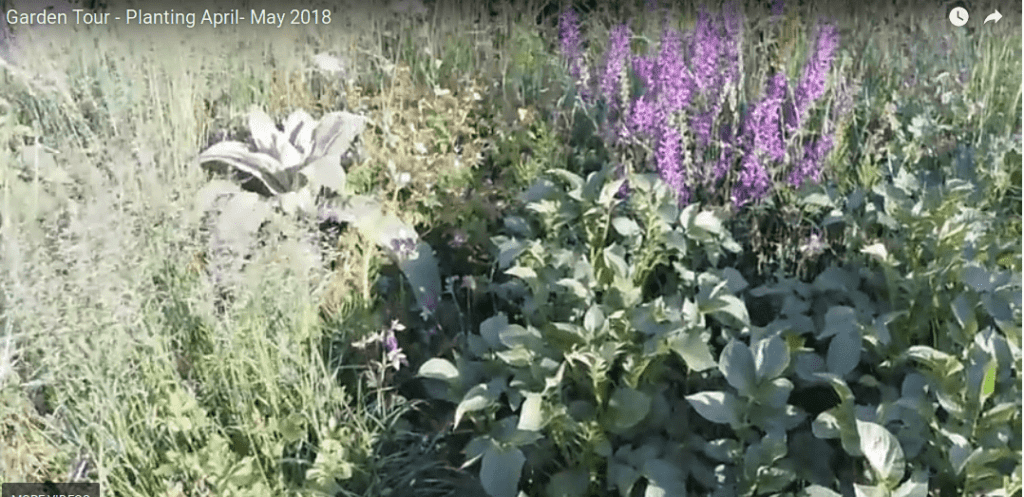
GardenTour -Planting season April-May 2018 Planting season follows the beginning of spring. My husband has been gardening since the end of winter planning and preparing for the whole planting season. I could shoot the Garden tour video between April and May during the Planting Season. I got round to writing the blog and uploading this long overdue video.
Homemade Spelt Bread Recipe
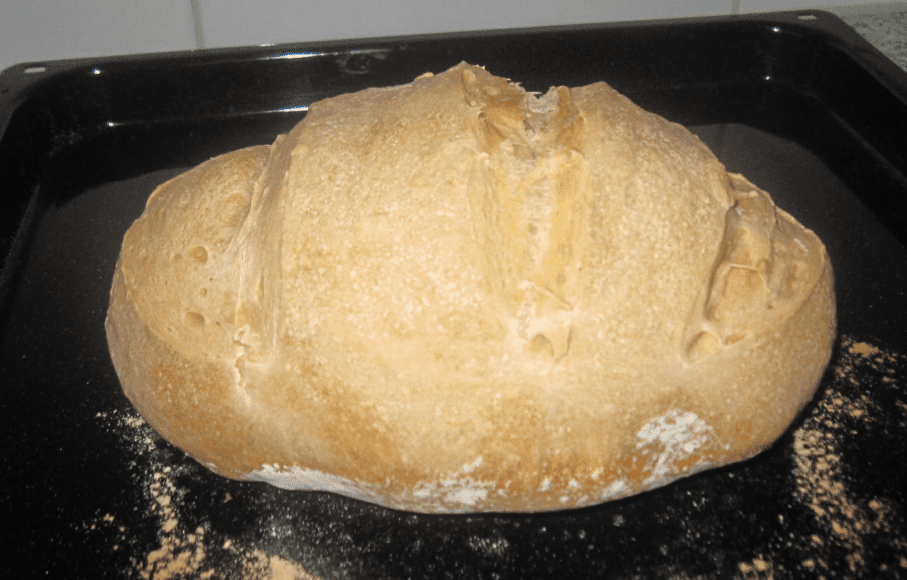
Homemade Spelt Bread Recipe Ingredients Cooking Instructions Jump to Recipe Card If you are new to baking and looking for healthy and easy recipes, then this homemade stone ground spelt bread recipe is the one for you. I have tested and tweaked this recipe for many years and this recipe will be easy to adjust the proportion of spelt to suit your taste. Spelt is an ancient grain whose molecular structure is different to that of wheat. In the recent years spelt has undergone a revival as a health food due to the fact that its easier to digest compared to wheat. Wheat has been genetically modified and altered a lot for a higher gluten and yield to suit modern industrial farming. This modification is probably the reason why the number of people having wheat intolerance has risen dramatically over the past few decades. My daughter is extremely intolerant to wheat. Personally try to avoid it too as I also don’t digest wheat too well if I overdose myself with wheat often. Spelt grains To know more about the health benefits of Spelt as grain take a look at the following link. https://en.wikipedia.org/wiki/Spelt https://youtu.be/He8Yl6I0RdU My journey with baking I have been baking my own bread for the past 2 decades. It was a big learning experience to get the bread right. I worked with different grains and flours till I could figure out a fool proof mixture. Once you get the hang of baking your bread you will turn your back to store bought mass produced bread. Why I avoid industrially produced breads? Bread in the supermarkets are manufactured in huge plants and frozen for easy shipping. These finished breads are then shipped long distances to units to be baked once again before they hit our supermarket shelves. Moreover, the ingredients of mass produced breads are always questionable as its made for profit. They use a lot of dough enhancers to prolong the shelf life and cut costs. The breads are no doubt cheap but adds to the cost of your health and well being. These huge enterprises have put the Artisan bakeries out of business in the past decades. So many small bakeries have gone out of business as they cannot compete on this huge scale to even break even. This should also be one more reason to avoid industrially produced breads. Ingredients 175gm Spelt grains 150gm finely ground spelt flour 1 tsp Chia seeds, 1 tsp ground flax seeds 1 tbsp sunflower oil, 1.5 tsp Himalaya pink salt 10 g fresh yeast 1 tsp Moscovado sugar and water. Cooking Instructions Mix the yeast with sugar and a little water in a bowl and keep it aside to multiply. It will start bubbling after a few minutes. Use normal room temperature water. Grind the grains. If you use an electric stone mill set it to a setting of 3- to 4. Mix all the ingredients and take care to keep the salt to one side. While adding the yeast mixture make sure it doesn’t touch the salt. Salt will kill the yeast and the bread will not rise well. Knead well by adding water as its mixing and till all the flour is well incorporated to the dough and leaves the sides of the mixing bowl. Be careful not to add too much water. Cover and let it rise. When the dough has risen to double the volume, sprinkle flour to your work surface and the baking tray. Knead again to incorpoate all the air pockets to have a well risen shaped dough. Shape the dough by rolling it tightly and cover. Set it aside to rise for 15- 20 min. Preheat you oven to 250 deg Celsius. Score the bread before baking to have an even rise while baking. It prevents the bread from cracking at the sides. Bake on the highest heat for about 12 min to develop a dark crust then turn down the heat to 180deg Celcuis and bake for 35 min. Remove from the oven and lightly tap it. If the bread sounds hollow you know its done. Cool the bread before serving. Pin Print Stone-ground Spelt bread Servings 4 servingsPrep Time 10 minutesCooking time 15 minutesCalories 300 kcal If you are new to baking and looking for healthy and easy recipes, then this homemade stone ground spelt bread recipe is the one for you. I have tested and tweaked this recipe for many years and this recipe will be easy to adjust the proportion of spelt to suit your taste. Ingredients 175gm Spelt grains 150gm finely ground spelt flour 1 tsp Chia seeds 1 tsp ground flax seeds 1 tbsp sunflower oil 1.5 tsp Himalaya pink salt 10 g fresh yeast 1 tsp Moscovado sugar and water Directions Mix the yeast with sugar and a little water in a bowl and keep it aside to multiply. It will start bubbling after a few minutes. Use normal room temperature water. Grind the grains. If you use an electric stone mill set it to a setting of 3- to 4. Mix all the ingredients and take care to keep the salt to one side. While adding the yeast mixture make sure it doesn’t touch the salt. Salt will kill the yeast and the bread will not rise well. Knead well by adding water as its mixing and till all the flour is well incorporated to the dough and leaves the sides of the mixing bowl. Be careful not to add too much water. Cover and let it rise. When the dough has risen to double the volume, sprinkle flour to your work surface and the baking tray. Knead again to incorpoate all the air pockets to have a well risen shaped dough.Shape the dough by rolling it tightly and cover. Set it aside to rise for 15- 20 min. Preheat you oven to 250 deg Celsius. Score the bread before baking to have an even rise while baking. It prevents the bread from cracking at
Wild Garlic Pesto Recipe (Bärlauch Pesto)
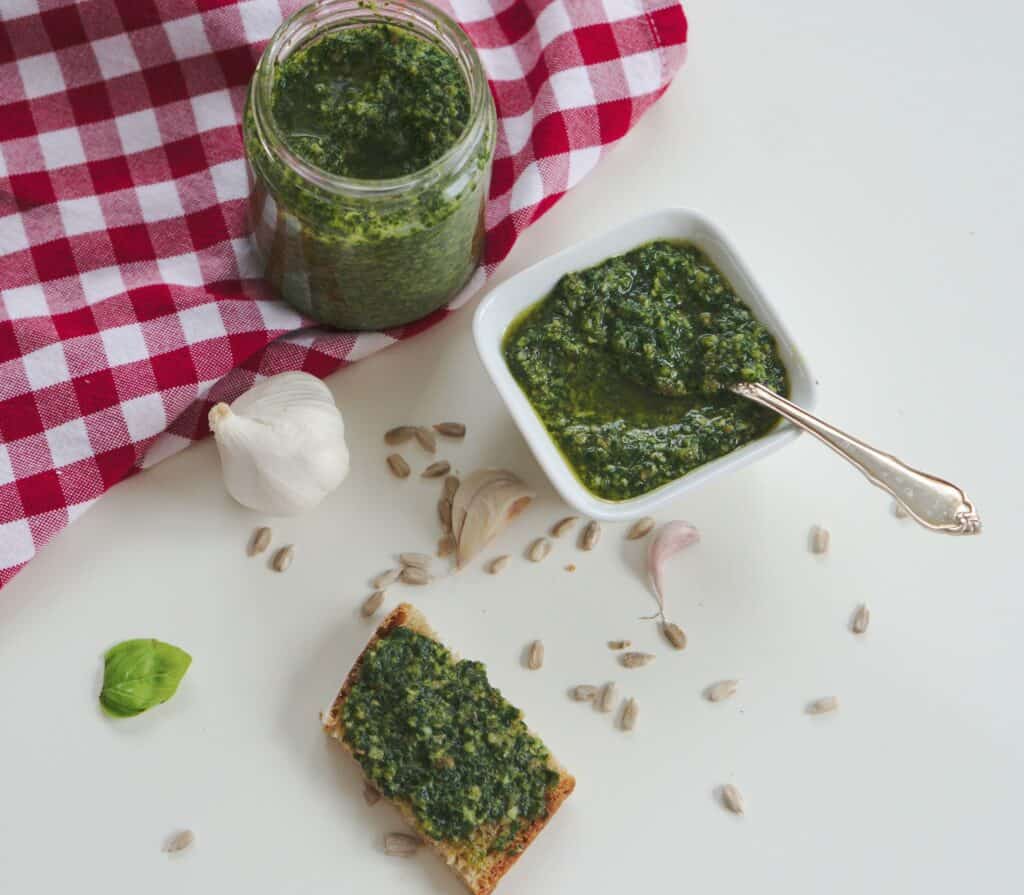
Govind’s Mutter Paneer Ingredients Cooking Instructions Jump to Recipe Card Its that time of the year, when nature comes alive after a long winter. And with spring is also a lot of wild edibles around us which we can forage to add some greens to our diet. Hence, to get some precious greens as early as April, would be to forage and its all free. You can easily forage a few wild edibles and wild garlic is one of them. My favorite way of using this wild edible is with a Wild Garlic Pesto Recipe. Its so easy to make and tastes great. https://youtu.be/RKA9DPap4XI While enjoying a wonderful warm spring afternoon, we decided to take a walk and go foraging in the near by woods with my 8 year old daughter and her friend. Spring in the mid of April would be the right time to pick Wild Garlic for a Pesto Recipe. It grows in abundance and is native to Europe. We picked a few bags and I made a pesto at night after preparing the leaves.
Vital Fair Living Youtube Channel
Vital Fair Living You Tube Channel I have been working really hard to learn a whole new skill of uploading videos on my Vital Fair Living You Tube channel. Rather than letting all my knowledge go to a waste. I got this idea of filming videos of my cooking and our gardening experiences. The videos will also give an insight into modern Swiss country living. Above all it will also give my little daughter something to learn and remember me by. YouTube address All my videos will be uploaded into this channel. https://www.youtube.com/channel/UC16-3ARNyuVbPbgZ5BDWr0A Introduction Video idea I had so many ideas of how to make an introduction video. Finally while going for a walk on a sunny spring day, I just took my new video camera with me. My daughter and her friend wanted to cycle into the woods on this warm spring afternoon. They were very enthusiastic to forage for wild garlic. So it was nice to engage them in foraging for wild garlic. I wanted to make Wild garlic pesto like every year. It was fun despite all my technical hiccups. It was an awkward first to make the video as I was not very knowledgeable with this camera, recording or editing. But I had to start somewhere and I have been learning ever since. We picked the wild garlic too. And I made a wild garlic pesto. My first video with some recipe and content. Looking back I would record the video and edit it differently. I worked hours and hours to get to this point. I hope to build up an audience to share my knowledge with.
Meet Chitra the creator of this Blog
Meet Chitra Hello, I am Chitra living on the Swiss country side for about 20 years. How I came to live in Switzerland? I am married to a wonderful and very supportive Swiss since 23 years and after two years of our marriage living in India we decided to move to his homeland. I am an independent researcher, health freak and a passionate home maker. After quitting my job at a Swiss Bank in 2004, I worked part time at our home office. When our long wished for baby was on the way in 2009 we closed our side business and I have devoted my time to raising her.